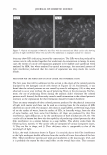
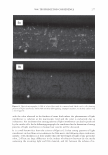
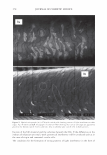
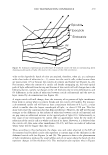
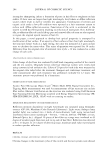
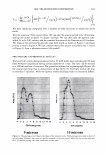
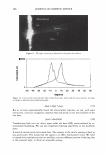
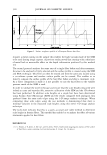
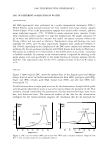
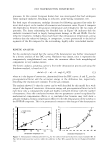
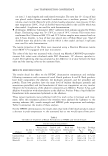
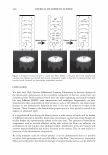
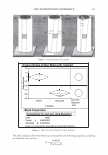
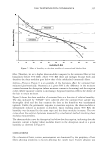
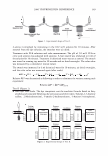
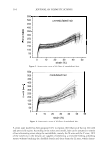
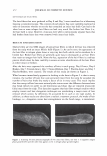
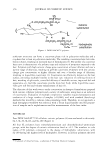
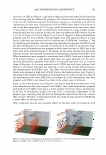
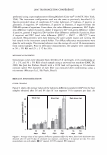
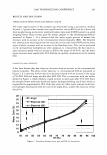
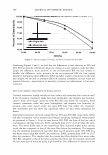
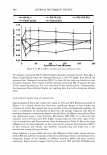
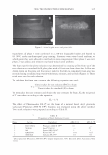
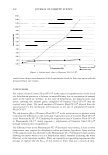
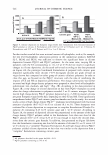
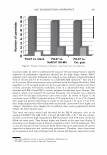
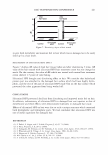
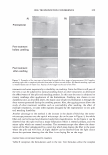
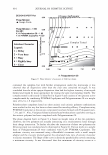
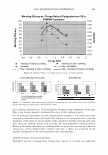
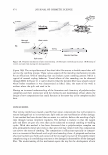
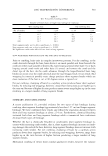
2006 TRI/PRINCETON CONFERENCE 313 DSC OF DIFFERENT a-KERA TINS IN WATER EXPERIMENT AL All DSC-experiments were performed on a power-compensated instrument (DSC-7, Perkin Elmer), using pressure-resistant (25 bar) stainless steel, large-volume capsules (Perkin Elmer). Prior to the measurement samples were stored under constant, ambient room conditions (approx. 22°C, 55%RH) to ensure invariant water contents. Under these conditions a given material (5-7 mg) was weighed into the sample container, 50 µL of water was added and the container was sealed. An empty container without the O-ring rubber seal was used as reference. Temperature range and heating rate were generally 70-180°C and 5°C/min, respectively. Analyses were conducted between 9- and 18-fold, depending on the complexity of the DSC-curve. Amino acid analyses were performed by the ion-exchange method on an LC6000 Amino Acid Analyzer (Biotronic). The amino acid referred to in what follows is the double amino acid cystine, containing a disulfide crosslink. Its contents in the various keratins is reported by referring to the mono amino acid, and specifically to the molar fraction of cysteine residues (Cys-R, [mol%}). The expectation value for the 95% confidence limits of the Cys-R values is ±5%. RESULTS Figure 2 shows typical DSC curves for mohair (hair of the Angora goat) and Merino (sheep) wool in water. As further materials rhinoceros horn (RH), porcupine quill (PQ), finger nail (FN), echidna quill (EQ), human hair (HH), and afro hair (NH) were investigated (7). Usually keratins show a single-peak structure for the denaturation, though double peaks were frequently observed for wool, as was to be expected from the literature (8,10). This tendency, though considerably less pronounced, was also observed for finger nails, horse hair, and rhinoceros horn. The statistical analysis of the data for the denaturation enthalpies for the various keratins supports the conclusion that for all materials the Mohair 1.6 Wool 2.0 (MO) To• 142 5°( (WOI 1.2 To2 = 142 5°[ :i 16 i ! AH• 19.8 J/g � ) ) � 12 � 0.8 0 ·� 0 :ha QI .. ::i:: 0.4 0.4 90 100 110 120 130 140 150 100 110 120 130 140 150 160 T@mperature I •c I Temperature(•[) Figure 2. DSC traces for mohair (MO) and merino wool (WO) under standard conditions (Adapted from Ref. 7). The relevant parameters are graphically defined.

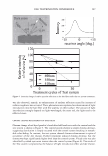
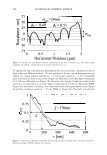
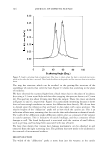
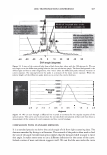
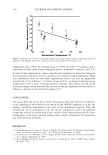
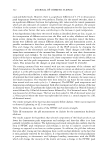
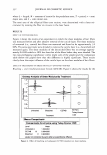
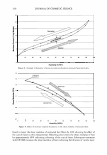
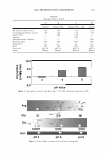
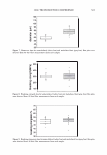
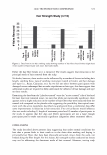
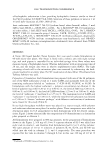
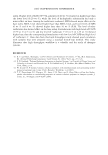
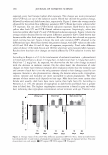
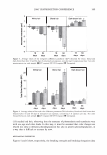
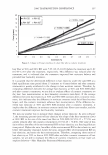
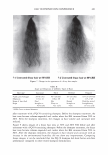
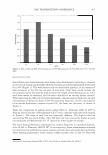
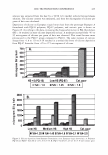
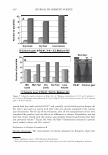
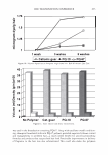
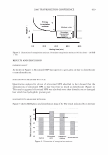
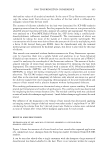
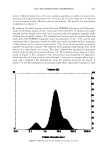
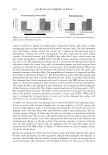
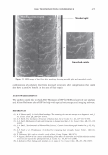
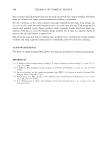
314 JOURNAL OF COSMETIC SCIENCE enthalpy is largely material invariant (7). Assigning the enthalpy exclusively to the denaturation of the helical material, leads to the conclusion that thus also the helix content for these materials is largely the same, estimated to be 25-30%, in accordance with literature data (8). In contrast, the denaturation temperature TO increases strongly with the cross-link density of the matrix, which is effected by the double amino acid cystine linking two protein chains. The results are summarized in Figure 3. Regression analysis shows that for the majority of the keratins a linear model well describes the interrelation between T O and Cys-R. The solid line in Figure 3 is based on all T 0-values, except those for rhino horn, which due to its low amount of matrix material appears to be an exception. Using a log(Cys-R)-relationship the values for RH may be readily included (7). From Figure 3 it can be concluded that, though the denaturation enthalpy and the temperature range in which the denaturation takes place are material invariant, the thermal stability of the helical structures, i.e. the denaturation temperature, is controlled by the amount and the cross-link density of the surrounding non-helical matrix material. This view is supported by investigations of the double peak structure of the DSC-curves, consistently observed namely for Merino wool. It was shown that the effect is due to the occurrence of two cell types in the fiber, ortho- and para-cortical cells, which differ significantly in the sulfur content of their IFAPs, consistent with the observed bimo- dality of the denaturation temperature (11). Increasing the heating rate, leads to an increase in T 0. The size of the effects is, however, quite different for the two cell types (12). EFFECTS OF OXIDATION AND REDUCTION Against this fundamental background, DSC was found to be especially suitable to assess various aspects of the changes filaments and matrix undergo through chemical, cosmetic 160 150 LI 140 0 ::, 130 - E 120 � 110 100 HH � MO WO �NH PC 8 i� l�o I ---------- FN o Ea RH 0 0 T0 vs. Cys-R sl o:: 1.45 0 ic" 121..5 8 r2:: 0.72 n " 56 6 8 10 12 14 16 Cys-R, [mol¾l 18 Figure 3. Denaturation temperature TD for single peak endotherms against Cys-R content. The solid line describes the linear regression through all data, except for rhinoceros horn (RH). The parameters for the linear regression are given (Adapted from Ref. 7).
Purchased for the exclusive use of nofirst nolast (unknown)
From: SCC Media Library & Resource Center (library.scconline.org)