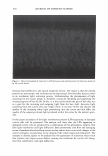
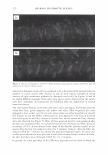
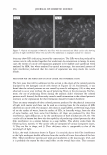
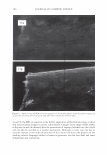
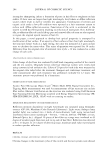
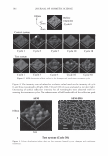
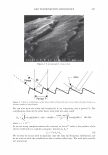
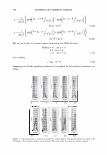
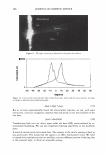
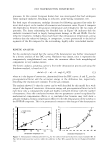
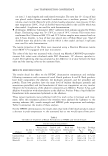
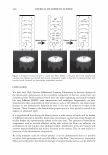
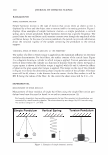
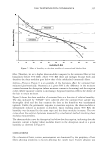
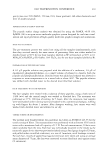
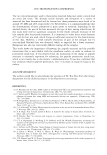
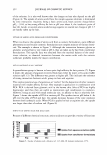
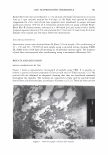
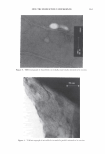
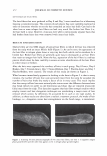
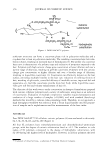
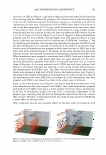
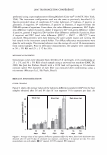
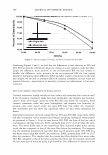
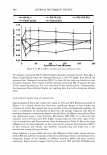
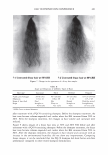
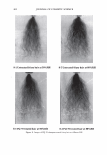
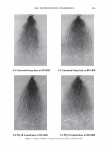
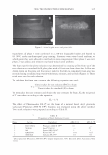
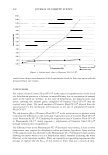
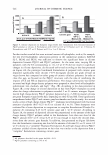
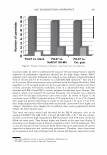
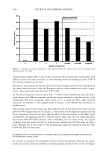
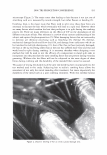
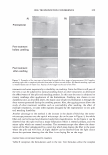
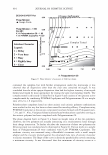
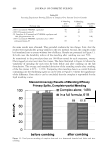
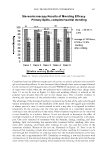
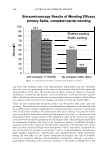
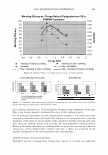
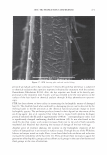
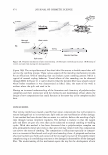
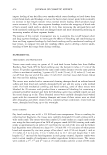
2006 TRI/PRINCETON CONFERENCE 361 flasks filled with resin and ethanol (1: 1, v/v) solution, (b) flasks were placed in an acrylic rotor at 3 rpm constant rotation for 4-8 days, (c) the flasks were opened for ethanol evaporation for 24 h, and (d) the hair segments were transferred to proper inclusion molds and cured at 70°C for 24 h. Ultra-thin sections were cut using a Sorvall Porter- Blum Mt2-B ultramicrorome, mounted in a 200 mesh grid and stained with a freshly prepared aqueous solution of 2% uranyl acetate for 1 S min and 1 % lead citrate for 8 min. Samples were stained just few hours before the observations. MECHANICAL PROPERTIES Stress/strain curves were obtained from 40 fibers (5 .0 cm length 24 h conditioning at 25 ± 2°C and SO ± 5% RH) of each sample using a universal testing machine (EMIC DL 2000) with a 10 N load cell operating at 10 mm/min constant speed. The diameter of each fiber was measured after conditioning using a micrometer (Mitutoyo Ltd.). RESULTS AND DISCUSSION MEDULLA MORPHOLOGY BY TEM Figure 1 shows a representative micrograph of medulla using TEM. It is possible to observe a porous structure composed of cortical cells and air filled vacuoles. (21) The cortical cells are deformed or elongated, showing that they are distributed randomly throughout the medulla. The vacuoles are connected to these cells by peptide bonds derived from citrulline residues, according to Clement et al. (22). There are some cavities Fi g ure 1. TEM micrograph of human hair medulla.

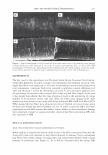
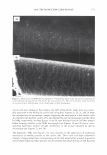
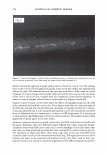
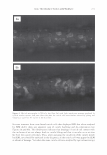
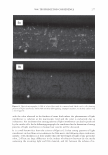
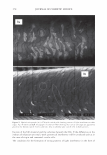
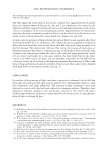
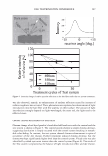
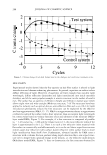
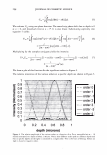
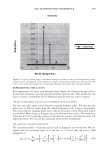
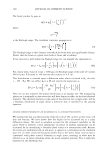
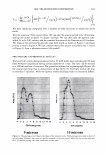
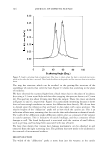
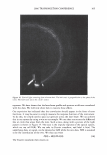
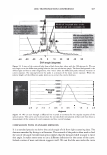
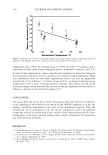
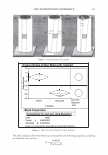
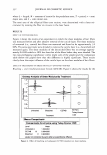
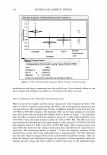
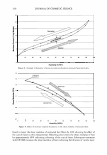
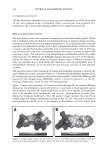
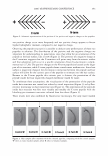
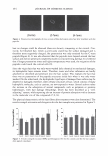
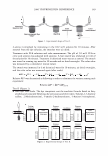
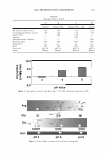
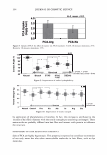
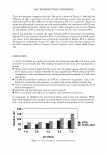
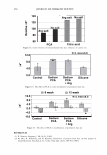
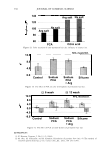
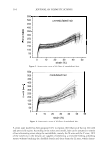
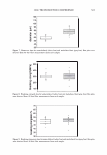
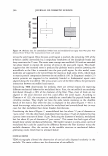
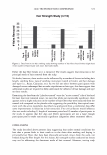
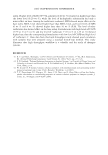
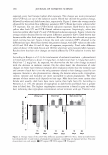
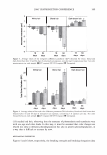
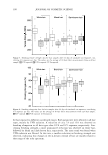
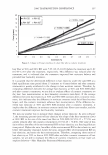
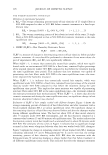
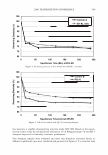
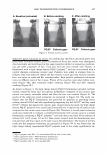
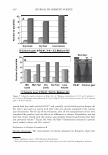
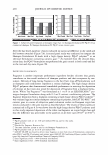
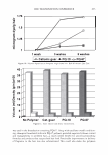
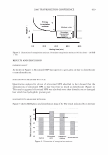
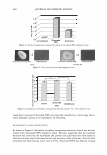
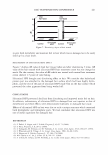
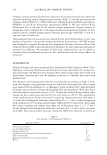
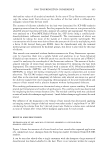
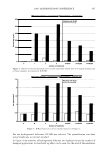
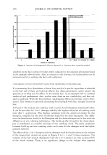
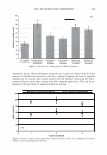
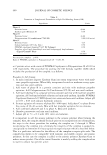
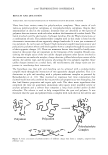
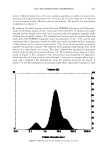
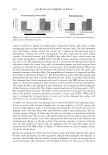
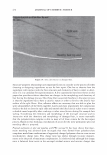
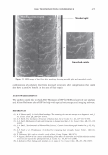
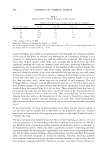
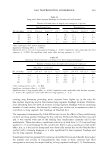
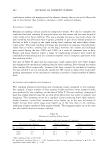
362 JOURNAL OF COSMETIC SCIENCE measuring about (2.8 x 2) µm and a few melanin granules. Also, holes made by the electron beam in the resin film show that these cavities belong to the structure of the medulla and are not artifacts by themselves. Some authors say that the medulla is in fact composed only of the vacuoles. However, as we observed vacuoles mixed with fibril structures (cortical cells) in all the samples, we consider that all of them are part of the structure of the medulla. Another interesting morphological aspect is the interface between cortex and medulla, shown in Figure 2. The interface is limited by a layer of CMC and empty spaces. The cortical cells become sparse and deformed. Figure 3 shows the microfibril pattern in the medulla/cortex interface (23). This micrograph shows the crystalline character of some cell material in the medulla. Figure 4 shows some microfibrils oriented parallel to the sectioned area, which indicates that cortical cells are randomly distributed. MECHANICAL PROPER TIES Typical stress-strain curves of unmedullated or medullated fibers are shown in Figure 5 and 6, respectively. The three main regions of a typical stress-strain curve of human hair, namely the elastic, yield and post-yield regions, are clearly identified. The initial elastic region extends roughly up to 2.5-4% strain. Here the load is taken by the hydrogen bonds establishing the alpha-helical microfibrils along with the matrix. As the hair is stretched to the yield region, the a-helices gradually transform into �-sheets and hair is no longer perfectly elastic (the transformation is complete at about 30% strain and the sheet structure itself exhibits some elasticity). The final phase of the stress-strain curve is the post-yield region where extended microfibrils take the entire load imposed on the hair before leading to complete fracture (24). This is the reason for the slope of the post-yield region being higher than the yield region. Figure 2. TEM micrograph cortex (C)/ medulla (M) interface.
Purchased for the exclusive use of nofirst nolast (unknown)
From: SCC Media Library & Resource Center (library.scconline.org)