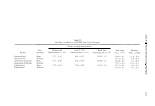
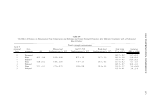
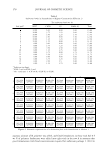
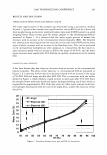
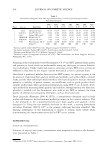
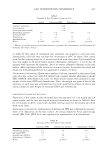
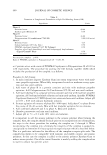
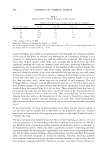
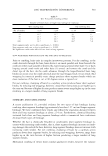
2006 TRI/PRINCETON CONFERENCE 379 % SLES and 5.0 wt % CAPB see Table I). Similarly, surfactants were added into vials in the rows B through H in amounts that gave formulations with final concentrations required for surfactant packages 2 through 8. Water was added in amounts required to bring the total formulation amount to 800 mg. The same procedure was used to prepare a second destination plate with another set of 64 formulations at dilution 1. In that case the same polymers in the same amounts were used as in the first plate, but surfactants were added in amounts that gave formulations with final concentrations required for surfactant packages 9 through 16. Therefore, one set of two plates with all sixteen surfactant packages contains 128 formulations at dilution 1. Two SLES surfactants (SLES-2 mol and SLES-3 mol) were evaluated in this study, and with each of them three sets of surfactant packages were prepared with three different "surfactants 3" (CN-30-SF, 662N-Sf, or 662N). This increased the number of plates by a factor of six. In order to generate coacervation curves, formulations were prepared over a broad range of dilution levels. There are two different approaches to the preparation of diluted formulations for coacervation study. In a standard, "bench-top" approach, a set of for- mulations at the highest concentration of components (dilution 1) is prepared first. Those formulations are then diluted by mixing with water at different ratios. However, in our study the viscosity of formulations at dilution 1 was too high for the desired precision in automated transfer of aliquots into another set of vials (where water would be added). Therefore, an alternative approach was used where each formulation was independently prepared by mixing polymer solutions, surfactant solutions, and water at reduced levels relative to dilution 1. For example, in preparation of formulations at dilution 2 concentrations of a polymer and surfactants were reduced to one-half relative to their concentration at dilution 1. Those formulations were prepared by adding poly- mer and surfactants in amounts that were 50% of their amounts in dilution 1, and the amount of added water was increased to keep the total amount of formulations at 800 mg level. The same approach was used to prepare formulations at six additional dilu- tions: 4, 6, 8, 10, 13, and 20 (Table II). Preparation of formulations at those eight dilutions increased the number of plates by factor of eight. Therefore, the number of formulations is 128 (in one set of two plates) x 6 (a factor for different SLES and "surfactant 3" types) x 8 (for eight dilutions) = 6,144. All formulations were prepared in duplicates, increasing the number of formu- Table II Composition of Formulations at Different Dilutions (P+S)/Add water P+Sa Dilution ratio a (wt%) 1/0 100.0 2 1/1 50.0 4 1/3 25.0 6 1/5 16.7 8 1/7 12.5 10 1/9 10.0 13 1/12 7.7 20 1/19 5.0 a P+S = The amount of polymer and surfactants relative to the level at dilution 1. 6 Add water = The amount of additional water above the level at dilution 1. Add water6 (wt%) 0.0 50.0 75.0 83.3 87.5 90.0 92.3 95.0

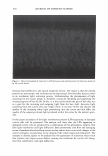
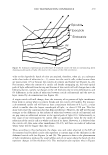
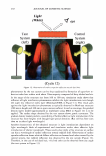
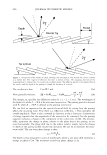
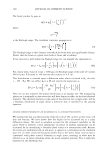
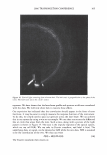
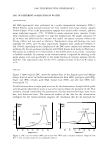
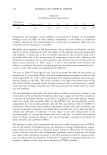
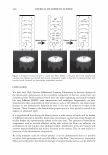
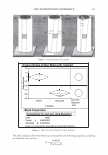
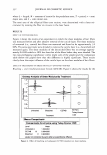
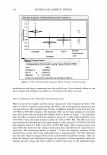
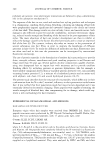
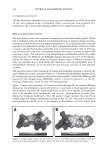
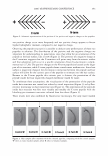
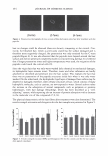
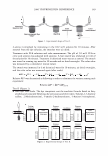
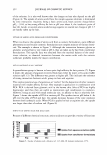
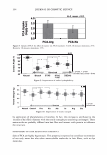
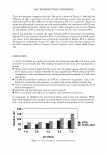
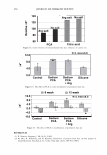
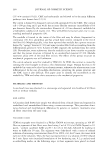
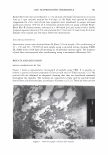
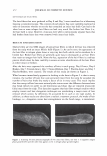
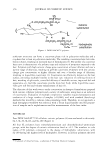
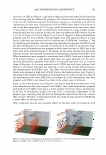
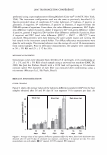
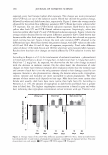
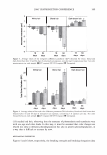
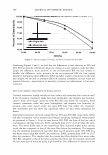
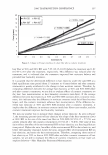
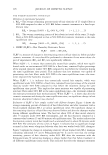
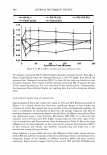
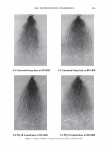
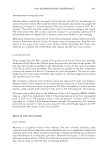
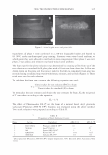
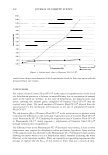
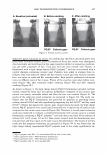
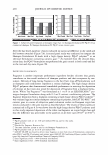
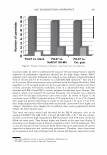
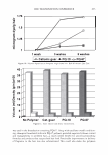
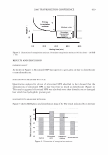
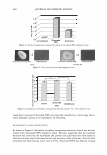
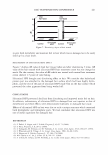
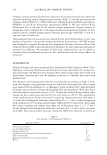
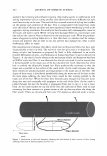
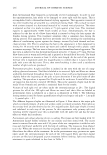
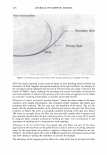
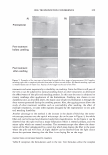
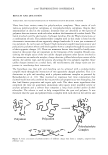
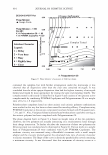
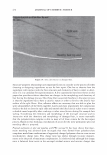
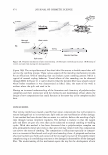
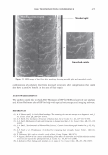
380 JOURNAL OF COSMETIC SCIENCE lations to 12,286. In case of surfactant packages that did not contain "surfactant 3" the number of formulations was reduced, bur the total number of prepared formulations was still well above 10,000. Small aliquots (0.150-ml) of formulations were transferred to a shallow-well micro-titer plate and their haze values were measured with the Nepheloskan. All formulations prepared at dilution 1 were visually clear, and their haze values were below 2 RNU (relative nepheloskan units) which is the detectability limit for this method. Formula- tions that were prepared at higher dilutions showed haze over a broad range of RNU values, depending on several composition variables. Besides nephelometry measure- ments, each formulation was also visually inspected in order to assure that gel or precipitate was not present. Two haze measurements were taken for each formulation, and the lower value was used. Each formulation was prepared in duplicate, and the haze was calculated as an average of two lower haze values for duplicate formulations. DATA VISUALIZATION In order to study the effect of individual variables, all formulations were organized in a three-dimensional framework, and their haze level was color-coded (Figure 3). The polymer type, as well as the type and level of SLES, are indicated along the X-axis, while the type and level of "surfactant 3" are indicated along the Y-axis. Formulations prepared with SLES-2 mol are shown on the left half of the XY plane (light gray), while formulations prepared with SLES-3 mol are shown on the right half (dark gray). Each half is divided into three sections showing data for formulations with 6 wt %, 8 wt %, Figure 3. Data hierarchy for 3D presentation of haze values. JD 15 1D - D
Purchased for the exclusive use of nofirst nolast (unknown)
From: SCC Media Library & Resource Center (library.scconline.org)