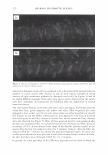
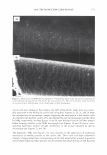
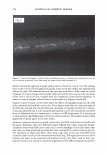
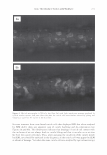
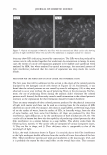
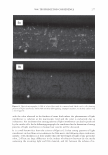
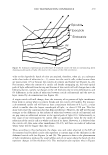
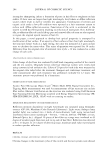
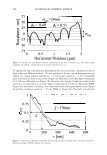
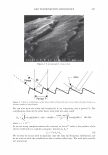
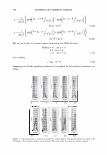
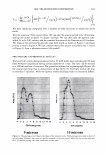
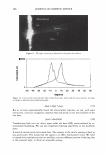
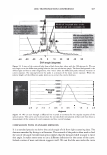
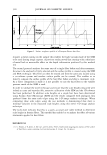
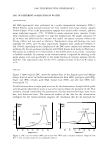
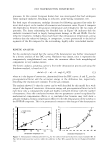
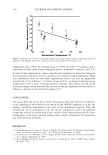
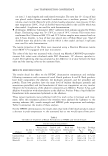
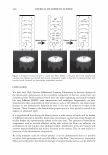
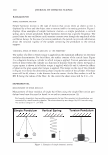
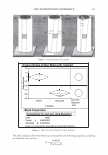
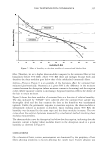
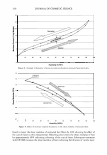
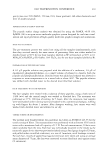
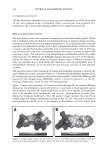
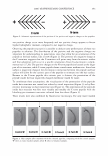
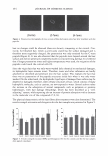
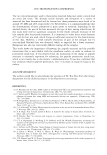
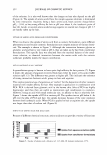
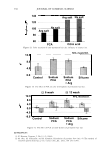
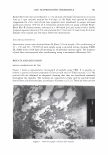
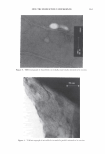
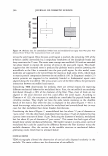
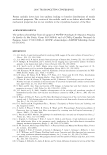
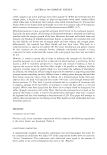
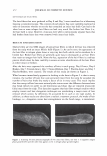
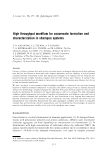
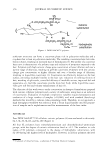
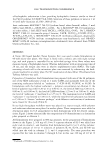
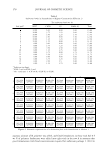
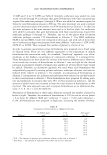
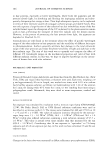
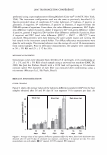
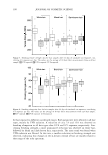
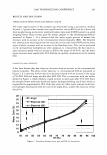
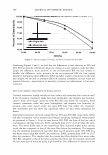
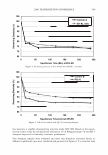
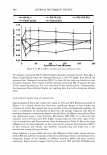
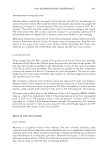
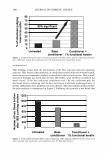
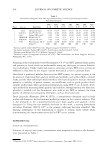
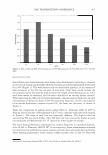
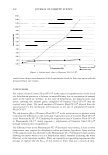
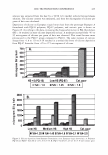
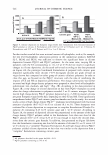
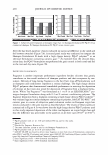
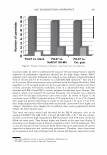
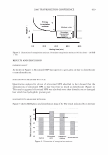
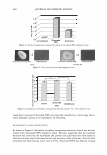
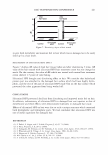
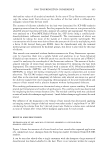
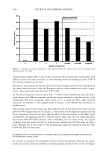
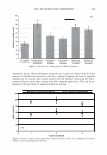
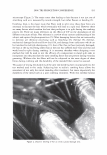
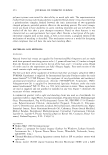
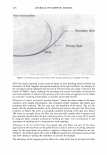
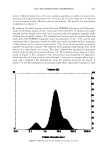
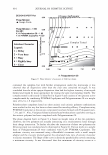
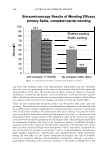
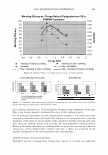
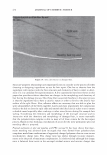
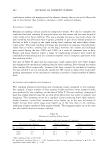
2006 TRI/PRINCETON CONFERENCE 395 RES UL TS AND DISCUSSION CORRELATION BETWEEN WATER GAIN PERCENT AND RH The water regain percent in hair samples was determined using a gravimetric method. Around 1.5 grams of hair sample were equilibrated at various RH levels for 8 hours and then weighed using an electronic analytical balance (precision 0.00001 gram) in a sealed weighing bottle. Plots of water gain (%) of hair samples vs. the environmental RH are presented in Figure 1. It is observed that the water regain percent of human hair increases with an increase in the environmental relative humidity (RH). The bleached hair showed more water regain than the virgin hair at the same level of RH and the water regain slightly increases with an increase in the bleaching time. This can be attributed to the increased hair hydrophilicity after oxidation. It is found that the hair water re- gain increases linearly with an increase in RH in the range of 40-85%, and the water regain increases more rapidly after 85% RH due to capillary condensation in the swollen fiber. CHANGE IN HAIR ELASTICITY It has been known that hair elasticity decreases with an increase in the environmental relative humidity. The plots of hair elasticity vs. environmental RH are presented in Figure 2. It is seen that the hair elasticity decreases linearly with an increase in the range of 50-80% RH and drops quickly after 80% RH. This is consistent with the results showed in Figure 1, which exhibits a rapid increase in water gain after 85% RH. Since the absorbed water molecules break and replace hydrogen bonding inside hair, which is responsible for approximately 50% of the hair elasticity. More water content inside hair, less hydrogen bonding between the coils of the alpha helix, smaller the elasticity of hair should be. 28 26 24 - 22 � C 20 ca 18 (!) ... a., 16 ca 14 12 10 8 40 -+-Virgin ......,_ Bleached (30') _._ Bleached (60') 45 50 55 60 65 70 75 RH(%) ------- 't --------�------ 80 85 90 95 100 Figure 1. Correlation between water gain and RH for human hair.

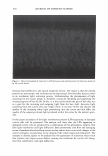
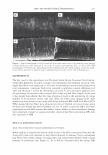
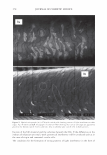
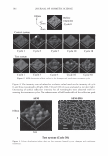
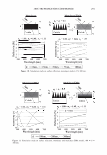
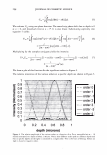
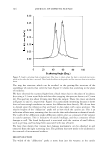
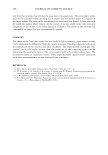
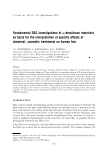
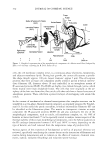
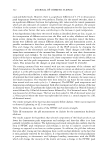
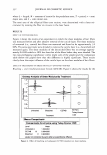
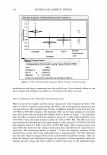
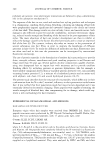
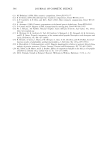
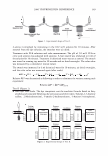
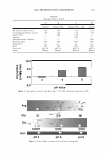
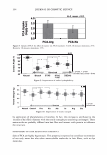
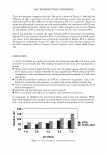
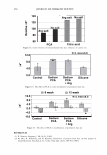
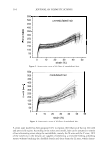
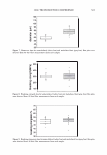
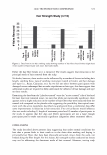
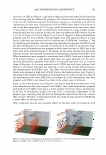
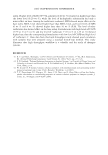
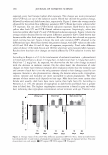
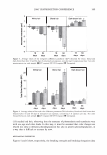
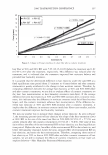
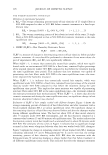
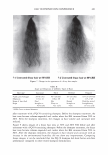
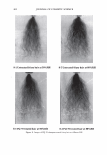
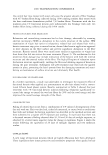
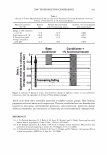
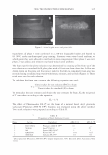
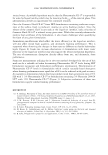
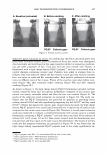
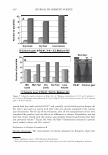
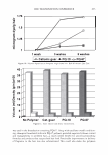
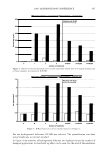
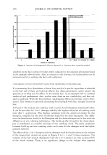
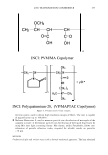
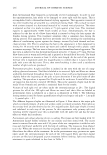
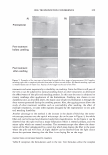
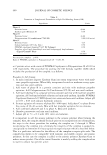
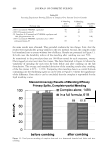
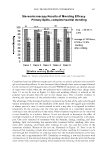
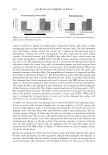
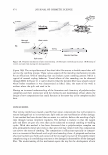
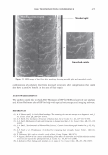
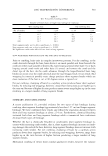
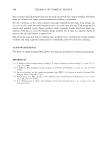
396 JOURNAL OF COSMETIC SCIENCE 100.00 � 90.00 ·u 80.00 70.00 w - 60.00 a, -.-virgin Hair 50.00 a, -II-Bleached Hair 40.00 50.00 60.00 70.00 80.00 90.00 100.00 RH(%) Figure 2. Percent changes in Young's modulus of human hair with RH. Combining Figures 1 and 2, we find that the differences in hair elasticity at 50% and 80% RH can provide information about the change in water contents inside hair fiber. Larger the difference, more sensitive to the environmental RH the hair sample is. Smaller the difference, more resistant to the environmental RH the hair sample should be. Comparing these differences before and after cosmetic treatments on the same hair sample, we are able to evaluate effects of cosmetic treatments on hair water ad- sorption behavior-improvement in humidity resistance or enhancement in hair mois- turization. EFFECTS OF COSMETIC TREATMENTS ON HAIR ELASTICITY Cosmetic treatments usually modify the hair surface and sometimes hair cortex as well. A lot of cosmetic treatments make hair more hydrophilic and improve hair moisturi- zation-more water regain under the same RH than that before the treatment. Some cosmetic treatments make hair more hydrophobic and improve hair humidity re- sistance-less water regain under the same RH than that before the treatment. Few treatments may not show any significant effects on hair water adsorption be- havior. Typical force-extension curves of a single fiber at 50% and 80% RH, respectively, before and after a treatment with a personal care formula containing hydrolyzed wheat protein are presented in Figure 3. It can be seen that at 50% RH, the slope of the line, which corresponds to the hair elasticity, E(50), decreased from 18.35 to 16.49 after the treat- ment. The lower E(50) value of the treated hair fiber indicated higher water content inside the hair compared to that of the same fiber before the treatment. This suggests that the treatment protected the hair fiber from loss of moisture under 50% RH. It is also found that at high RH of 80%, hair elasticity, E(S0) increased from 10.05 to 12.87 after the treatment. This implied that the treated hair fiber absorbed less water under 80% RH compared to that of the same untreated hair fiber, and the treatment protected the hair from gain of moisture under high humidity. The differences in elasticity of the
Purchased for the exclusive use of nofirst nolast (unknown)
From: SCC Media Library & Resource Center (library.scconline.org)