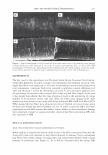
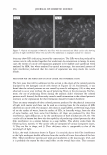
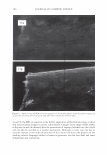
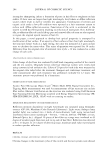
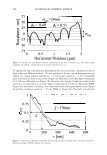
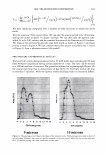
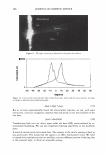
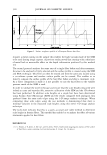
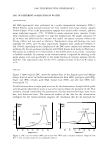
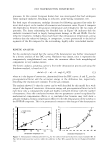
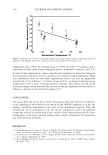
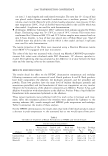
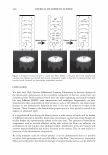
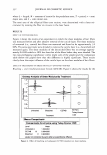
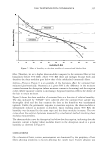
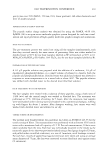
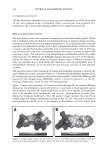
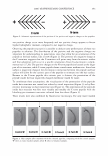
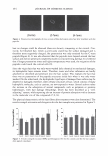
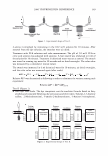
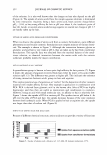
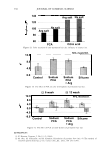
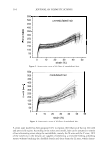
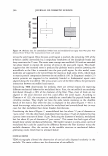
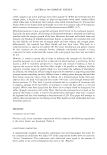
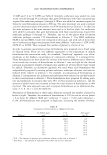
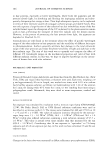
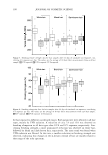
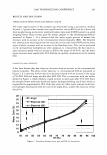
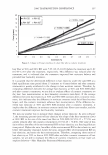
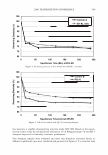
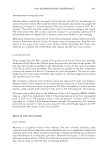
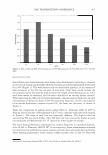
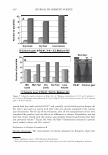
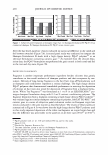
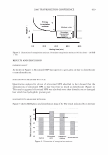
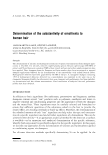
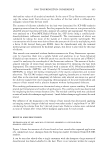
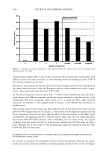
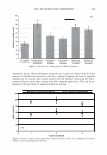
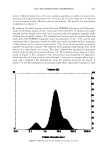
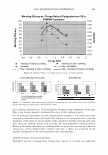
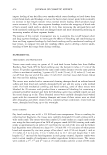
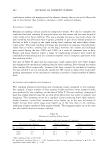
20 18 16 14 iii 12 � 10 8 6 4 2 0 0 2006 TRI/PRINCETON CONFERENCE • RH 50 RH 80 A RH 50T , RH 80T 0.1 0.2 0.3 0.4 0.5 0.6 0.7 Extension (%) 397 !Y = 10.047x + 0.3811 [ 0.8 0.9 Figure 3. Change in Young's modulus of a hair fiber after a cosmetic treatment. hair fiber at 50% and 80% RH were 7.85 (18.35-10.05) before the treatment and 3.62 (16.49-12.87) after the treatment, respectively. This difference was reduced after the treatment, and it indicated that the treatment improved hair moisture balance and provided hair humidity resistance. It is assumed that the determined difference in hair elasticity under the same RH at a fixed equilibrium time period (from 15 minutes to 4 hours) before and after cosmetic treatments is mainly attributed to the change in hair moisture content. Therefore, by comparing differences between the average hair elasticity at 50% and 80% RH before and after cosmetic treatments, we are able to evaluate effects of cosmetic treatments on the hair: hair moisturization or hair humidity resistance (anti-frizz). If the average difference between hair elasticity at 50% and 80% RH increases after a cosmetic treat- ment, this indicates that the difference in moisture contents inside hair fibers becomes larger, and the cosmetic treatment enhances hair moisturization. If the difference be- tween hair elasticity at 50% and 80% RH decreases after a cosmetic treatment, it implies that the difference in moisture contents inside hair fibers turns smaller, and the cosmetic treatment improves hair humidity resistance. We may use another way to measure these changes in hair elasticity. As seen in Figure 3, the remaining percent (ratio) of hair elasticity (the slope of the force-extension curve) at 80% RH to the one of the same hair fiber at 50% RH (10.5/18.35 = 57.2%) was greatly reduced after the cosmetic treatment (12.87/16.49 = 78.0%). The value of this ratio reflects the effect of the environmental RH on hair elasticity at a fixed equilibrium time period. Higher the ratio, less effect of the environmental RH on hair elasticity, and better the humidity resistance. Lower the ratio, stronger effect of environmental RH on hair elasticity, and easier the hair moisturization. Therefore, comparing these ratios of hair elasticity at 50% to that at 80% RH before and after cosmetic treatments of hair samples, we are able to evaluate the effects of cosmetic treatments on hair water ad- sorption behavior-Hair Humidity Resistance/Moisturization

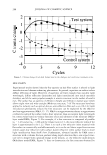
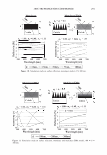
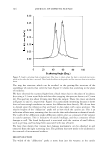
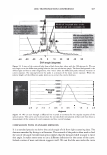
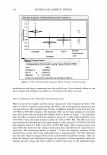
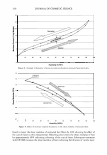
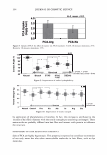
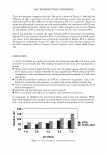
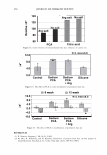
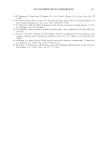
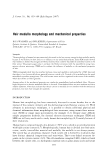
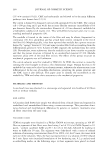
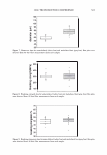
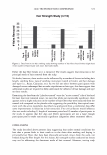
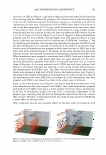
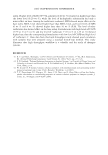
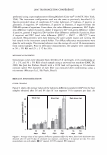
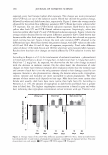
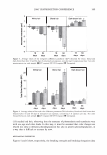
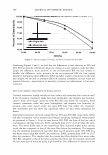
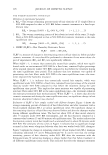
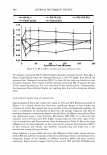
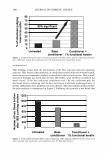
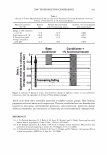
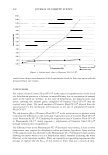
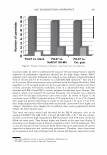
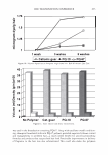
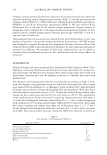
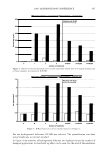
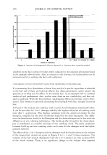
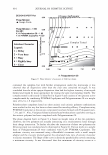
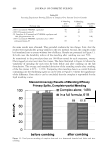
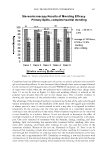
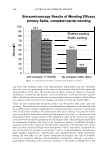
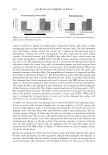
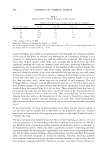
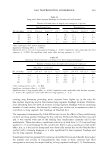
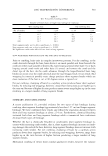
398 JOURNAL OF COSMETIC SCIENCE HAIR HUMIDITY RESISTANCE FACTOR (H2RF) Definition of experimental parameters 1. RE0-The average remaining percent (ratio) of hair elasticity of 25 single fibers at 80% RH compared to that at 50% RH before cosmetic treatment at a fixed equi- librium time: RE 0 = Average [100% x E 0i (80)/ E0 i (50)} i = 1, 2, 3 ... 25 2. RE1-The average remaining percent of hair elasticity (ratio) of the same 25 single fibers at 80% RH compared to that at 50% RH after cosmetic treatment at the same equilibrium time RE 1 = Average [100% x E1 i (80)/E 1 i (50)} 3. HHRF (H 2 RF)-Hair Humidity Resistance Factor H2RF = 100% X RE 1 /RE 0 i = 1, 2, 3 ... 25 H 2 RF is a measure of changes in the remaining percent of hair elasticity before and after cosmetic treatment. A t-test should be performed to determine if two mean values of a pair of experiments (RE 0 and RE 1 ) are significantly different. When H2RF 1, it means that cosmetically treated hair samples, which were equili- brated under an environmental 80% RH for a fixed time, remained higher percentage of the original elasticity (under 50% RH) compared to that before the treatment during the same equilibrium time period. This indicates that less moisture was capable of penetrating into hair fibers under 80% RH in the same equilibrium time-the treat- ment improved the humidity resistance. When H2RF 1, it indicates that cosmetically treated hair samples, which were equilibrated under 80% RH for a fixed time, remained lower percentage of the original elasticity (under 50% RH) compared to that before the treatment during the same equilibrium time period. This implies that more moisture was capable of penetrating into hair fibers under 80% RH in the same equilibrium time-the treatment enhanced the moisture penetration (hair moisturization). When H2RF - 1, it shows that after the cosmetic treatment and during the same equilibrium time, no significant change in hair moisture adsorption behavior was observed. Evaluation of H 2 RF of hair samples washed with different shampoos. Figure 4 shows the average remaining percent of elasticity of hair fibers before and after treatment with a Croda standard shampoo SH-1 at various equilibrium times. No significant change in the remaining elasticity of hair fibers was observed before and after the shampoo washes during different equilibrium times. The hair lost about 20% of their initial elasticity after 15 minutes under 80% RH environment, and the hair elasticity remained at a constant value between 15 and 60 minutes of equilibrium time. The results indicate that the moisture content inside hair might reach a saturated level in about 60 minutes under 80% RH. The similarity of two curves in Figure 1 indicates that no significant change occurred in hair water adsorption behavior after hair was washed with SH-1 shampoo. Figure 5 explains the_ change in remaining elasticity of hair washed with SH-1 shampoo containing additional 1 % active Polyquaternium-70. It can be seen that the average remaining percent of hair elasticity under 80% RH after the treatment with the Polyquaternium-70 containing shampoo is always higher than that before treatment in all different equilibrium time periods. This indicates that after the shampoo treatment
Purchased for the exclusive use of nofirst nolast (unknown)
From: SCC Media Library & Resource Center (library.scconline.org)