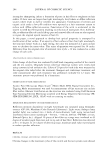
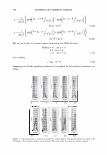
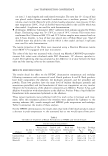
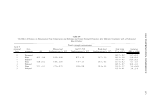
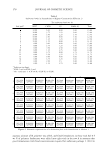
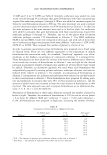
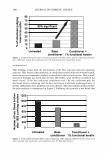
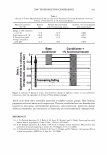
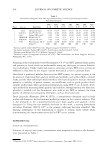
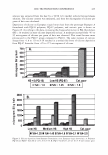
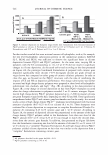
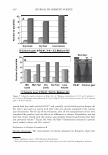
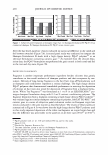
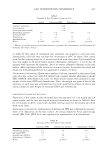
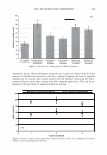
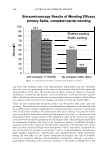
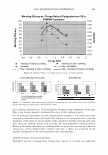
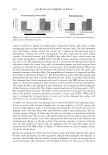
414 JOURNAL OF COSMETIC SCIENCE Table I Formulations Prepared with Varying Concentrations (% w/w) of Corn Syrup for Foam Rate Determination ARL- ARL- ARL- ARL- ARL- Phase Lot no. Ingredient 8-lA 8-lB 8-lC 8-lD 8-lE NIA Deionized water 69.55 64.55 59.55 54.55 49.55 7040463 Steol® CS-1301 20.00 20.00 20.00 20.00 20.00 0506 Farmal HFS 26562 0.00 5.00 10.00 15.00 20.00 5JK8665K Keltrol CG-T3 0.15 0.15 0.15 0.15 0.15 10803040 Gelcarin PC3 794 0.30 0.30 0.30 0.30 0.30 2 0540 Phoenomulse CE-15 10.00 10.00 10.00 10.00 10.00 Total % 100 100 100 100 100 1 Sodium laureth sulfate (Steol® CS-130), Stepan Company Northfield IL 60093. 2 Saccharide hydosalte (Farmal HFS 2656®), CornProducts, Bedford Park IL, 60501. 3 Xanthan gum (Keltrol CG-T®), CP Kelco Chicago IL, 60606. ARL- 8-lF 39.55 20.00 30.00 0.15 0.30 10.00 100 ARL- 8-lG 29.55 20.00 40.00 0.15 0.30 10.00 100 4 Chondrus crispus (Carrageenan) (Gelcarin PC379®), FMC BioPolymer via Earth Supplied Products, Philadelphia PA, 19103. Foaming products formulated with Phoenomulse CE-1 ® and FBT generate foam quality and quantity at levels which are unobtainable using any other past or current formula- tion technologies. Unlike traditional, passive, cleansing systems, FBT active systems are different in that they do not require outside mechanical action to generate foam. Once foam is produced, whether from an active FBT system, or a passive system, it can be analyzed. Traditional foam analysis models and methods, such as Ross Miles, cylinder shake, and the Hart-deGeorge blender method, which are designed to measure the foam quantity or stability of passive systems, are insufficient tools to guide product devel- opment professionals when optimizing formulations using FBT (2-4). A newly devel- oped method for measuring foam quantity and stability, through analysis of a foam rate, provides a valuable tool for formulators who wish to use FBT to enhance the foam quality of otherwise poor-foaming detergents, such as decyl glucoside. Decyl glucoside (Planteran 2000 N UP®:j:), a natural-based detergent used in body washes and shampoos, has had minimal marketing impact in the cosmetic industry. This is due primarily to the consumer-perceived poor foam quality and quantity of this detergent (5 ). Using the test methods disclosed in this work, a starting formulation including Planteran 2000 N UP® as the primary surfactant has been identified. The foaming performance of this formulation is similar to sodium lauryl sulfate (SLS), demonstrating the improvement provided by FBT active systems. EXPERIMENT AL FOAM RATE DETERMINATION Solutions of varying corn syrup concentration were prepared according to the formula- tions presented in Table I. :j: Planteran 2000 N UP® (decyl glucoside), Cognis Corporation, Cincinnati, OH, 45232.

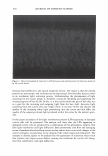
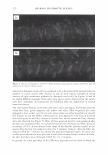
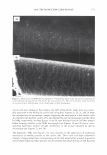
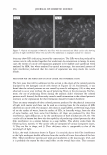
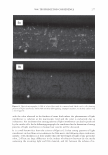
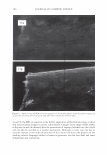
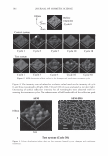
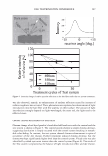
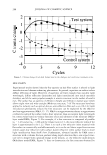
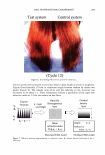
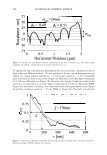
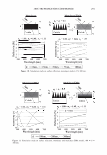
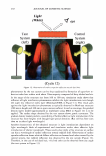
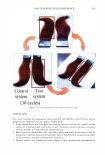
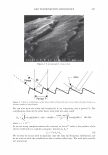
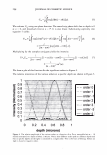
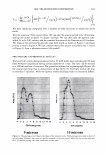
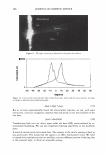
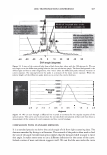
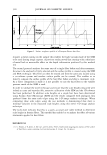
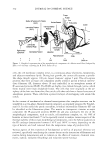
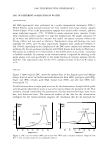
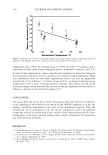
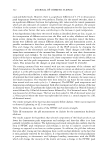
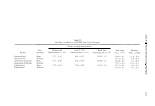
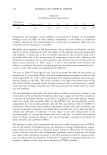
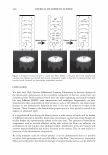
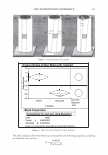
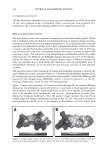
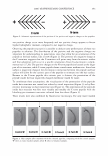
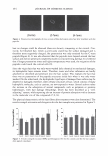
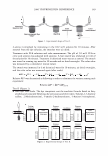
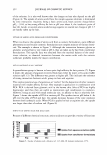
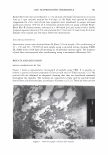
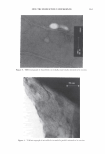
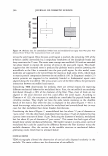
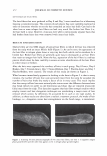
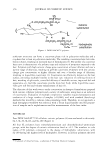
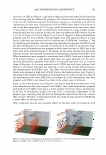
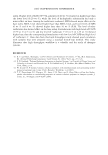
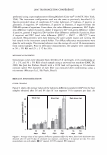
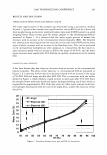
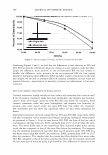
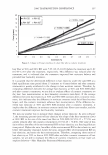
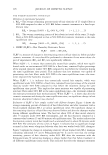
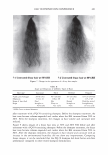
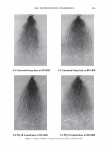
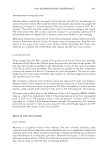
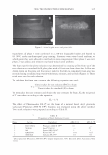
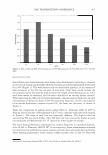
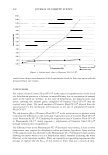
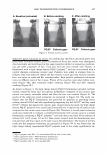
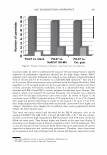
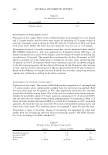
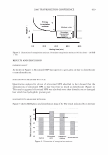
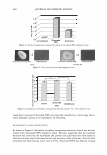
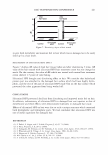
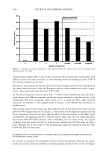
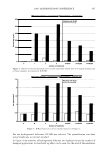
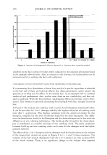
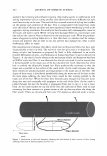
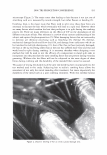
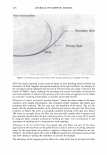
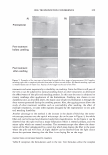
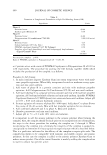
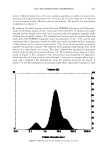
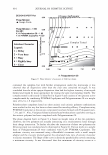
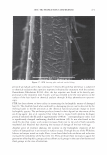
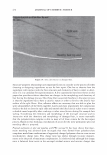
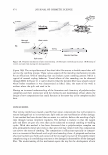
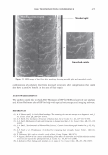
2006 TRI/PRINCETON CONFERENCE 415 Figure 1. Initial (right) versus end point (left). Ingredients of phase 1 were combined in a 250-ml disposable beaker and heated to 85-90°C under medium-speed prop mixing. Contents were mixed until uniform, at which point they were allowed to cool back to room temperature. Once phase 1 was cool, phase 2 was added, and solution was hand-mixed until uniform. The foam rate for the above solutions was determined by creating a film from lg of the test solution on a standard 8xl0 glass plate with a 10-micron draw-down bar. A film was drawn down on the plate and the time it took for the film to completely foam over was recorded using a standard stop watch with hours, minutes, and seconds (Figure 1). Three trials were run for each solution. To calculate the foam rate constant the following equation was used: Time it takes for test T= - - - - -------foamto(B-G)-solution Time it takes for standard (A) to foam To normalize the rate constant and obtain the rate constant for foam, Kr the reciprocal of T was taken according to the equation: Kr = 1/T The effect of Phoenomulse CE-1 ® on the foam of a natural based decyl glucoside surfactant (Planteran 2000 N UP®, Cognis), was evaluated using the above method. Two stock solutions were prepared according to Table II. Table II Preparation of Stock Solutions(% w/w) Phase Lot no. Ingredient ARL-8-7A ARL-8-7B U6B 13Z026 Plantaren 2000 N UP® 1 10 7040463 Steol® CS-130 20 506 Farmal HFS 2656® 5 5 5JK8665K Keltrol CG-T® 0.15 0.15 10803040 Gelcarin PC3 79® 0.3 0.3 1 Decyl glucoside (Plantaren 2000 N UP®), Cognis Corporation, '5051 Estecreek Drive, Cincinnati, OH, 45232.
Purchased for the exclusive use of nofirst nolast (unknown)
From: SCC Media Library & Resource Center (library.scconline.org)