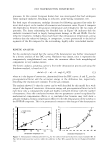
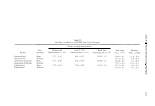
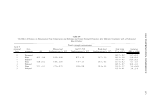
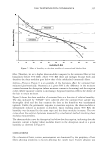
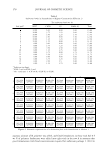
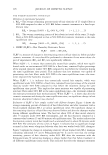
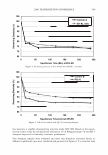
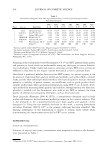
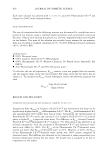
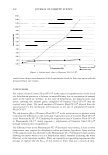
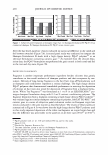
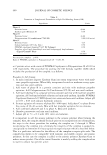
416 JOURNAL OF COSMETIC SCIENCE Each stock solution was diluted with 1, 5, 10, 15, and 20% Phoenomulse CE-1 ® and adjusted to 100% with deionized water. RATE OF EVAPORATION The rate of evaporation for the following systems was determined by weight loss over a period of ten minutes using a standard analytical balance and conventional convection lab oven. 100g of each solution was placed in a 250-mL disposable beaker and weighed on the balance. The mass of the solution was recorded every minute for ten minutes. Data was recorded at standard conditions (25°C, 50-60% RH) and elevated conditions (40°C, 50-60% RH). SYSTEMS TESTED • 100% Deionized water • 100% Cosmetic fluid CF-61 ® (3M Company) • 100% Phoenomulse CE-1 ® (Phoenix Chemical, 60 Fourth Street Somerville NJ, 08876) • 20% Phoenomulse CE-1 ® and 80% Deionized water To calculate the rate of evaporation, Kevap' mass vs. time was graphed for each system, and the negative slope of the line was recorded. The slope of the line for water was set equal to 1. To calculate the Kevap of each subsequent system the following equation was used. slope of test system KCV'lP = l f · s ope o water RES UL TS AND DISCUSSION STABILIZATION AND RELEASE MECHANISM OF COSMETIC FLUID CF-61 ® Evaporation Rate ( Kevap ) of Cosmetic Fluid CF-61 ® was determined and found to be significantly higher than Kevap of Phoenomulse CE-1 ®. The Kcvap for Phoenomulse CE-1 was approximately 60% higher than that of water. Considering the external phase of Phoenomulse CE-1 ® is water, and contains 52.5% Cosmetic Fluid CF-61 ® in its internal phase, a higher Kevap is expected verses water. The difference in Kevap between Cosmetic Fluid CF-61 ® and Phoenomulse CE-1 ® is about 175%. This trend is also observed at an elevated temperature, with the exception of Phoenomulse CE-1 ® and deionized water, which only differs by 108%. The Kevap of the Phoenomulse CE-1 ®!deionized water system was lower than Kevap of deionized water at 25°C. However, at 40 ° C, the Kcvap of the Phoenomulse CE-1 ®/deionized water system was 196% greater compared to deionized water. No bubbling was observed in the solutions at room temperature or at elevated temperature during the test phase. All weight loss is assumed to be due to evaporation at the surface.

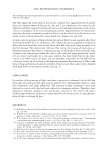
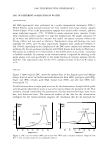
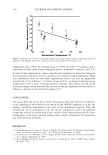
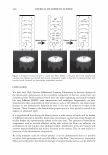
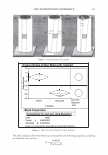
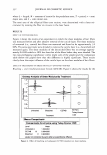
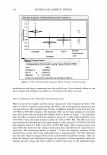
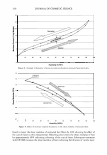
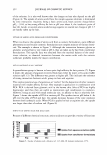
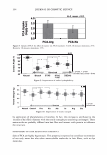
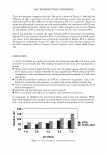
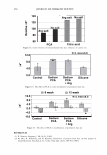
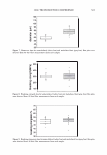
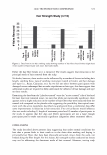
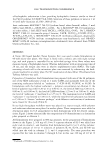
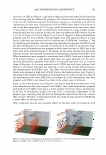
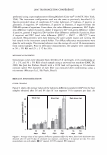
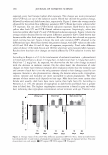
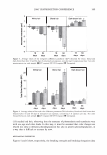
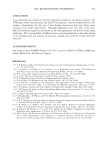
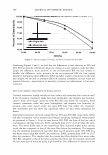
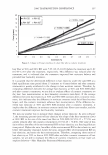
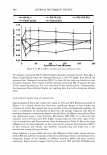
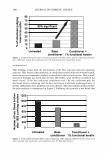
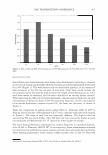
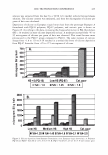
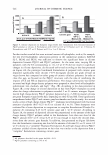
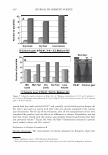
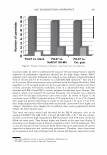
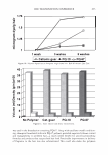
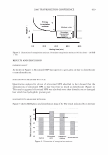
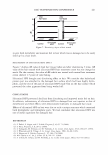
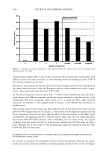
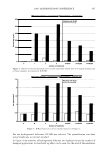
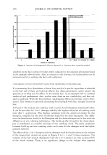
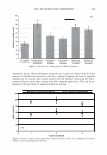
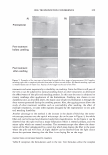
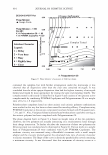
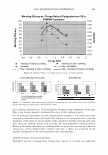
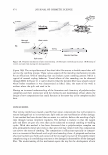
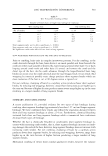
2006 TRI/PRINCETON CONFERENCE 1.40 ------------------------ --- ---- 1.20 -i---- - - - - 1 00 � 0.80 � 0.60 a: 0.40 020 0.00 0% 5% 10% 15% 20% HFCS 417 30% Figure 2. Effect of Farmal HFS 2656 on foam rate of 10% Phoenomulse CE- 1 /5% SLES (20-25°C, 50-60% RH). QUANTIFYING FOAM Initial Foam rate determinations were made using formulations containing a constant active level of sodium lauryl sulfate (SLS) and varying saccharide hydrosalate§ levels from 0 to 30% (Figure 2). This work focuses only on initial foam quantity, or the amount of foam produced in the first few minutes of activation. Total foam would include the initial quantity plus the quantity produced over the length of time foaming occurs. Since total foam cannot be measured, this has been identified as an area for further research. When observing the effects of saccharide hydrosalate concentration on foam rate, an ideal concentration is defined at about 6-8% for maximum foam rate. As the concentration of saccharide hydrosalate increases beyond 8%, the foam rate decreases, as shown in Figure 1. Foam rate comparison of sodium lauryl sulfate (SLS) vs. Planteran 2000 N UP® at Varying Concentrations of Phoenomulse CE-1 ® and a constant surfactant level resulted in Figure 3. The slope of each line was drastically different. The slope of the line representing SLS was much higher. Also, SLS foam rate was consistently higher at equal concentrations of Phoenomulse CE-1 ® , about five times higher on average. The lower foam performance, represented by a slower foam rate in equivalent formula- tions of SLS vs. Planteran 2000 N IP® is not surprising. Foam measurements acquired by traditional test methods for passive systems conclude decyl glucosides have somewhat lower foaming performance verses anionic sulfate systems such as SLS (5 ). Perceived § Saccharide hydrosalate (Farmal HFS 2656®, Corn Products, Bedford Park IL, 60501).
Purchased for the exclusive use of nofirst nolast (unknown)
From: SCC Media Library & Resource Center (library.scconline.org)