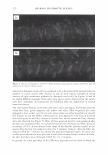
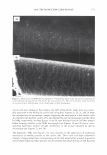
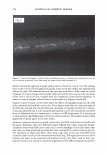
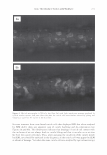
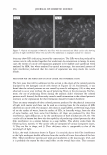
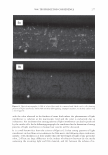
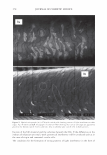
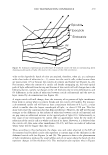
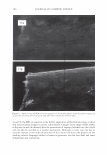
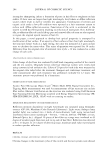
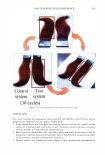
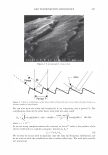
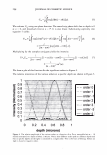
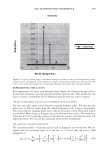
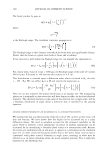
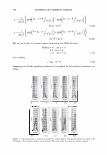
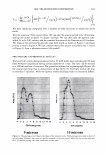
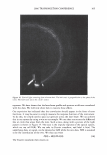
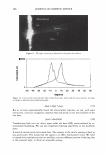
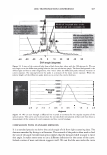
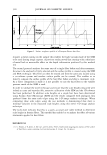
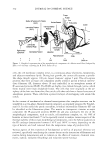
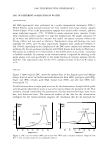
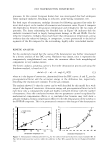
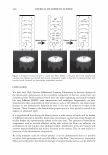
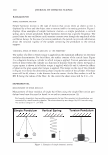
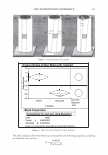
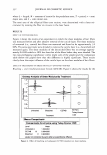
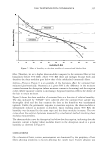
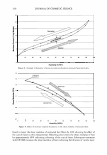
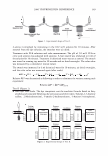
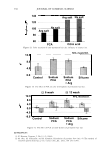
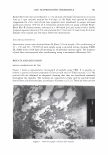
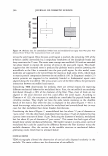
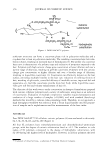
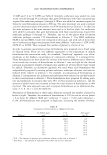
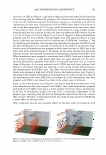
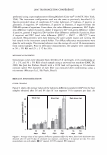
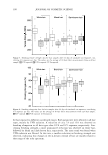
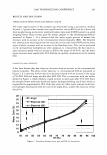
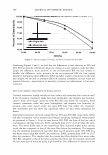
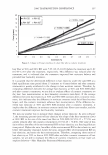
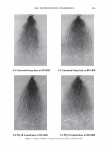
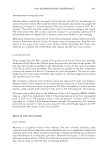
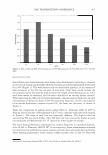
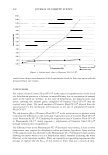
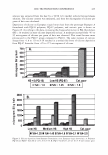
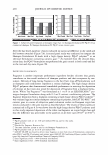
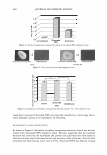
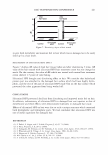
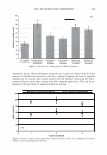
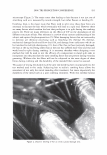
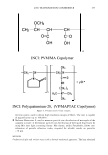
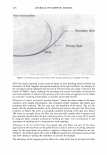
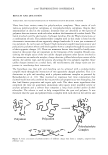
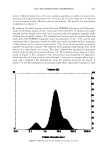
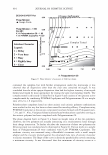
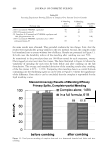
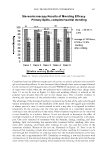
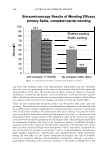
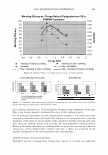
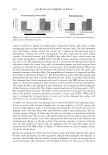
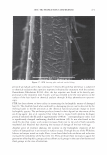
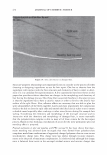
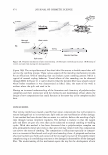
2006 TRI/PRINCETON CONFERENCE 423 available PQ-67 grades such as Polymers SoftCAT SL and SK. Low levels of hydrophobic dimethyldodecyl ammonium substitution (HS :::=;: 0.01) were used to impart hydropho- bic character to these polymers. Several structural parameters of cationic cellulosic ether derivatives, such as PQ-67 (Figure lA) and their non-hydrophobic structural analogs, PQ-10 (Fig. lB) polymers have a profound impact on their performance on hair and skin. These parameters include molecular weight (Mw), cationic charge (CS), as well as the degree of the side chain substitution with ethylene oxide (EO MS). Examples of such structure-performance relationships for PQ-10 polymers in surfactant systems were previously described in industry sources (3-6). On the other hand, the structural potential of PQ-67 composi- tions is much less explored and understood. In addition to the structural features already present in PQ-10, the structure of PQ-67 polymers offers one more variable-the degree of hydrophobic substitution (HS), which is another useful tool for modifying, control- ling, and improving certain performance aspects of these polymers on hair (1) and skin (7). The new results presented below demonstrate that increasing the cationic charge to above 2 wt.% N in the hydrophobically modified quaternized HEC polymers, such as PQ-67, resulted in a several fold boost of their deposition and delivery properties, and significantly improved the overall performance of these polymers on hair, especially non-chemically treated, coarse, difficult to manage and unruly hair types. The high charge density PQ-67 polymers were evaluated in shampoo formulations using objective quantitative lab methods and subjective panel evaluation on hair tresses. Commercial conditioning polymers: PQ-67 with charge density less then 1.45 meq/g (SoftCAT™ SL and SK) and cationic guar CTaguar® C-13S) were used as performance benchmarks. PERFORMANCE IN SHAMPOOS WITH SILICONES The principal intent of shampooing is to clean the hair. However, products that are designed solely for cleansing can leave hair tangled and unmanageable when wet, and raspy dry and dull-looking upon drying ((1) and references therein). As previously described in (1), many conditioning polymers and various other perfor- mance ingredients, e.g. insoluble silicones, can improve the hair condition by reducing the combing friction of hair and providing a soft, smooth feel and healthy, shiny appearance. Cationic polymers, such as PQ-10, PQ-67, and cationic guar, are known to work in these ways, in these systems, alone or in combination with other actives. They are assumed to form a polymersurfactant complex (coacervate phase) that separates and precipitates onto the hair during the rinse-off cycle (1,8-10). Coacervates can optionally incorporate performance ingredients such as silicones, fragrance, sunscreens, and other benefit agents thus assisting in their deposition on hair (1,3,4). Experimental polymers described in this paper are conjectured to perform along this line. Deposition of silicones on hair has been evaluated in two shampoo systems that included different surfactant bases and different types of silicones: Shampoo Formulation A con- taining sodium laureth sulfate (SLES)/ disodium cocamphodiacetate (DSCADA), 1 wt.%

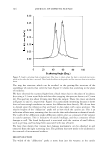
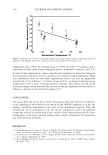
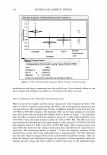
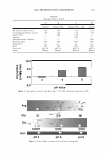
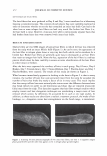
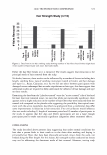
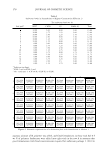
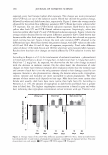
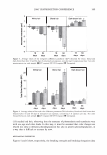
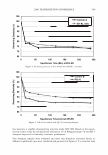
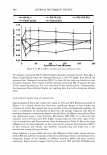
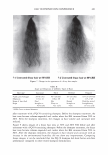
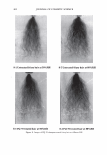
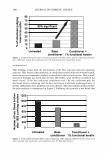
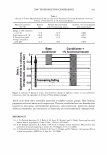
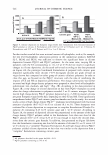
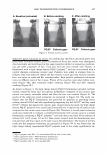
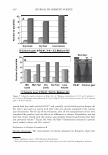
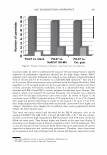
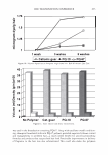
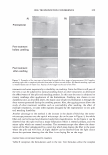
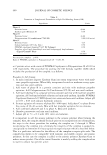
424 JOURNAL OF COSMETIC SCIENCE dimethicone with an average particle size -0.3 microns,7 and conditioning polymers incorporated at 0.25% level and Shampoo Formulation B containing sodium laureth sulfate (SLES)/ disodium laureth sulfosuccinate (DSLSS)/ cocamidopropyl betaine (CAPB), 1 wt. % dimethiconol with average particle size -0.5 micron8 and conditioning polymers incorporated at 0.2% level. Deposition of silicones from shampoo formulations depends upon many factors type of silicone, its average particle size, the surfactant base, the presence and type of cationic polymers are amongst the most important (6,11). Hair type can also play a significant role in the deposition of silicones and, therefore, impact the choice of cationic polymers to assist in and/or control this deposition. For example, as we previously described in (1) and the SoftCAT product literature, the low to medium charge density (-1.0 to 1.45 wt.% N) PQ-67 polymers ideally suit the needs of bleached damaged hair. They do not overload this susceptible-to-cationic-deposition hair type while maximizing the deposition of much needed silicone as compared to cationic guar and PQ-10 polymers. Deposition of silicone on virgin hair as well as on any "interme- diate" hair type varies significantly depending on a specific shampoo formulation. Ex- amples of systems where high-viscosity high-charge PQ-10 grades outperformed their cationic guar counterparts have been previously described in (11). As we show later, Shampoo Formulation B also falls into this category. At the same time, the Shampoo Formulation A yielded significantly better silicone deposition on European virgin brown hair when formulated with cationic guar.9 One of the goals of the present study was to further explore and tune structural parameters of PQ-67 polymers in order to close this gap. We, therefore, began our investigation with the Formulation A, where the short- coming was first identified, and then expended our evaluation scope to include other systems. Conditioning performance of two prototype shampoo systems described below is largely due to the presence of silicones and their ability to reach hair and stay behind (in small amounts) after the rinse-off cycle is complete. Ability to deposit silicone is therefore crucial in these systems and greatly contributes to the overall conditioning effect. On the other hand, the contribution of the cationic conditioning polymers and other ingredients found in shampoos can also play an important role in the overall performance. In order to account for these effects and make sure that the performance differences are likely to be noticed and appreciated by the end consumer, we included subjective panel studies on hair tresses in our evaluation. Performance in Shampoo Formulation A Silicone deposition. The total amount of silicone deposited on hair treated with the Shampoo Formulation A was measured using atomic absorption spectrophotometry. Commercial European virgin hair10 was washed two times 11 with each formulation. The 7 Dow Corning® Emulsion 1664 (supplied by Dow Corning) is a non-ionic emulsion of high molecular weight polydimethylsiloxane with 50% silicone content. 8 Dow Corning® Emulsion 1785 (supplied by Dow Corning) is an anionic emulsion of high molecular weight polydimethylsiloxane with 60% silicone content. 9 Note that the exact same shampoo formulation with lower charge density PQ-67 polymers (SoftCAT SL grade) yielded superior deposition of silicones on single-bleached hair compared to cationic guar (1). 10 All hair used in this work and described in this paper was supplied by International Hair Importers Co. 11 Consecutive washings, no drying in-between.
Purchased for the exclusive use of nofirst nolast (unknown)
From: SCC Media Library & Resource Center (library.scconline.org)