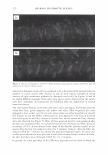
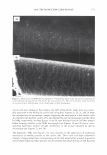
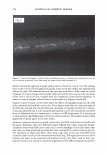
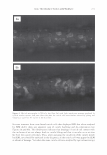
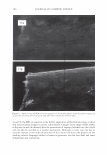
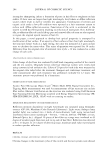
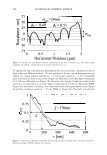
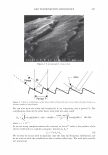
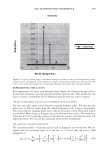
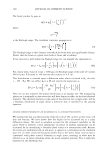
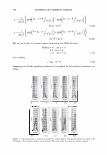
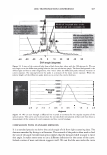
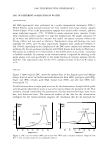
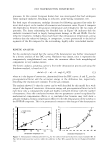
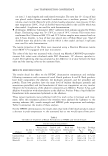
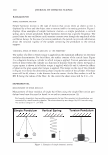
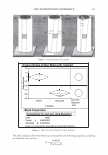
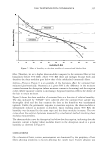
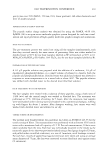
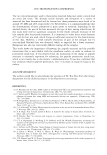
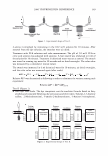
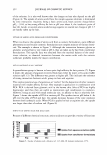
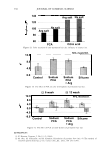
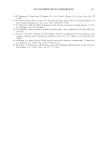
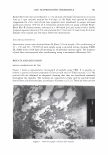
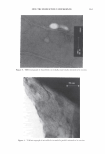
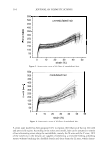
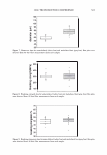
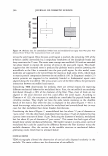
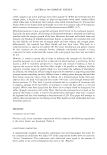
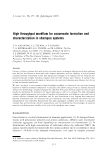
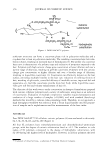
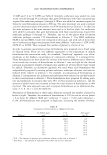
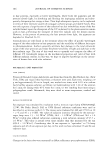
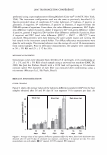
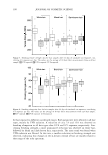
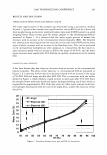
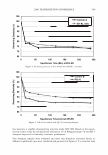
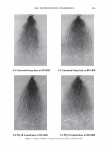
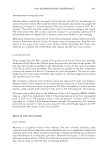
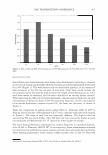
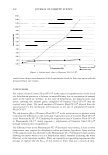
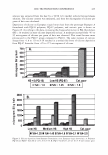
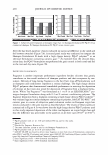
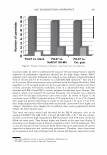
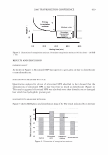
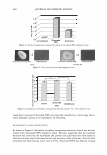
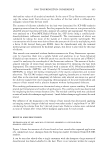
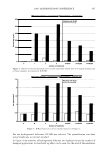
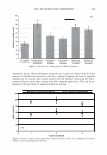
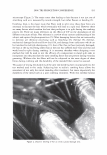
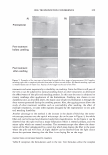
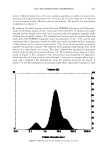
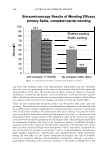
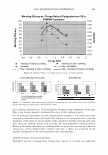
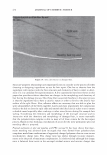
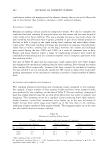
2006 TRI/PRINCETON CONFERENCE 425 silicone was extracted from the hair by a 50/50 (v/v) methyl isobutyl ketone/toluene solution. The silicone content was measured, and then the micrograms of silicone per gram of hair was calculated. Deposition of silicone on European virgin brown hair from the prototype Shampoo A formulated with PQ-10 polymers, PQ-67 polymers, and cationic guar is shown on Figure 2A. According to this data, increasing the charge substitution in PQ-10 polymers (HS = 0) resulted in more silicone deposited on hair. A moderate increase from -45 to 95 micrograms of silicone per gram of hair was observed. This trend became more pronounced in the PQ-67 group compared to PQ-10. The same increase of cationic charge from -1.0 to 1.8 wt.% N resulted in a several fold boost of silicone deposition from PQ-67 formulas: from -45 to 215 micrograms of silicone. 700 ... ca 600 .c CJ 500 ::::: 400 (/J E 300 l! CJ 200 CJ 100 E 0 3600 ... ca 3000 .c CD 2400 - U'J 1800 E ca 1200 CD u 600 E 0 HS= 0 (PQ-10) I □o/oN-1.0 Low HS (PQ-67) Cat. guar ■ %N -1.25 mo %N -1.a I Low HS Medium HS High HS Cat. guar ■ %N-1.25 ■ %N-1.45 DD1 %N-1.8 II %N-2.1 ■ %N-2.5 Figure 2. Silicone deposition from Shampoo Formulation A on European virgin brown hair. A. Polymers PQ-10 and PQ-67 with CS of 1.0-1.8 wt.% N. B. PQ-67 with CS 1.25-2.5 wt.% N and cationic guar.

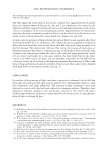
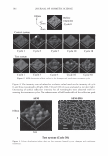
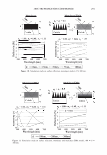
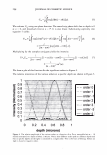
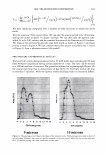
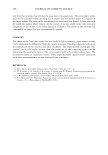
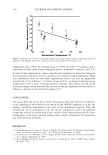
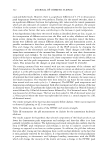
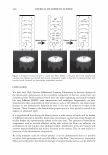
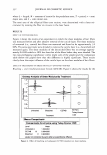
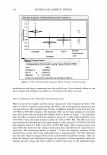
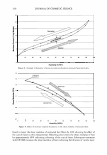
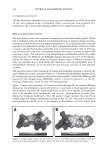
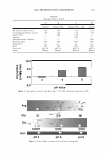
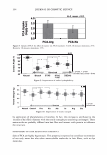
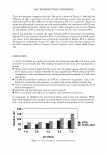
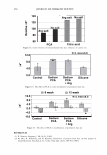
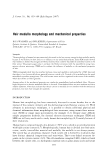
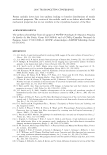
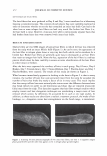
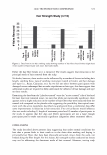
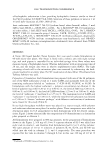
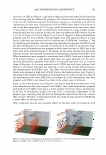
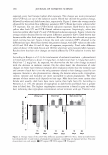
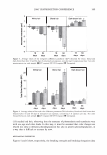
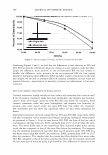
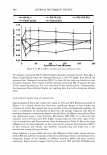
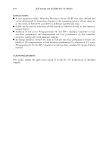
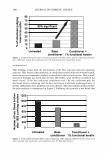
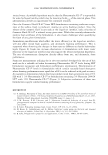
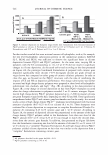
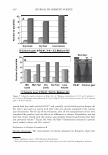
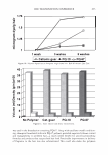
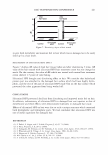
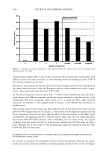
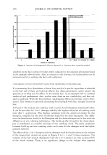
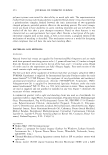
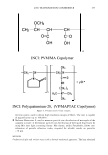
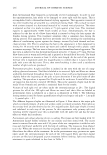
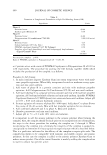
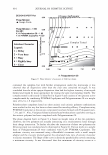
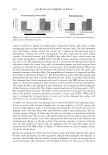
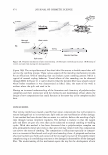
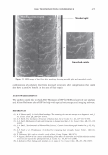
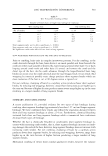
426 JOURNAL OF COSMETIC SCIENCE ._ 2000 "iii tn 1500 E 1000 I! tn e soo ·e 0.07wt.% 0.15wt.% 0.25wt.% Cationic guar PQ-67, PQ-67, %N-2.1, %N-2.5, Medium HS Medium HS I II Cat. guar II PQ-67, Medium HS ■ PQ-67, High HS I I□ 1 wt.%silicone II 0.3 wt.%silicone I Figure 3. Silicone deposition on European virgin brown hair: formulations with fractional amounts of PQ-67 polymer or silicone. A. Formulations with 0.007 to 0.25 wt.% Polymer and 1 wt. % Silicone. B. Formulations with 0.25 wt.% Polymer and 0.3 to 1 wt.% Silicone. Further studies revealed that even minimal amount of hydrophobe, such as, for example, the low level hydrophobic substitution present in the commercial products SoftCAT SL-5, SK-M, and SK-H, was sufficient to observe the significant boost in silicone deposition between PQ-10 and PQ-67 polymers. At the same time, varying HS in polymers with the CS corresponding to 1.0-1.8 wt.% N did not result in significant changes in silicone deposition. As discussed earlier and according to the data presented on Figure 2A, the prototype benchmark Formulation A prepared with cationic guar deposited significantly more silicone (~675 microgram silicone per gram of hair) on virgin brown hair compared to either group of cationic cellulosic polymers. In order to close this gap, we focused on the PQ-67 structures with the idea of combining the impacts of CS and HS on deposition performance. The charge substitution was further increased and high charge density polymers were prepared at three levels of hydrophobic substitution: low, medium, and high 12 (Fig. 2B). According to the data presented in Figure 2B, a step-change in silicone deposition on hair from PQ-67 shampoos occurred when the charge substitution in polymers exceeded 2 wt.% cationic nitrogen. Experi- mental high charge density PQ-67 polymers deposited up to ~3,500 microgram silicone per gram European virgin brown hair, depending on their CS and HS. They significantly outperformed other PQ-67 and cationic guar benchmarks used in the study. In a second study a series of high charge density PQ-67 13 shampoos were formulated with fractional amounts of polymer (0.07-0.25 wt.%) or silicone (0.3 wt.%). These shampoos were evaluated for silicone deposition in comparison to complete formulations (Shampoo For- mulation A) containing 0.25 wt.% cationic guar and 1 wt.% silicone. According to Figure 3A, the amount of deposited silicone was proportional to the amount of the high charge density PQ-67 polymer added to the formulation. Less then one third of the PQ-67 amount (0.07 wt.% versus 0.25 wt.%) was enough to match the silicone depo- sition from the cationic guar formula. In addition, data presented on Figure 3B shows that the formulation containing one third of the amount of silicone (0.3 wt.% versus 1.0 wt.% silicone in a "complete" Shampoo Formulation A) and high charge density PQ-67 polymers yielded silicone deposition on hair that was similar to the deposition from a "complete" formulation containing cationic guar. 12 All polymers described in this paper had HS 0.01. 13 PQ-67 polymers containing 2. 5 wt.% N.
Purchased for the exclusive use of nofirst nolast (unknown)
From: SCC Media Library & Resource Center (library.scconline.org)