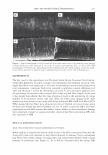
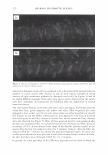
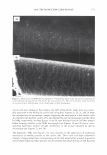
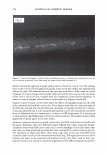
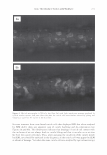
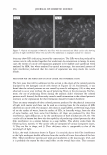
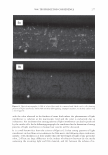
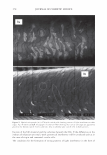
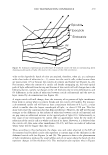
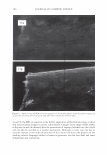
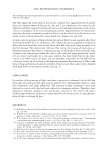
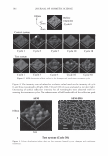
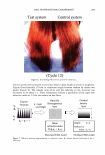
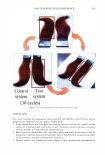
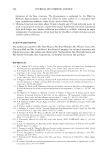
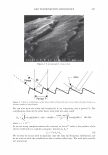
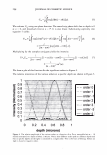
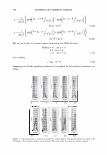
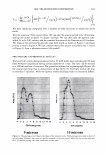
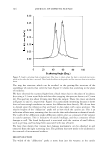
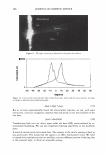
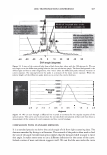
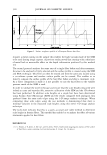
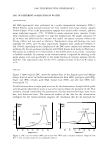
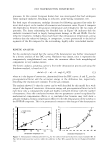
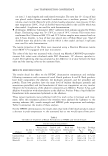
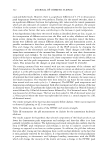
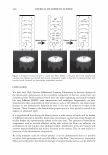
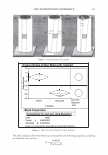
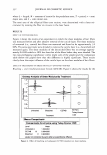
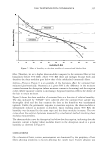
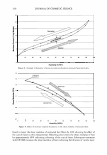
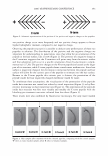
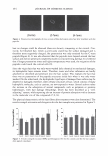
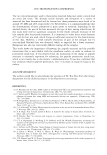
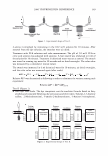
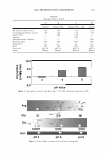
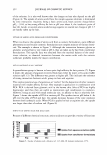
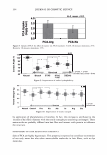
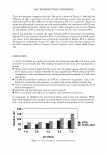
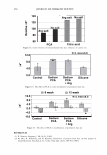
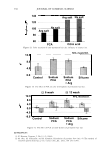
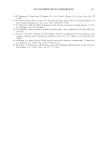
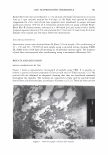
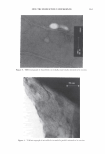
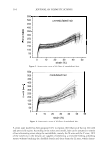
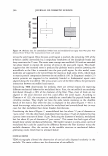
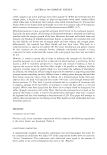
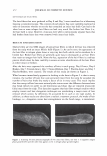
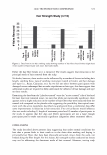
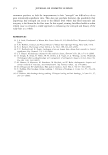
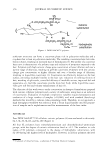
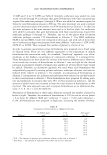
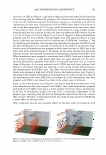
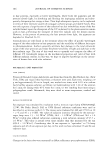
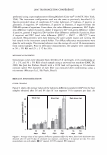
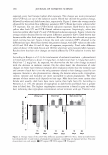
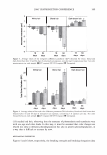
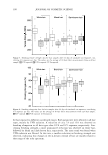
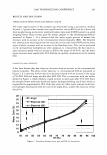
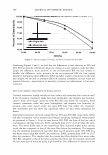
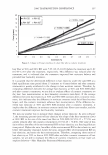
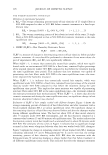
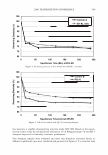
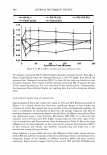
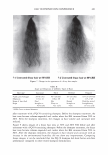
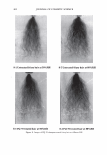
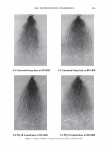
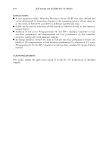
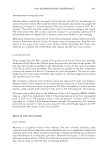
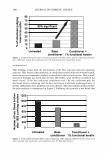
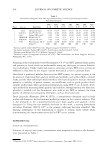
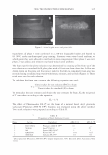
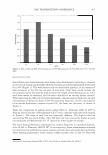
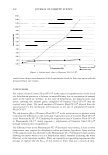
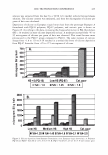
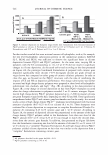
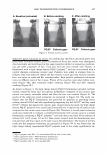
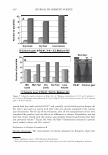
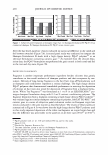
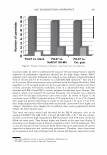
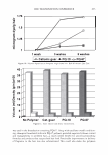
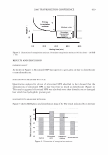
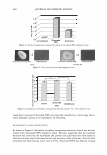
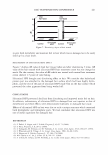
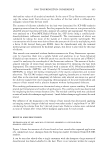
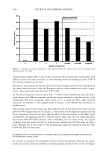
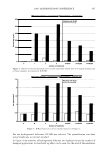
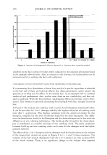
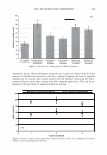
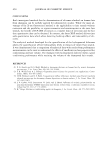
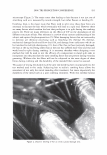
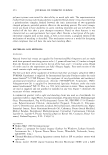
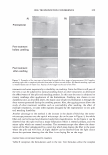
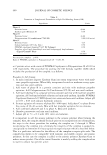
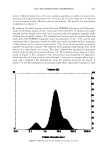
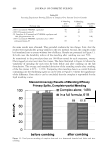
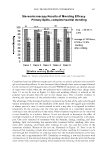
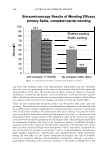
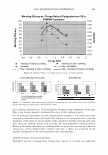
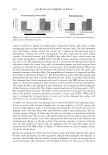
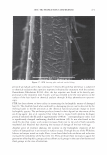
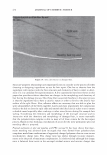
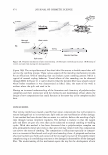
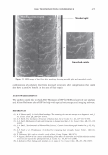
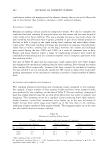
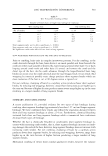
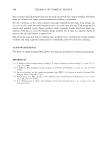
2006 TRI/PRINCETON CONFERENCE 427 A. Baseline (untreated) Before combing ,B. PQ-67 Cationic guar Figure 4. Volume and frizz control. C. After combing PQ-67 Cationic guar Subjective panel evaluation on tresses. To confirm that the effects described above were perceivable to human subjects, pairs of commercial frizzy hair tresses were shampooed, dried overnight and distributed to five expert panelists skilled in evaluating condition- ing and other properties of hair. Each pair had one tress treated with Shampoo A formulated with a high charge density PQ-67 polymer14 and one tress treated with a control shampoo containing cationic guar. Panelists were asked to evaluate three at- tributes: they were asked to choose one hair swatch in each pair that had less volume/ frizz, was easier to comb and felt smoother/softer. Each panelist performed evaluations twice on different pairs of hair tresses. Photos of the swatches were taken before treat- ment (Figure 4A), after treatment before combing (Figure 4B), and after repeated combing (Figure 4C). As shown in Figure 4, the high charge density PQ-67 formulation provided excellent volume control for frizzy hair. Its superior performance compared to the cationic guar control was clearly noticeable before and after the hair was combed (Figure 4). The results of the subjective panel evaluation are presented in Figure 5A. The study con- firmed that the PQ-67 formulation was perceived by panelists as providing better volume control (10/10) and also significantly improving dry feel (8/10)1 5 and dry comb (9/10)16 of frizzy hair against the cationic guar. As previously discussed, the high charge density PQ-67 polymers were significantly more efficient in depositing silicones on hair compared to the cationic guar control (Figure 3B). Therefore, a second panel evaluation study was conducted to compare a complete formulation with cationic guar to a sample formulation containing a PQ-67 polymer 17 and only about one third of the amount of silicone (0.3 wt.% versus 1.0 wt.%). Hair tresses treated with the formulations were evaluated wet and dry in pairs in the same way as described above. The results of wet/dry comb and feel property evaluations are presented in Figure 5B. It was found that the high charge density experimental PQ-67 polymer used in this study significantly im- 14 PQ-67 polymer with %N -2.5 and medium HS was used in this study. 15 Exact significance level = 89% (binomial distribution). 16 Exact significance level = 98% (binomial distribution). 17 PQ-67 polymer with 2.5 wt.%, medium HS.

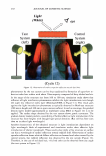
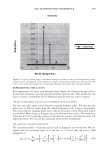
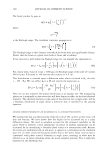
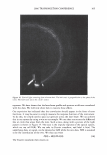
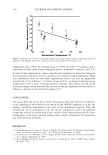
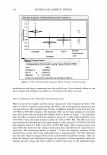
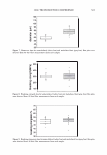
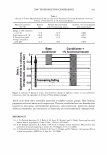
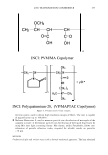
428 10 J!! .!!? 8 "iii C [ 6 ... 4 CD § 2 z JOURNAL OF COSMETIC SCIENCE Dry Comb Dry Feel Less Volume Im Cationic guar ■ PQ-67, % N - 2.5, Medium HS I 10 J! B . . ! a•-1---------- C a s 0 ... 4 11 § 2 z 0 Wet Wet Feel Dry Dry Feel Less Comb Comb Volume I□ Cationic guar PQ-67, %N 2.5, Medium HS I Next day: PQ-67 Cationic guar Figure 5. Subjective panel evaluation on frizzy hair. A. Shampoo Formulation A: 0.25 wt.% polymer, 1 wt.% silicone. B. Shampoo Formulation A: 0.25 wt.% PQ-67, 0.07 wt.% silicone versus 0.25 wt.% cationic guar, 1.0 wt.% silicone. proved both dry comb and feel (8/10) 18 and, possibly, wet feel of frizzy hair despite the fact that it was used in a system with three times less silicone compared to the cationic guar formulation. On the day of the evaluation, after all the manipulations on hair were completed the panelists were not able to see differences in volume. Nevertheless, one day later hair tresses treated with the cationic guar formula showed significantly more frizz and unwanted volume 19 Figure SB, while the PQ-67 formulation continued to provide much needed volume and frizz control. Performance in Shampoo Formulation B Silicone deposition. The total amount of silicone deposited on European virgrn hair 18 Exact significance level = 89% (binomial distribution). 19 Frizz and volume increase are typical to this hair type and can be caused by atmospheric moisture.
Purchased for the exclusive use of nofirst nolast (unknown)
From: SCC Media Library & Resource Center (library.scconline.org)