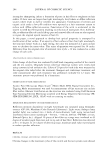
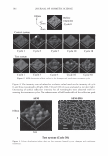
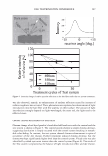
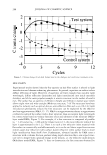
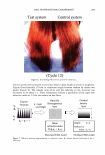
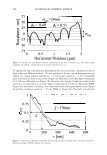
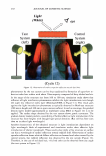
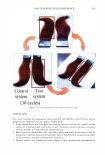
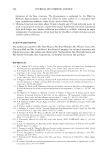
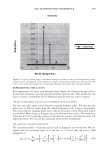
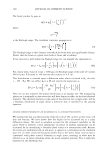
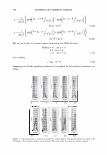
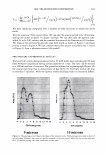
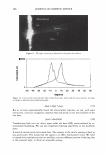
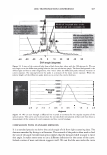
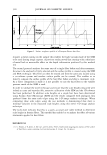
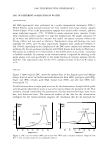
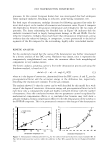
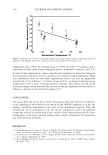
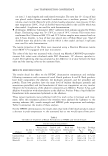
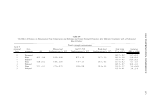
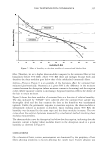
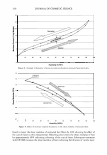
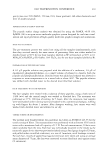
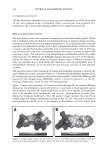
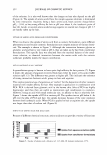
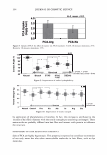
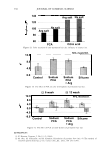
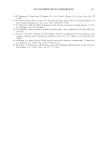
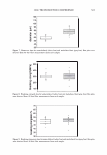
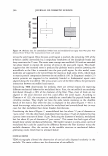
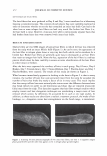
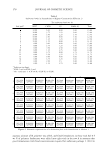
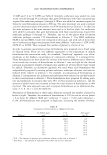
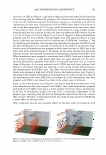
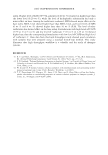
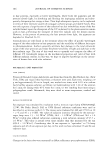
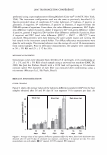
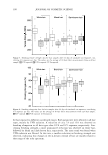
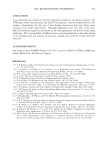
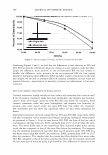
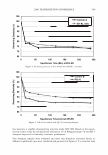
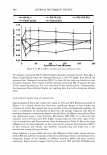
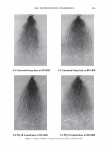
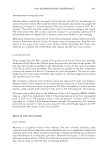
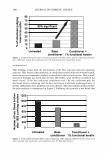
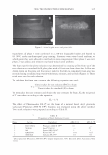
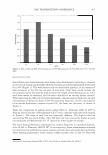
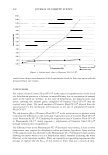
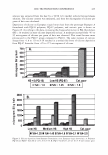
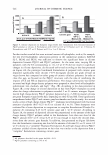
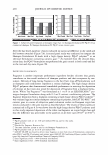
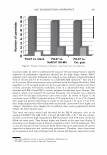
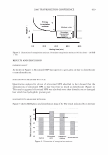
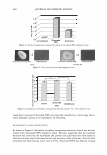
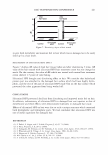
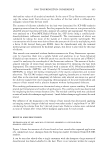
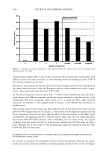
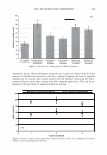
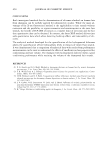
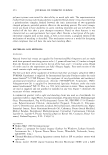
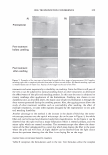
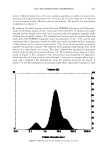
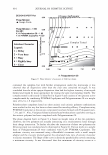
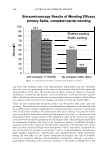
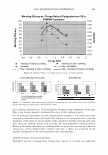
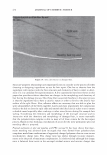
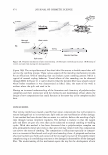
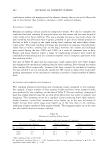
.!! a, C ca a. ... a, .D E ::I z 9 8 7 6 5 4 3 2 1 0 2006 TRI/PRINCETON CONFERENCE 431 PQ-67 vs. blank PQ-67 vs. PQ-67 vs. SoftCAT SK-MH Cat. guar Figure 8. Fragrance deposition on European virgin brown hair, wet subjectives. Coacervate studies. In order to understand the origin of the step-change boost in assisted deposition of performance ingredients observed for the high charge density PQ-67 polymers, their coacervate formation was studied in clear shampoo systems formulated with no silicone and 0.3 wt.% polymer in a SLES/DSCADA surfactant30 base and 0.3 wt.% polymer. Haze measurements were performed using the Nippon Denshoku 300A hazemeter in a 50 mm path length cell. As discussed above, cationic polymers are known to form coacervates with anionic surfactants. Clear in a concentrated form, surfactant solutions with PQ-10 and PQ-67 cationic polymers become hazy upon dilution. This haziness, which is an indicator of coacervate formation, was measured over a dilution range of 0-10 and haze (coacervate) curves were studies. As shown in Figure 9, the coacervate curves of PQ-67 polymers with wt.% N ranging from 1.25 to 2.5% changed their shape and position depending on charge. In the range of 1.25 up to 1.8 wt.% N, their shape progressively evolved from lower and broader curves (low CS) to higher and "sharper" (narrower) curves (higher CS). In addition, these curves progressively shifted toward the lower dilution ratio. This trend was earlier noticed and described for the PQ-10 polymers, such as, for example UCARETM LR-30M (%N -1.0) and JR-30M (%N -1.8).31 On the contrary, the haze curves for the high charge density PQ-67 polymers with % N above 2.0 did not follow the same trend. They became higher and broader at the same time (Figure 9) extending over a broader range of dilution compared to their 1.8% N predecessor. This is a known indicator of more coacervate being formed that raises expectations of superior deposition/co-deposition and conditioning performance. Therefore, these observations are in agreement with earlier findings from the silicone and fragrance deposition studies 30 The same surfactant system as used in the Shampoo Formulation A. 31 UCARE™ product literature, Amerchol Corporation.

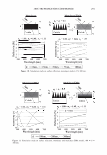
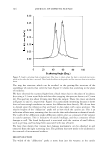
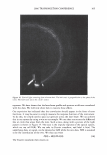
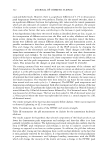
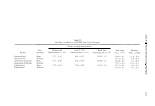
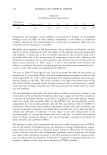
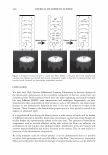
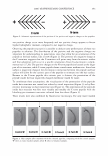
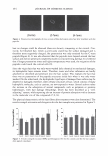
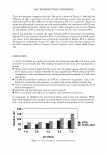
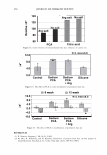
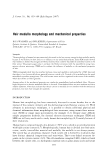
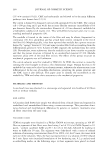
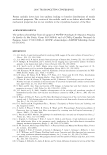
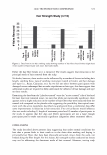
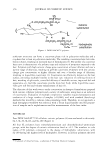
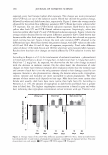
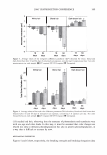
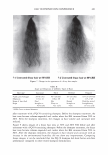
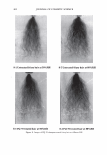
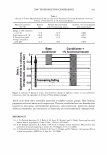
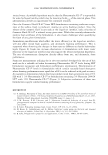
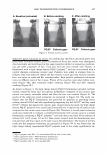
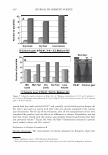
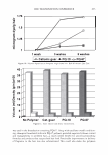
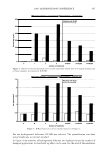
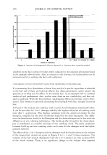
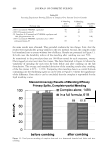
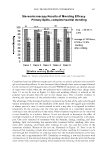
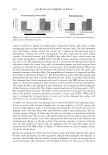
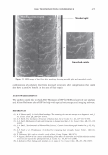
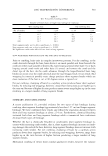
432 100 80 Cl 60 ::c 40 � 0 20 0 JOURNAL OF COSMETIC SCIENCE +------_,.__----=:e!!!llllll��ll&-----------1-0- %N -1.25 -0-¾N-1.45 _._%N -1.8 +--------1-.#--:i,-.....,...,._-� .------- ----=��.,_-------l�%N-2.1 1.0 3.3 5.0 Dilution Ratio l�¾N-2.5 7.5 10.0 Figure 9. Coacervate formation in shampoos containing PQ-67 polymers. described in this paper. This provides some insights on the mechanistic aspects of the high charge density PQ-67 polymers' outstanding performance. OTHER PROPERTIES IN SHAMPOOS As shown above, novel high charge density PQ-67 polymers demonstrated improved overall performance and, in particular, showed outstanding ability to deposit benefit agents on hair from shampoo formulations. At the same time, these polymers were found to retain the good qualities of the PQ-10 and their lower charge density PQ-67 coun- terparts, such as enabling crystal clear formulations,32 showing no excessive build-up on hair33 (as shown on Figure 10), and having no negative impact on foam34 (as shown on Figure 11). CONCLUSIONS A series of new experimental high charge density PQ-67 polymers were prepared and evaluated in shampoo formulations. These new compositions demonstrated outstanding performance in assisting deposition of performance ingredients such as silicone and fragrance on human hair. They were found superior compared to PQ-10, lower charge density PQ-67 polymers, and cationic guar benchmarks. In several studies experimental polymers outperformed the cationic guar benchmark even when less polymer or silicone 32 Measuring less than 4% haze on Nippon Denshoku 300A hazemeter, 50 mm pathlength, 0.3% polymer. :n The amount of deposited polymer was assessed by detecting the amount of anionic Red 80 dye bound to the cationic polymer deposited to the hair as described in (1). The deposition values were normalized per amount of polymer deposited after one wash. The prototype formulation included 0.3 wt.% polymer (experimental high charge density PQ-67 polymer with 2.1 wt.% N and medium hydrophobic substitution, UCARETM JR-30M (PQ-10), or Jaguar® C-13S) in a SLES/DSCADA surfactant base. 34 Quantitative foam measurements were performed as described in (12): all foam generated while sham- pooing a hair tress was collected and weighed and then its volume and density were calculated.). The prototype formulation included 0.3 wt.% polymer (experimental high charge density PQ-67 polymer with 2.1 wt.% N and medium hydrophobic substitution, UCARE™ JR-30M (PQ-10), or Jaguar® C-13S) in a SLES/DSCADA surfactant base.
Purchased for the exclusive use of nofirst nolast (unknown)
From: SCC Media Library & Resource Center (library.scconline.org)