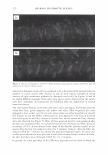
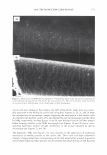
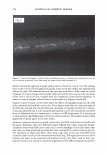
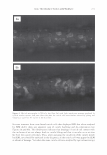
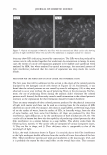
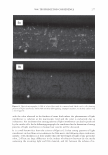
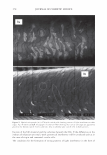
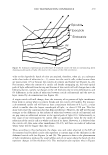
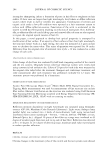
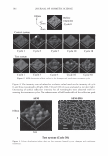
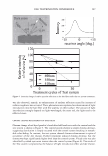
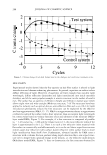
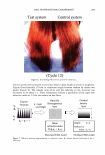
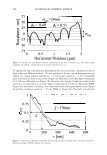
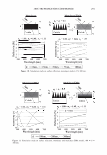
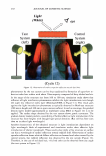
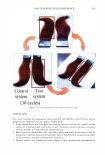
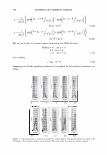
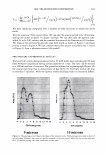
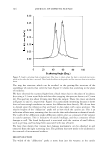
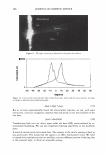
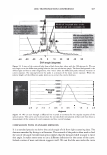
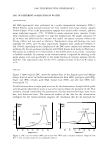
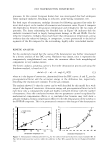
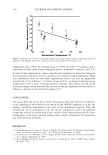
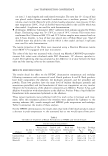
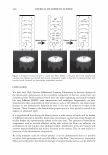
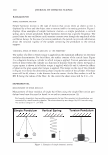
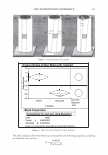
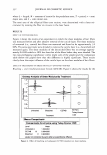
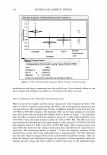
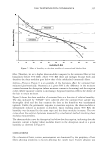
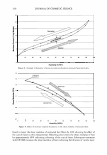
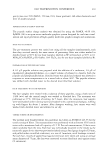
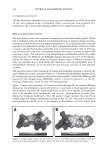
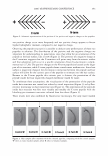
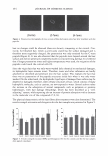
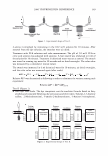
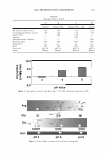
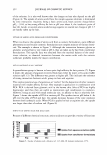
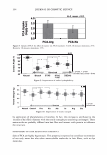
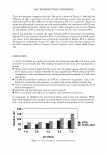
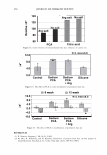
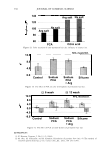
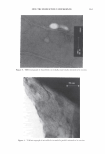
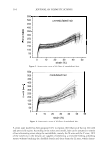
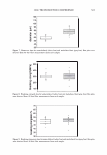
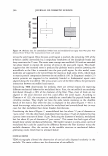
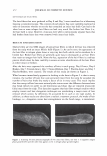
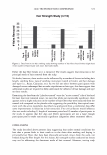
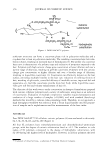
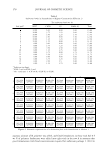
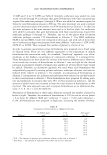
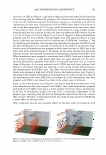
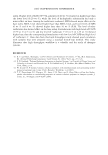
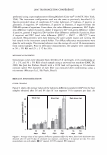
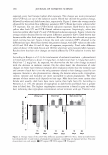
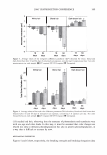
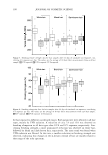
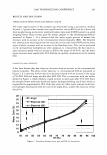
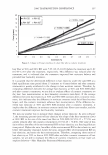
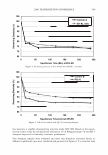
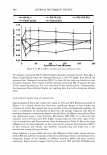
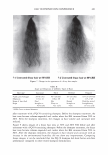
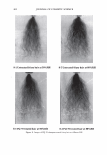
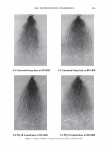
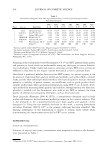
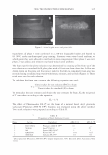
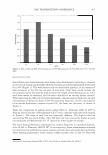
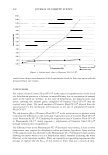
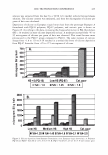
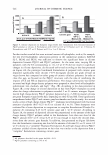
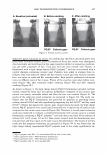
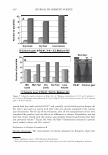
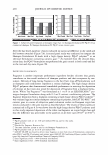
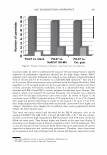
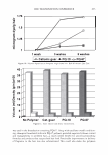
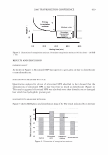
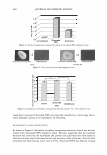
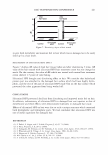
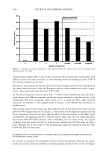
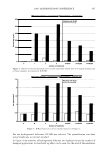
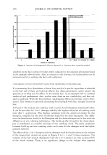
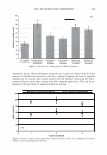
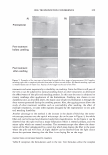
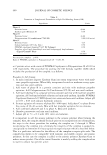
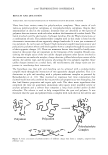
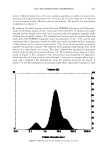
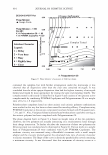
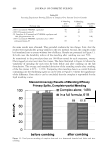
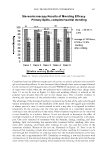
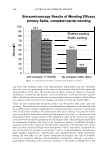
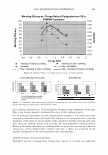
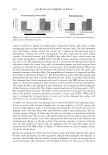
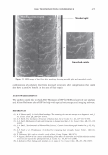
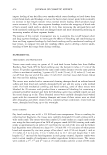
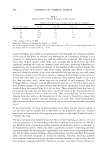
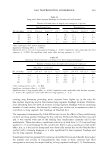
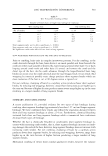
L. ca .c en a, a "C E ca L. en 0 L. u ■- E 1.75 1.5 1.25 1 2006 TRI/PRINCETON CONFERENCE 1 wash 3 washes 5 washes 1-o- Cationic guar -a- PQ-1 D --tr PQ-67 I Figure 10. Polymer deposition on European virgin brown hair. Red 80 Anionic Dye Test. 40 0 35 0 T"" .!!. 30 E a, 25 � 20 C: � 15 -E (1) E :::s 0 10 5 No Polymer Cat. guar PQ-10 PQ-67 Figure 11. Foam volume and density measurement. 433 was used in the formulation containing PQ-67. Along with excellent overall condition- ing, shampoos formulated with new PQ-67 polymers provided improved volume control and manageability to problem hair-a much needed benefit for anti-frizz/smoothing formulas and products that target sleek hair look. Perceivable improvement in delivery of fragrance to the hair was also substantiated. This could also make the polymers

434 JOURNAL OF COSMETIC SCIENCE described here well suited for aromatherapy and spa formulas. According to the perfor- mance data presented in this paper, the new high charge density PQ-67 polymers should be recommended for a range of hair types that would benefit from enhanced deposition, premium conditioning and volume control: from normal, not chemically treated to problem hair (frizzy, unruly, coarse etc.) as well as Asian hair types. REFERENCES (1) T. V. Drovetskaya, R. L. Kreeger, J. L. Amos, and C. B. Davis, Effects of low-level hydrophobic substitution on conditioning properties of cationic cellulosic polymers in shampoo systems,]. Cosmet. Sci., 5 5(Suppl.), S 195-S205 (2004). (2) R. L. Kreeger and S. Zhou, Cellulose ethers, International Patent Application WO 2005/000903 (2006). (3) M. Gamez-Garcia, Polycation substantivity to hair, IFSCC, 4, 99-107 (2001). (4) W. Li and S. L. P. Jordan, Cationic cellulosic polymers with multifunctional and outstanding perfor- mance for personal care, Cosmet. Toiletr. Manufact. Worldwide, 1-4 (2003). (5) S. Zhou, C. Xu, J. Wang, P. Golas, J. Batteas, and L. Kreeger, Phase behavior of cationic hydroxyethyl cellulose-sodium dodecyl sulfate mixtures: Effects of molecular weight and ethylene oxide side chain length of polymers, Langmuir, 20, 8482-8489 (2004). (6) W. Li, J. Amos, S. Jordan, A. Theis, and C. Davis, Selecting the optimum silicone particle size/cationic polymer structure to maximize shampoo conditioning performance, J. Cosmet. Sci., 57(2), 178-180 (2006). (7) X. Zhang, L. Kreeger, L. Kosensky, C. Barbeito, and J. Amos, Effect of cationic hydroxyethylcellulose polymer architecture on triglyceride deposition from body washes, IFSCC Congress (2004). (8) R. Y. Lochhead, "Shampoos," in The Chemistry and Manufacture of Cosmetics, 3d ed., M. L. Schlossman, Ed. (Allured Publishing Corporation, Carol Stream, IL, 2002), Vol. 2, pp. 277-326. (9) R. Y. Lochhead, Conditioning shampoo, Soap Cosmet. Chem. Spec., 42-49 (October 1992). (1 O) E. D. Goddard, "Polymer/Surfactant Interaction in Applied Systems," in Principles of Polymer Science and Technology in Cosmetics and Personal Care, E. D. Goddard and J. V. Grubber, Eds. (Marcel Dekker, New York, 1999), pp. 181. (11) B. G. Johnson and S. Van Oycke, Towards optimum hair conditioning, Personal Care, 17-19 (2006). (12) W. Li, S. L. P. Jordan, X. Zhang, J. Amos, and C. Davis, Synergistic effects of high molecular weight polyethylene oxide (PEO) and cationic cellulosic polymers on conditioning properties of hair and skin care products, Cosmet. Toiletr. Manufact. Worldwide, 31-34 (2004).
Purchased for the exclusive use of nofirst nolast (unknown)
From: SCC Media Library & Resource Center (library.scconline.org)