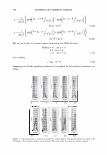
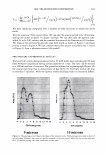
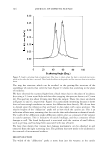
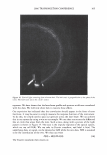
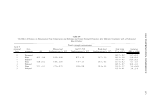
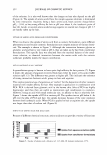
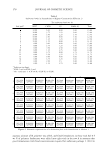
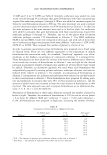
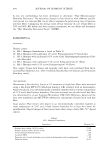
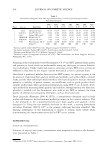
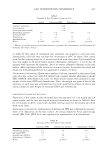
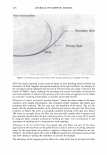
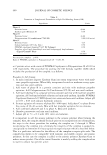
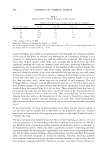
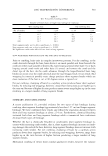
444 JOURNAL OF COSMETIC SCIENCE literature, several methods for the direct detection of silicones on human hair have been described including atomic absorption spectroscopy (AAS 1), electron spectroscopy for chemical analysis (ESCA 2), diffuse reflectance infrared Fourier transform spectroscopy (DRIFTS 3), and X-ray fluorescence spectroscopy (XRF 4). We have selected X-ray fluorescence due to the ease of use without sample preparation. Organic extracts of human hair can be evaluated by a wide range of analytical methods, for silicones we have applied induced coupled plasma optical emission spectroscopy (ICP-OES 5) due to a very low limit of detection. Hydrogenated didecene was selected as example for the use of hydrocarbons in hair rinse products. Since there is no specific method available for hydrocarbons, a GC-MS method was developed to quantify the amount of hydrogenated didecene in extracts of hair. The results of build-up effects and removability of substances by pure surfactant solutions are presented. In addition, two examples of how these analytical data can be linked to consumer relevant performance properties, like conditioning and hair volume effects, are presented. EXPERIMENT AL Strands of human hair were purchased from International Hair Importers (New York). Shampoos containing dimethicone and dimethiconol were taken from the current mar- kets in Germany and Thailand. The shampoos from the German market were tested with dark brown Caucasian hair and the shampoo purchased in Thailand was tested with Japanese hair. The shampoo with hydrogenated didecene was formulated according to Table I. Tests with this shampoo were performed using the dark brown Caucasian hair. Hair strands were washed with the shampoos at 1 g shampoo/1 g hair, incubated for 5 min and rinsed off using a special device to ensure reproducibility for all experiments. With this device each hair strand is rinsed with water at 38 ° C, 1 1/min and combed during rinsing. After rinsing the hair strands were dried for 60 min with warm air (65°C). The removability of the emollients from the hair was tested by repeating the procedure described above 5 or 9 (for the hydrogenated didecene) times followed by 1, 2 and 3 times shampooing with a solution of 12% Sodium laureth sulfate (SLES) (pH 6.5) respectively. All strands were treated together and samples were taken out of the process after 1, 3, 5 (7 and 9 for the shampoo with hydrogenated didecene) and also after 1, 2 and 3 times treatment with SLES. Hair strands which were just cleansed by SLES were extracted to determine Table I Test Shampoo with Hydrogenated Didecene Ingredient (INCI) Sodium laurethsulfate Cocoamidopropylbetain Polyguaternium 10 Methyldibromo glutaronitrile and phenoxyethanol PEG-150 distearate Hydrogenated didecene (via a nanoemulsion) Water Concentration [%} 9 3 0.2 0.1 1.25 1.8 ad 100

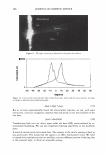
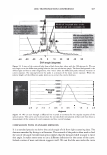
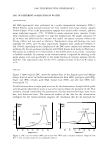
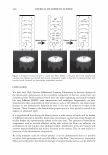
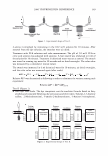
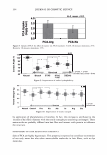
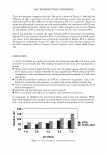
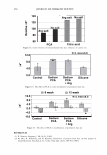
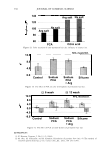
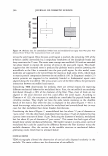
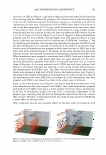
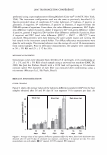
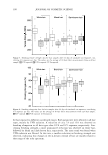
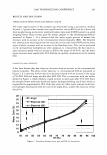
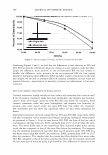
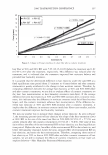
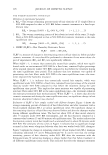
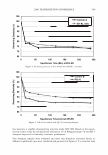
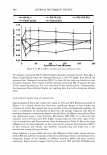
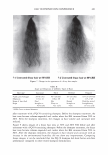
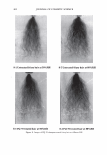
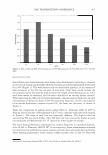
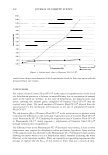
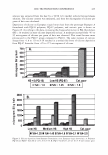
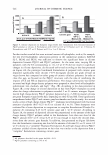
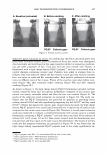
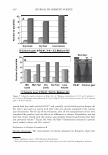
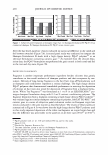
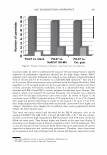
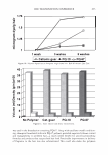
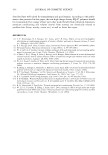
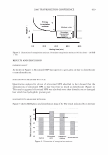
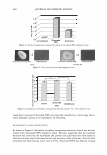
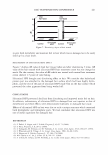
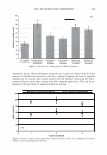
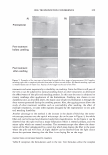
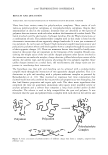
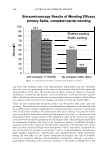
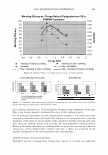
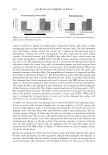
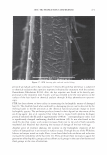
2006 TRI/PRINCETON CONFERENCE 445 the baseline values of all analytical methods. In the case of X-ray fluorescence spectros- copy the values result from silicon on the surface of the hair which is influenced by inorganic silicon from the hair itself. The amount of silicones adsorbed on the hair was determined by ICP-OES analytics preparing extracts from the strands. For this purpose the hair was cut into pieces and the adsorbed silicone was extracted with a mixture of a-xylene and isopropanol. The extracts were analyzed on a Vista MPX Radial (Varian Inc.) ICP device using a certified poly- dimethylsiloxane calibration standard (Conostan®). The concentration of silicon was calculated by taking the mean of the signals at 5 silicon specific wavelengths. The concentrations of silicones were derived from the amounts of silicon by multiplying with a factor (2 .64) derived from pure PDMS. Since for dimethiconol only the terminal methyl groups are substituted by hydroxyl groups, this factor is also valid for this type of silicone. Hair strands were examined without further treatment via X-ray fluorescence spectros- copy by mounting them into a sample holder and analyzing in an Axios-Advanced (Panalytical) spectrometer. A 4kw Rh anode was used for the excitation and a PE002-C crystal for analyzing the wavelength of the fluorescent radiation. The amount of hydro- genated didecene of treated hair strands was determined by extracting the hair with isopropanol. The extracts were derivatized with a mixture of N, O-bis(trimethylsilyl)- trifluoroacetamide (BSTFA) and N-methyl-N-(trimethylsilyl)trifluoroacetamide (MSTAFA) to reduce the boiling temperature of the matrix components and increase selectivity. The GC-MS analysis was performed applying hexadecane as internal stan- dard. Due to the structural complexity of didecene, only selected ion traces in a part of the didecene signals were used comparing chromatograms of the pure hydrocarbon and extracts of hair treated with a placebo shampoo without hydrogenated didecene. Wet combing performances were determined using a robotic system combing 10 treated strands per formulation and number of applications. The combing work was determined by integrating the force versus distance curve. The residual combing work was calculated as ratio of (work after shampoo application) / (work before shampoo application) for each strand. The influence of the shampoos to the volume of hair strands was determined applying an imaging system. Images of the hair strand were taken under 5 angles from 0 ° to 180 ° calculating the volume from the 5 derived projections. Relative volumes were calculated as ratio of volume after versus before shampoo application for each strand. RES UL TS AND DISCUSSION DETERMINATION OF THE AMOUNTS OF SILICONE ADSORBED TO THE HAIR FROM SHAMPOO APPLICATION Figure 1 shows the amounts of silicone found on hair strands after repeated application of a commercial 2-in-l shampoo from the European market determined from ICP-OES analysis. It can be seen that already after a single treatment with the shampoo a huge amount of dimethiconol was found adsorbed to the hair. There is no variation within the margin
Purchased for the exclusive use of nofirst nolast (unknown)
From: SCC Media Library & Resource Center (library.scconline.org)