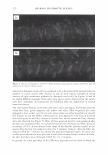
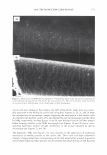
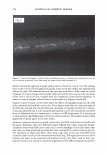
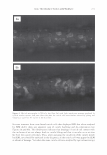
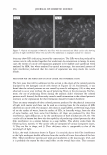
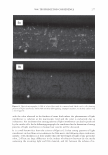
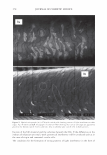
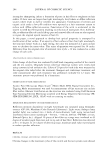
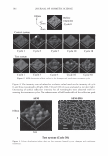
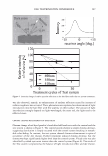
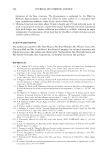
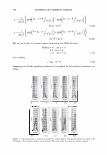
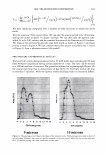
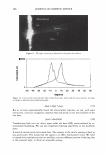
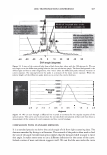
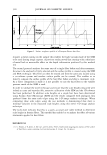
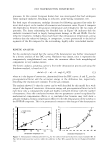
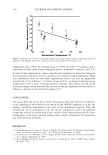
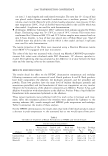
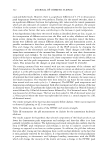
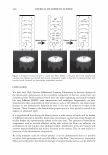
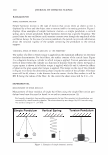
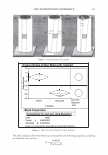
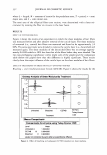
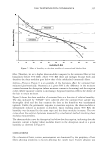
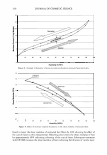
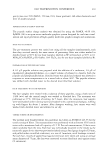
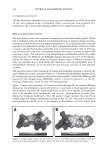
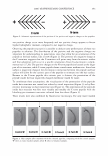
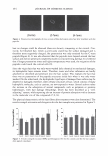
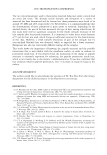
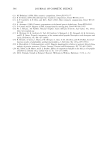
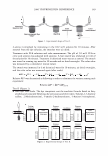
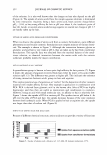
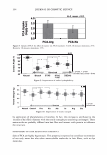
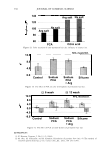
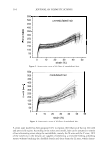
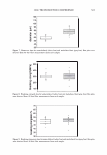
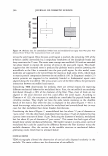
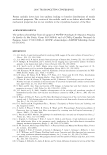
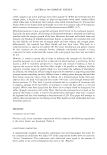
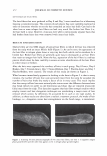
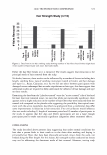
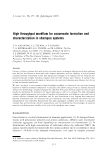
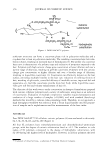
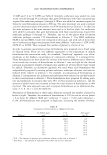
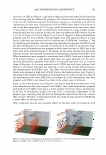
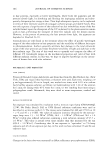
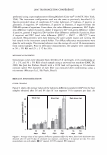
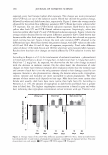
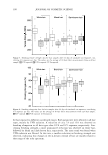
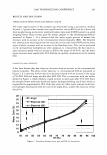
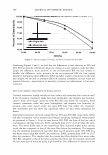
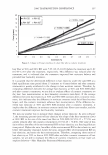
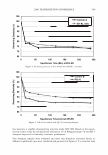
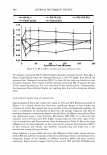
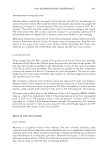
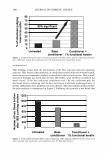
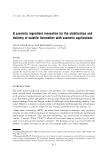
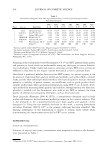
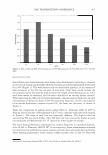
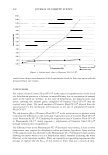
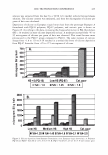
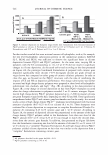
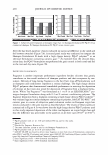
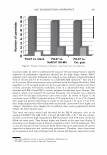
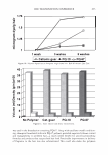
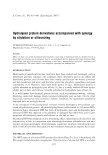
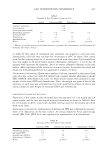
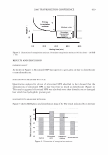
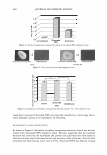
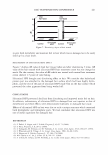
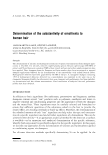
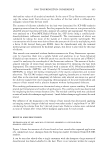
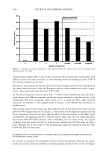
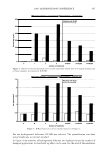
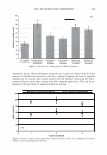
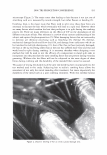
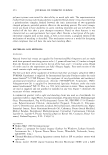
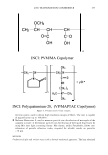
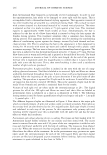
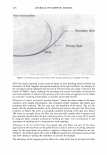
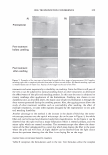
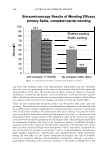
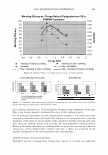
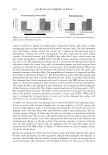
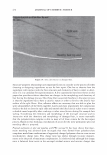
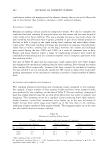
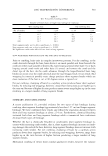
446 JOURNAL OF COSMETIC SCIENCE 700 Washing with SLES 600 500 · a, 400 � 300 200 100 0 0 3 5 5+SLES 5+2SLES 5+3SLES Number of treatments Figure l. Amount of silicone deposited at hair strands repeatedly washed with a 2-in-1 shampoo and determined by ICP-OES. of error of the method after 3 and 5 times treatment. By checking the removability with SLES it can be seen that even after 3 times washing with the surfactant about 50% of the silicone remains on the hair. In Figure 2 the amounts of silicone detected on hair strands treated with 2 shampoos of the same brand and type, from the European and the Asian markets are given, respec- tively. These data were also derived by ICP-OES. As the Asian shampoo contains more than 3.5 times more dimethicone than the Euro- pean version, the different amounts of silicone found adsorbed to the hair can be easily understood. For both shampoos there seems to be a build-up effect after repeated treatment. In contrast to the example given in Figure 1, the silicone was removed to a higher extent. Hair strands treated in the same way but analyzed with X-ray fluorescence spectroscopy gave the XRF signals depicted in Figure 3. Since there is a background signal resulting from (inorganic) silicon in the hair, and the effect of the hair matrix to the XRF signal is unknown, this method currently delivers relative data only. For the Asian shampoo, the results from ICP-OES analytics were confirmed. On the other hand, the signals resulting from the small amounts of dimethicone adsorbed on the hair from the Euro- pean shampoo are in the range of the background signal for untreated hair and thus below the limit of detection. DETERMINATION OF THE AMOUNTS OF HYDROGENATED DIDECENE ADSORBED ON THE HAIR FROM SHAMPOO APPLICATION In contrast to silicones, for emollients without chemical elements allowing the appli- cation of specific detection methods, chromatographic methods have to be developed.

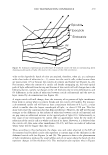
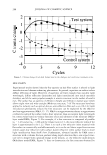
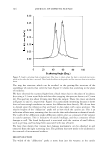
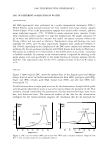
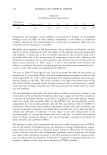
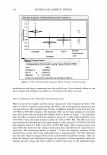
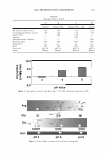
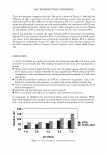
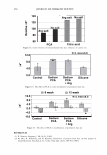
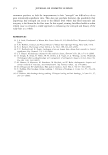
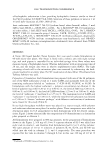
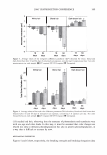
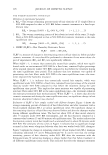
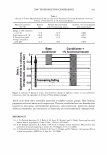
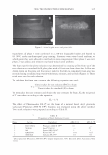
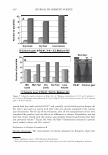
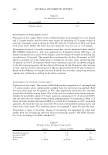
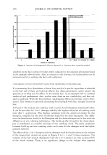
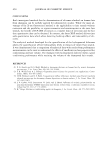
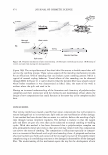
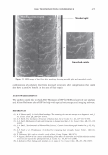
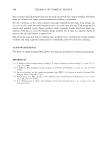
600 500 -.:- 400 "iii en .;: 300 C in 200 100 0 0 2006 TRI/PRINCETON CONFERENCE IO European shampoo - Caucasian hair ■ Asian shampoo - Japanese hair I Washing with SLES 3 5 5+SLES 5+2SLES Number of treatments 447 5+3SLES Figure 2. Amount of silicone deposited at hair strands repeatedly washed with an European shampoo and an Asian shampoo, determined by ICP-OES. 2,5 IO European shampoo - Caucasian hair ■ Asian shampoo - Japanese hair I Washing with SLES 2---- - -------- 'iii' fr 1,5 C en "iii 0 0 3 5 5+SLES 5+2SLES Number of treatments Figure 3. X-Ray fluorescence of hair strands treated as in Figure 2. 5+3SLES For the hydrogenated didecenes, GC-MS was selected. The quantification was done using hexadecane as internal standard. In Figure 4 the amounts of hydrogenated didecene are displayed versus the number of shampoo applications. A clear build-up effect can be seen, but the level of the emollients
Purchased for the exclusive use of nofirst nolast (unknown)
From: SCC Media Library & Resource Center (library.scconline.org)