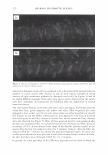
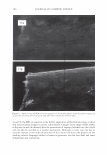
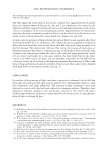
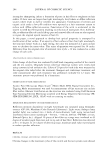
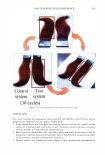
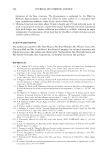
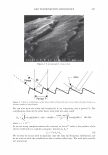
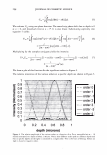
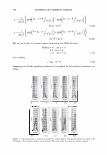
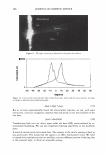
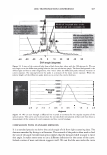
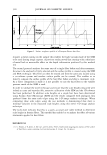
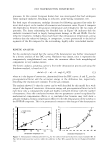
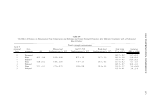
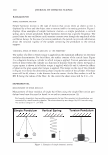
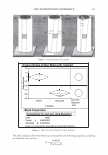
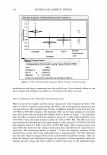
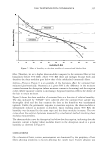
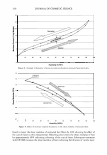
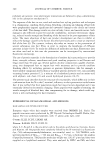
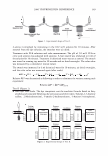
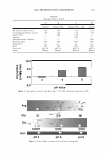
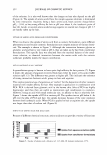
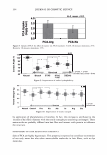
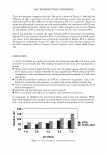
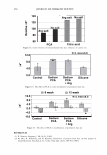
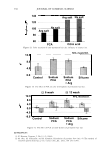
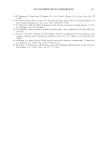
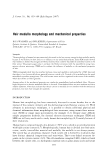
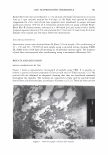
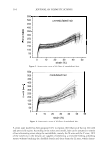
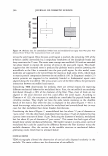
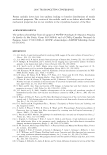
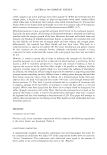
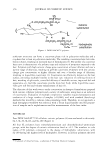
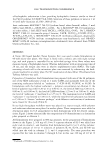
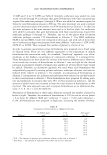
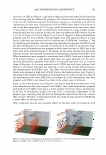
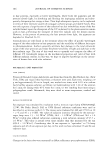
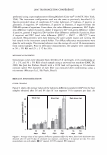
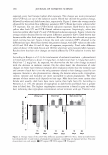
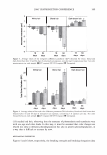
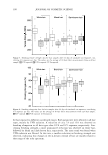
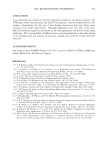
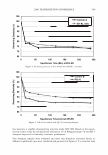
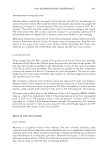
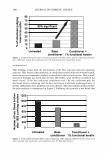
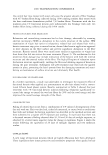
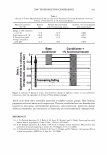
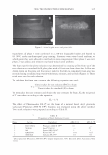
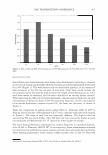
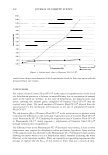
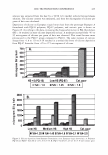
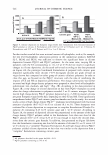
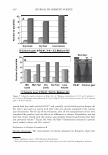
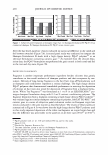
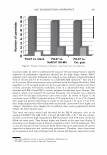
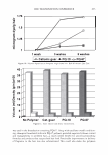
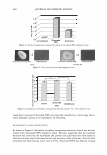
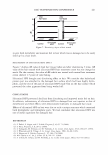
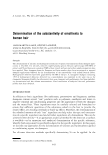
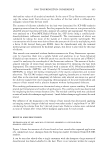
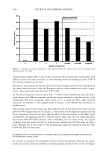
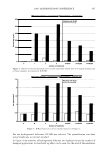
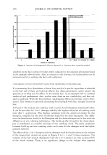
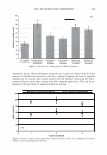
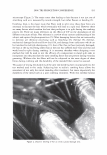
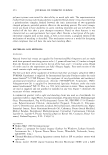
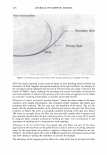
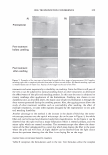
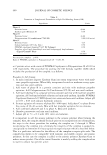
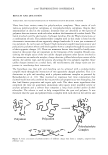
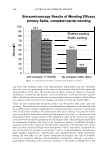
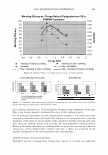
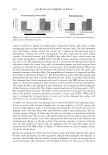
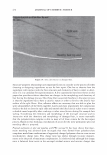
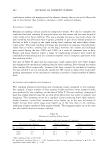
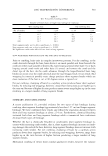
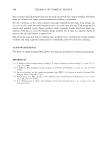
448 JOURNAL OF COSMETIC SCIENCE 60 -------- - - - - - ------ - - - - -w�as�h�in_g_w�i=�S�L�E=s th - - -- '.:' "iii .. so------------- - - - Cl 40------- - -- - --- - ciJ a GI GI � 30 ---- -- ------ -- "C "' C 2 20 "C , 10----- O+----- 0 Number of treatments 7 9x + 1 SLES 9x + 2 SLES 9x + 3 SLES Figure 4. Amount of hydrogenated didecene deposited at Caucasian hair repeatedly washed. adsorbed on the hair is about 10 times lower compared to the amounts of silicones found in the examples shown before. Also, in contrast to the silicones, the hydrocarbons can be removed easily by washing the hair with surfactant. COMPARISON OF THE SUSTANTIVITY DATA WITH PROPERTIES OF TREATED HAIR It is interesting for a formulator to know how much of a specific ingredient is adsorbed to the hair and if there are build-up effects, but these experiments cannot answer the question as to what are the effects to the treated hair. As an example how to correlate analytical and performance data, studies were done on wet combability and hair vol- ume in addition. With the first method, conditioning effects on wet hair can be deter- mined. Hair volume is especially interesting for all people with fine, straight Caucasian hair. In Figure 5 the residual wet combing work is given for all shampoos mentioned before. It can be seen that the 2-in-l shampoo exhibits the highest reduction of combing work even after 1 application. This finding correlates with the analytical results for this shampoo, compared to the level of silicones found for the other shampoos. The differ- ences in dimethicone levels for the European and the Asian shampoo are in line with the differences in wet combing performance. The build-up effect found for the Asian sham- poo is manifested as a further decrease of wet combing work. The same correlation between build-up and wet combing work can be seen for the shampoo with the hydro- genated didecene. The effects of the 2-in-l shampoo and the shampoo with the hydrocarbon on the volume of the treated hair strands are given in Figure 6 for 1, 3 and 5 times treatment. The volumes of the hair strands shampooed with the 2-in-l product are only at about 60% of the initial volume. There is no significant change in the volume after repeated

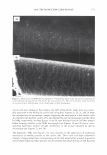
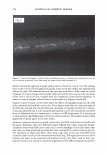
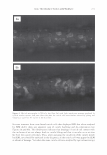
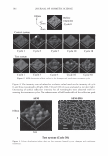
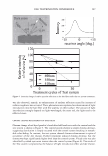
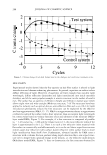
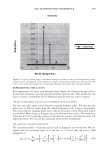
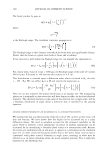
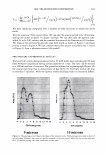
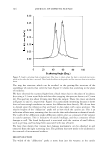
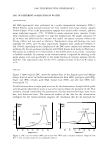
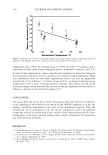
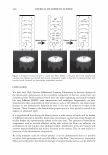
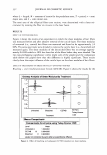
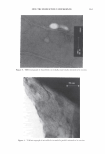
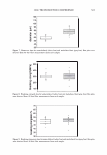
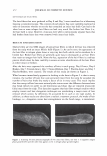
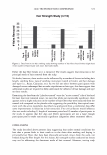
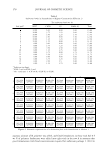
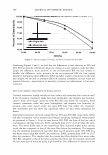
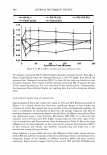
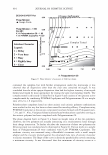
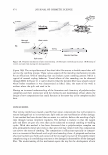
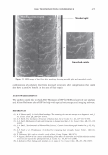
100 90 80 � 70 3: 60 50 3: 40 "iii 30 20 10 0 2006 TRI/PRINCETON CONFERENCE 2 in 1 shampoo European shampoo Asian shampoo (w. dimethiconol) with dimethicone Asian hair Caucasian hair 1x treatment Asian shampoo Asian hair 3x treatment Shampoo with Hydr. didecene 1x treament Figure 5. Residual wet combing work of different shampoos. 449 n=10 Shampoo with Hydr. didecene 3x treatment treatments. Again, these performance properties are in good accordance with the high amount of dimethiconol adsorbed to the hair, without changing the level at repeated shampooing. In contrast, hair strands washed with the shampoo containing the hydro- genated didecene retain their volume even after repeated application. This can be ex- plained by the low levels of emollient found on the hair. ■ Shampoo with Hydrogenated didecene ♦ 2 in 1 shampoo with Dimethiconol 120 ' 100 C 80 t- II ' I - ' .. 60 t '' .. 40 20 n=10 0 . . . . . 0 3 5 Number of treatments Figure 6. Relative volume of hair strands after repeated treatment with a 2-in-l shampoo and with the shampoo containing hydrogenated didecene.
Purchased for the exclusive use of nofirst nolast (unknown)
From: SCC Media Library & Resource Center (library.scconline.org)