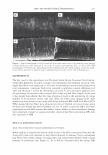
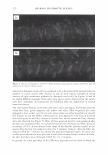
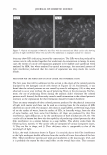
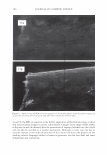
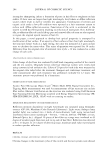
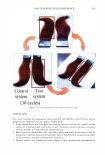
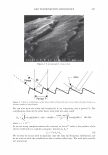
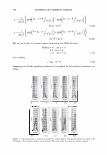
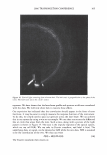
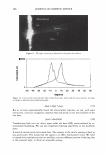
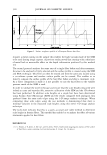
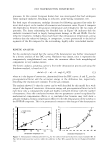
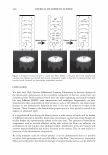
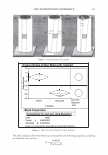
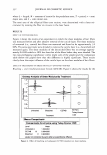
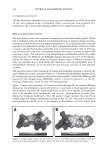
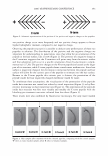
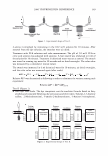
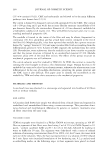
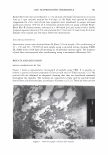
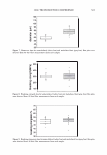
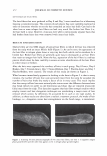
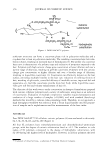
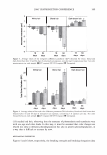
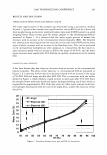
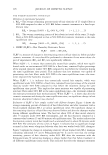
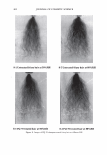
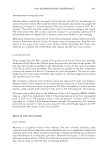
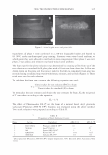
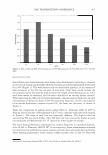
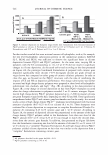
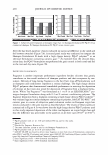
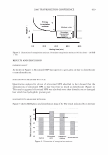
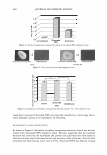
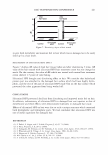
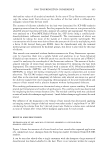
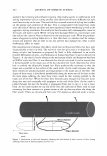
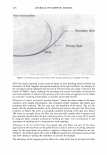
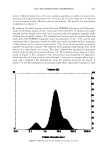
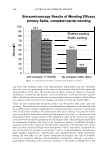
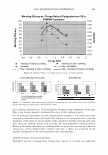
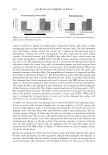
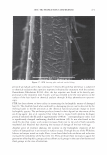
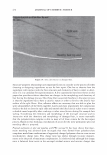
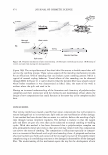
452 JOURNAL OF COSMETIC SCIENCE oxidative hair coloring and permanent waving. Also styling agents in combination with styling implements such as curling and flat irons allows one to have a different hair style even from one day to the next. The result of this increased amount of styling has its effect on the quality and condition of the hair. This is compounded with longer hair styles since the ends of the hair are older and have experienced more weathering as well as the aggressive styling treatments. Eventually the hair becomes dull, unmanageable, coarse to the touch, and hard to comb. When viewing these damaged fibers on a microscopic scale one realizes the cause of what is observed on the macroscopic scale. With the predomi- nance of aggressive styling behaviors it is clear that there is a market need for compo- sitions and products that are able to not just prevent hair damage but, what is more challenging, affect its repair. One manifestation of damage that affects whole hair attributes are fibers that have split longitudinally at their tip ends. The technical term for split ends is trichoptilosis. The theory of split end formation as proposed by Swift is fully elaborated in an article entitled Mechanism of split--end formation in human head hair (3) and is depicted in Figure 1. A clue that led to the theory on the mechanism of split end formation was from an SEM of a split end fiber. It was observed that the split occurred in such a manner that it formed parallel to the major axis of the hair diameter (4). Swift theorized that when hair is combed the elliptically shaped hair fibers preferentially orientates so that the major axis is parallel to the surface of the comb tooth. As the comb traverses the hair, shear stresses are produced parallel and longitudinal to the major axis of the fiber. The degree of shear stress is distributed parabolically along the minor axis of the hair so that the shear plane suffering the most shear stress would be that running parallel to the major axis of the hair. When the shear force becomes great enough tiny fractures occur along this axis and eventually will propagate to the end of the fiber. As the comb is pulled through the hair the bending is propagated from root to tip it is not a static bend. As the comb reaches the tip end of the tress the collection of fibers tend to snarl increasing the shear stresses to a greater extent at the tip than anywhere else along the fiber length. Fibers are dynamically bent over 180 degrees as observed under a stereo- Shear stress y axis Figure 1. Mechanism of split end formation showing the distribution of shear stresses in fiber during combing. Depiction of theory proposed by Swift (3).

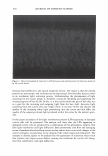
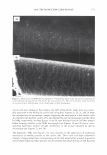
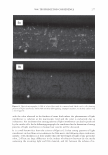
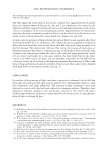
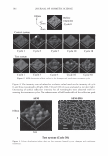
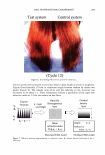
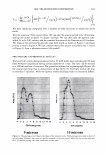
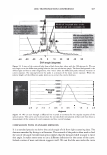
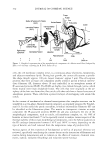
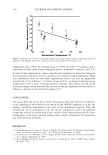
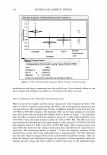
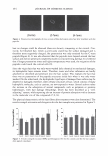
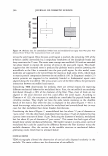
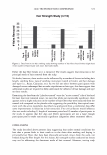
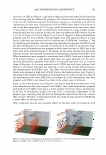
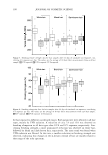
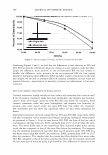
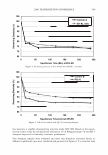
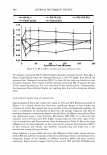
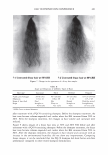
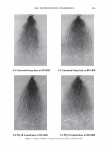
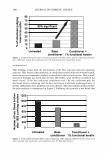
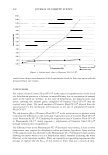
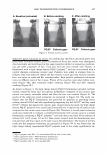
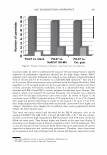
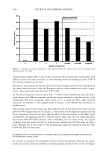
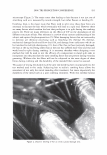
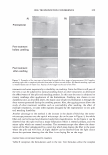
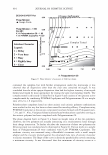
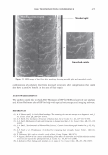
2006 TRI/PRINCETON CONFERENCE 453 microscope (Figure 2). The major stress then leading to hair fracture is not just one of stretching such as is measured by tensile strength, but rather flexure or bending (5 ). Combing, then, is the major route that fibers tend to split since these shear forces are necessary to fracture the hair which eventually will lead to a split end. However there are many factors which weaken the hair that predispose it to split during the combing process (6). There are many references on the effects of UV on the degradation of the different structures of hair. One reference is a review of our current understanding of the subject and options for photoprotection (7). Other damaging factors that are noteworthy to mention are chemical processing such as bleaching (8), thermal (9), thermal- mechanical damage (brush and blow dry) (10), and damage from surfactants which can be translated to multiple shampooing (11). Even if hair has not been purposely damaged, the hair at the tip end being older than at the root has suffered more wear and tear and would tend to split during combing. It is necessary therefore when designing a test method that will be used to test the efficacy of a composition to mend split ends to incorporate into the procedure the same combing forces that are present during everyday grooming. Without this the fibers will not be subjected to the same degree of shear forces during combing and the durability of the mended fiber cannot be assessed. This aspect of testing the durability of the split end mend has been incorporated into the test method used in this study. Subjecting hair to realistic combing forces allows the assessment of not only the initial mending after treatment, but more importantly the durability of the mend such as a post combing treatment. With this method various Figure 2. Dynamic bending of hair as comb is passed through cress.
Purchased for the exclusive use of nofirst nolast (unknown)
From: SCC Media Library & Resource Center (library.scconline.org)