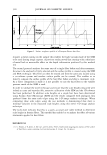
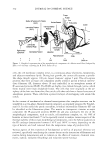
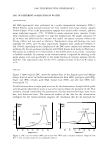
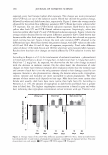
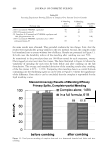
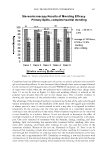
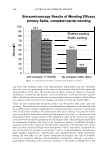
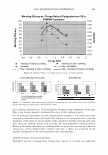
478 JOURNAL OF COSMETIC SCIENCE impact loading of one hair fiber over another which causes breakage at loads lower than tensile break loads, and breakage occurs at the hair-to-hair contact point with essentially no increase in hair length (strain) versus normal tensile loading which produces large strain increases (1,2). But, short segment breakage involves the wrapping of distal ends of hairs around comb teeth as shown by (1,2), thus increasing the end-peak force and with continued combing the ends are damaged more and more ultimately producing an increasing number of short segment breaks. The purpose of this current investigation was to re-examine the cut-off between short and long segment breakage, to investigate the effects of bleaching and conditioning on short and long segment breakage by both hand combing and by mechanical combing of hair tresses, to compare wet and dry combing effects and to develop a better under- standing of how hair snags form during combing. EXPERIMENT AL TRESS MAKING AND PREP ARA TI ON Tresses were made using six grams of 12 inch dark brown Italian hair from DeMeo Brothers, New York, NY for hand combing over the bottom 6 inches (� 15 cm) of the tresses. To produce approximately the same comb stroke distance over the same portion of hair in mechanical combing, 5 grams of 9.75 inch (25 cm), (2.25 inches (5.7 cm) was cut off from the root end of this same 12 inch (30.5 cm) hair tress) dark brown Italian hair was used for making tresses. The tresses were washed with a commercial cleaning shampoo based on sodium laureth sulfate and then dried and carefully detangled both wet and dry using a wide toothed comb. For both mechanical combing and hand combing, some of these tresses were bleached for 45 minutes with product from a commercial bleaching kit containing a peroxide persulfate mixture and then the bleaching agent was carefully rinsed out and the tresses hung up to dry. These bleached tresses were carefully detangled and washed again with the commercial cleaning shampoo and some of these tresses were air dried after detangling and others treated with a commercial hair conditioner, rinsed with tap water, detangled and hung up to dry overnight. HAND COMBING Dry hand combing was at 60 ± 2% RH and room temperature. Prior to combing for collecting hair fragments, the tresses were carefully detangled (10 comb strokes) with a wide tooth comb. The tresses were then combed 25 comb strokes at a rapid comb stroke rate using the fine tooth part of an ACE all purpose comb (#61286) starting each comb stroke at approximately six inches (15 cm) from the tip end of the tress and the broken hair fragments were collected on a large 18 x 24 inch (46 x 61 cm) piece of white poster board and separated by size into groups of less than 1 inch (2.54 cm) length, 1 inch to 2.5 inches (2.5 to 6.4 cm), 2.5 to 5 inches (6.4 to 12.7 cm) and longer than 5 inch lengths (12.7 cm) and the hair fragments in each group counted. Separate combs were used to avoid transfer of conditioner or surface ingredients between tresses. The tresses were combed a 2nd , 3rd and 4th time at 25 comb strokes each for a total of 100 comb

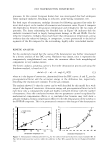
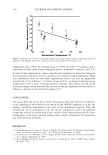
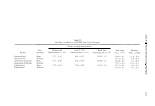
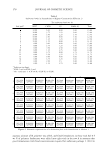
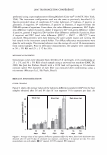
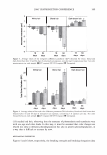
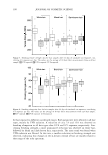
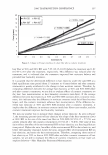
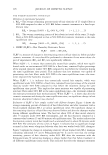
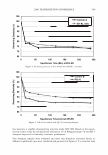
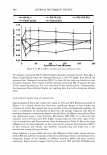
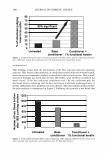
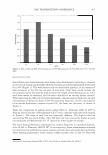
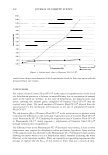
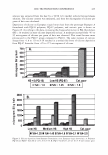
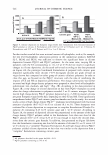
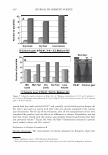
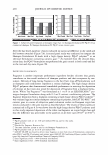
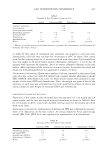
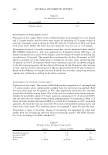
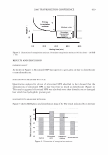
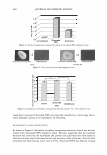
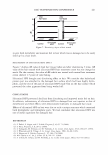
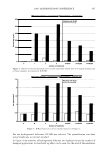
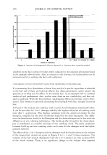
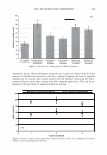
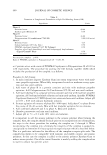
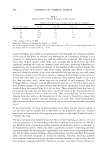
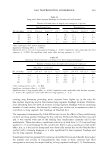
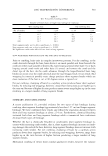
2006 TRI/PRINCETON CONFERENCE 479 strokes per tress and the fragments collected by size and counted. The data was analyzed statistically by a modeling program from Statistical Analysis Systems (3). A similar procedure was followed for wet combing with the following changes. Each tress was washed with the commercial cleaning shampoo on the previous day and detangled with a comb when wet. The following day one tress was wet with water under the tap and placed in 125 ml of tap water (American Water Co.) in a 250 ml beaker for 2 minutes and then the water squeezed out between the forefinger and thumb into the beaker and the tress combed 10 comb strokes starting the combing at the mid-point of the tress. Broken hairs were removed from the tress onto an 18 x 24 inch piece of white fiber board and then the tress was combed another 15 comb strokes and all hair fragments carefully removed from the comb and then the tress was dipped into the beaker with water and swirled and water and hair removed by squeezing with the fingers 3 times to remove small broken hair clinging to the hair tress. The beaker was allowed to stand for at least 3 minutes, then the small hairs generally less than 0.64 cm (1/4 inch) were counted in the beaker. Hairs were separated by size 0.64, 1.27, 2.54, 6.35, 12.7 cm and counted. Each tress was combed a 2nd 3rd and 4th time, as above separating and counting the hairs by size in the same manner. The data from all combing experiments was analyzed statistically by a modeling program from Statistical Analysis Systems (3 ). MECHANICAL COMBING The tresses were detangled carefully using a wide tooth comb (separate combs used to avoid transfer of conditioner or surface ingredients between tresses) and stored prior to mechanical combing. The tresses were combed (at 60 to 65% RH and room temperature) at a comb stroke rate of 80/min for 1000 or 2000 comb strokes using the fine toothed portion of an ACE all purpose comb [(#61286) (same as for hand combing using separate combs per tress)} and the broken hair fragments were collected and saved for counting. The data was analyzed statistically by a modeling program from Statistical Analysis Systems (3). RES UL TS AND DISCUSSION HAND COMBING The data of Table I confirms the conclusions from the earlier study showing more short segment hair fragments ( 2.54 cm) than long segment fragments (2.54 cm) and an increase in short segment breakage with increasing comb strokes (1). These data versus the previous data also show a better cut-off between long and short segment breakage at 2.54 cm (1). An increase in short segment breakage occurs with increasing combing damage near the ends of the hair fibers resulting in an increase in the number of short segment breaks, but a similar effect does not occur for long segment breakage, that is the number of long segment breaks does not increase with an increasing number of comb strokes. This effect confirms the previous finding and suggests a different mechanism for long versus short segment breakage as suggested in the previous publication (1). Short
Purchased for the exclusive use of nofirst nolast (unknown)
From: SCC Media Library & Resource Center (library.scconline.org)