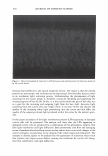
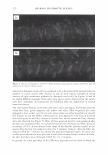
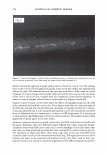
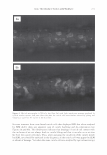
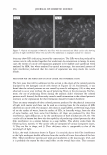
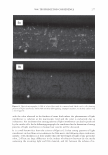
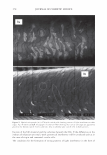
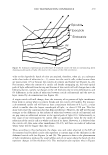
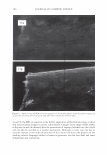
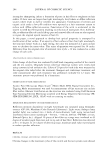
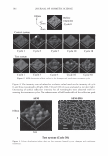
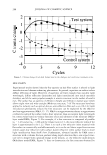
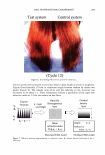
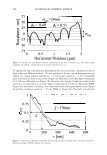
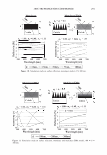
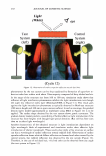
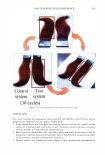
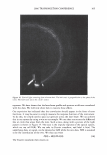
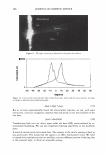
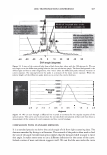
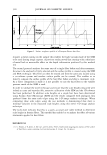
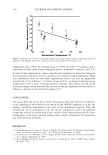
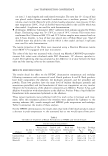
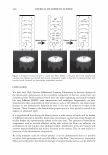
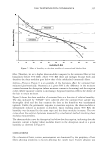
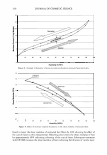
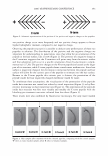
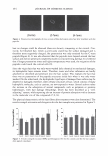
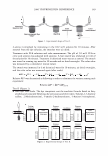
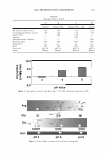
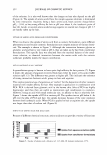
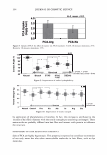
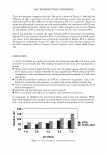
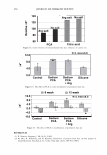
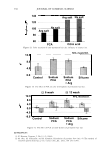
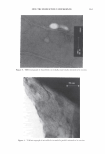
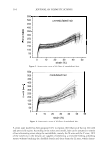
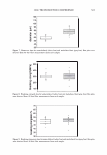
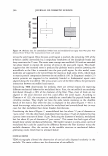
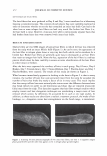
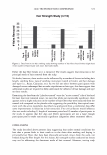
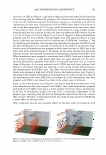
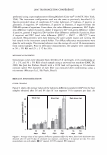
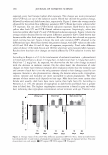
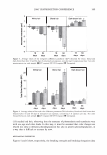
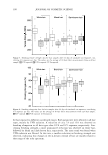
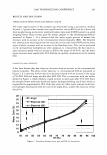
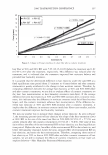
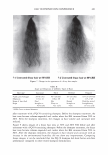
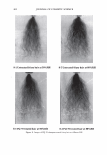
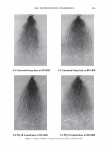
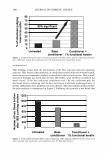
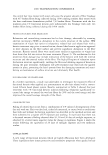
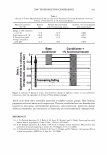
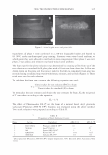
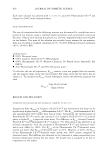
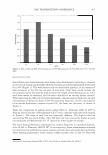
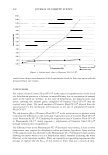
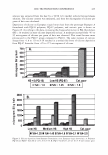
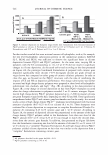
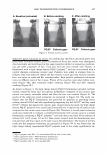
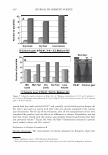
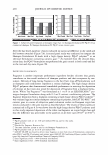
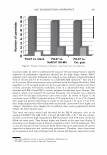
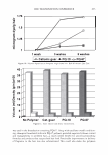
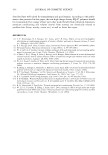
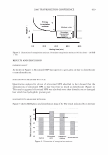
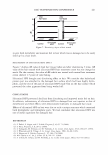
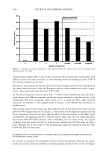
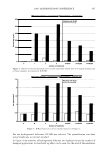
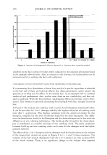
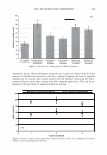
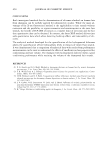
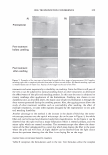
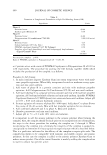
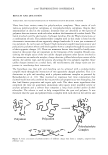
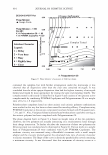
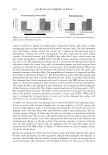
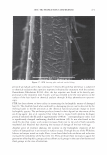
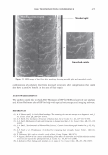
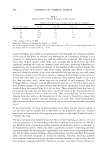
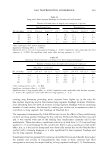
2006 TRI/PRINCETON CONFERENCE system system (30 cycles) Figure l3. Vivid appearance of red dyed hair from any angle. CONCLUSION 293 For a goal to make hair appearance more beautiful and healthy, control of hair optical property was examined by hair surface modification. 1. Finer uneven structures than light wavelength were succeeded to be formed on hair surface by a shampoo and conditioner system. Formation of the structure, composed of fatty alcohol, was controlled by amino-silicone. 2. Both colors of natural hair and dyed hair were confirmed to be more vivid by formation of the fine structure on hair fiber surface. Furthermore, a long lasting effect of the vividness was al.so confirmed for dyed hair. 3. Optical studies and simulation studies showed light introduction phenomena by

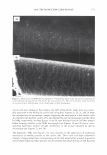
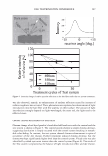
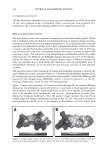
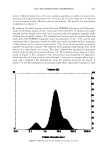
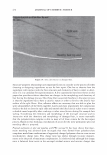
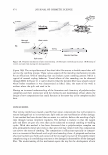
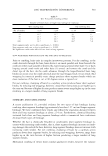
294 JOURNAL OF COSMETIC SCIENCE formation of the finer structure. The phenomenon is explained by the Effective Medium Approximation as super-low refractive index surface. It is considered that light introduction enhances colors of the inside of hair fiber. 4. Obtained structure sizes were about 50 nm in height and 170 nm in lateral space. In such a size range of structure, a light with shorter wavelength was more introduced than with longer one. Surface reflection was shifted to reddish, realizing an angle independent vivid appearance of red dyed hair by the effects of light introduction and reddish surface reflection. ACKNOWLEDGMENTS The authors are grateful to Mr. Dave Muenz, Ms. Bryer Heather, Ms. Weaver Conni, Ms. Christine Hall and Ms. Linda Baird, Kao Brands Company, for technical assistance and helpful discussion. The authors also thank to Dr. Naohisa Kure, Mr. Hiroyuki Saijou and Mr. Satoshi Onitsuka, Kao Corporation, for helpful discussion and guidance. REFERENCES (1) R. F. Stamm, M. L. Garcia and J. J. Fuchs, The optical properties of human hair. Fundamental considerations and goniophotometer curves,]. Soc. Cosmet. Chem., 28, 571-599 (1977). (2) R. F. Stamm, M. L. Garcia and J. J. Fuchs, The optical properties of human hair. The luster of human hair fibers,]. Soc. Cosmet. Chem., 28, 601-609 (1977). (3) F. Wakui, Z. Shinjou, T. Ikeuchi and N. Uchino, Study concerning the luster of human hair,]. Soc. Cosmet. Chem. Jpn., 21(2), 156-161 (1987). (4) S. Nagase, S. Shibuichi, K. Ando, E. Kariya and N. Satoh, Influence of internal structure of hair fiber on hair appearance. I. Light scattering from the porous structure of the medulla of human hair,]. Cosmet. Sci., 53, 89-100 (2002). (5) S. Nagase, N. Satoh and K. Nakamura, Influence of internal structure of hair fiber on hair appearance. II. Consideration of the visual perception mechanism of hair appearance.]. Cosmet. Sci., 5 3, 387-402 (2002). (6) M. Okamoto, R. Yakawa, A. Mamada, S. Inoue, S. Nagase, S. Shibuichi, E. Kariya and N. Satoh, Influence of internal structure of hair fiber on hair appearance. III. Generation of light-scattering factors in hair cuticles and the influence on hair shine,]. Cosmet. Sci., 54, 353-366 (2003). (7) C. G. Bernhard, Structural and functional adaptation in a visual system, Endeavour, 26, 79 (1967). (8) P. B. Clapham and M. C. Hutley, Reduction of lens reflection by the Moth Eye principle, Nature, 244, 281-282 (1973). (9) P. Vukusic and J. R. Sambles, Photonic structures in biology, Nature, 424, 852-855 (2003). (10) J. Springer, A. Poruba and M. Vanecek, Improved three-dimensional optical model for thin-film silicon solar cells,]. Appl. Phys., 96(9), 5329-5337 (2004). (11) J. Springer, B. Rech, W. Reetz, J. Mueller and M. Vanecek, Light trapping and optical losses in microcrystalline silicon pin solar cells deposited on surface-textured glass/ZnO substrates, Sol. Energy Mater. Sol. Cells, 85(1), 1-11 (2005). (12) S. Yamaguchi, Material for deep and vivid color dyeing, SEN'! GAKKAISHI, 40(1-5), .122-324 (1984). (13) T. Sato, N. Nakashima, N. Kyochika and K. Katabe, Shade Enhancement of Textiles, SEN'! GAK- KAISHI, 44(7), 37 (1988). (14) S. Yamaguchi and H. Takanabe, Relation between surface roughness and coloration of silica hybrid polyester fibers, SEN'! GAKKAISHI, 57(4), 126-132 (2001). (15) D. A.G. Bruggeman, Calculation of physical constants of heterogeneous substances, Ann. Phys. (Leipzig), 24, 636 (1935). (16) S. Yoshida and H. Yajima, Optical Thin Films and Devices, University of Tokyo Press, Tokyo, Japan (1994). (17) D. Stroud, The effective medium approximations: Some recent developments, Supperlattices and Mi- crostructures, 23(3), 567-573 (1998).
Purchased for the exclusive use of nofirst nolast (unknown)
From: SCC Media Library & Resource Center (library.scconline.org)