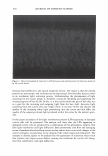
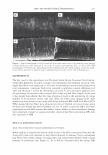
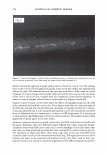
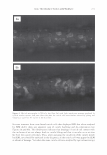
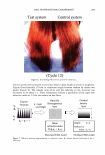
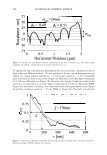
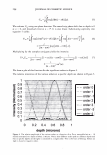
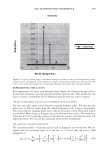
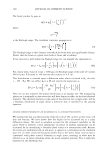
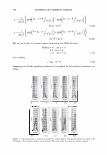
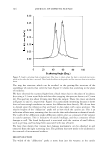
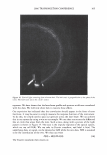
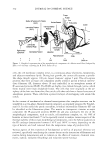
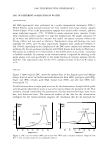
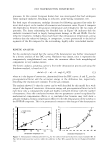
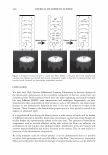
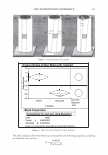
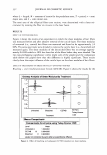
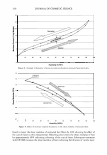
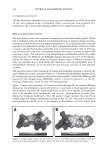
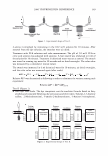
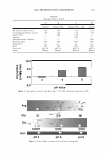
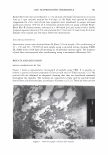
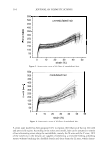
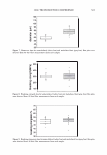
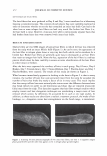
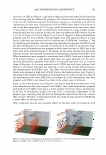
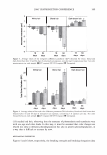
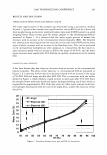
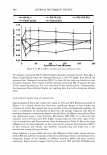
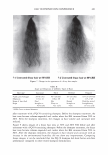
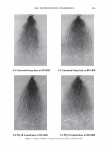
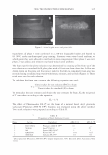
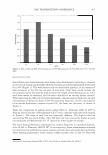
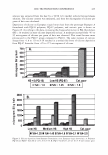
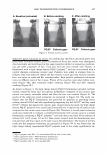
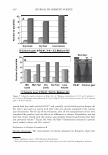
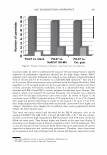
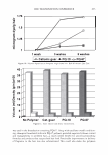
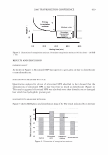
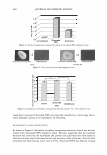
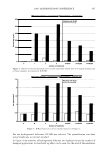
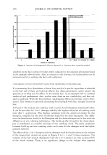
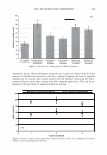
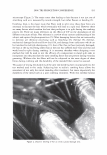
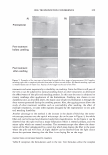
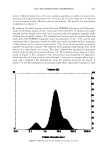
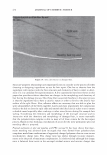
2006 TRI/PRINCETON CONFERENCE 303 I = � sin2 a { ERF('i +28/ vi)-SGN(Y.)ERF('JGN('J/ vi)}· coca! .L.J ( . ) 2 CJ 2 '=z CJ 2 i=O O'. - t1T (15) We have implicitly integrated over a number of delta functions to obtain the above result. We plot equation 15 for typical values. We can take the grating period to be 10 microns, spacing the orders at about 3.6 degree intervals. We can then take the aperture half- width, 8, to be 0.03 radians, and the standard deviation of the Gaussian as 0.01 radians. The shape of the central peak depends upon both depth, as shown in Figure 7, and upon period, as seen in Figure 8. We can compare these plots against actual data that is traced in Figure 9, from a photogoniometer (old model). PRELIMINARY EXPERIMENTAL RESULTS We have built a new photogoniometer with a 65 mW diode laser (wavelength 658 nm) from Newport Corporation having a beam diameter of 1 mm. The laser can be focused to a 100 micron lens, if required. The power has allowed us to photograph (Figure 10) the conical scattering that is characteristic of hair fibers (4). The light within the ring is considered "specular", while the light at smaller and larger radii is considered diffuse. a.. E C -4 -2 a 2 4 a a 10 12 14 1a Shift (degrees) 9 microns -4 -2 o 2 4 a a 10 12 14 1e Shift (degrees) 10 microns Figure 8. The grating period impacts the shape of the intensity curve. Both gratings were taken to be 0.15 microns deep. However, the curve on the left assumed a 9 micron period, while the one on the right was for a 10 micron grating. All other conditions are the same.

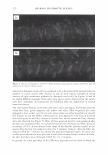
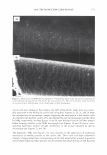
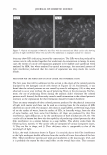
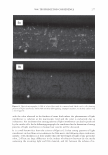
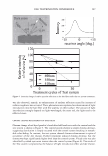
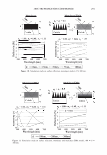
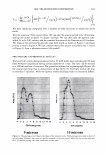
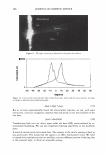
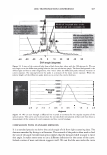
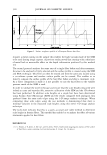
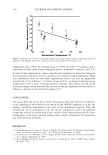
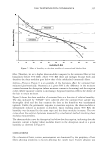
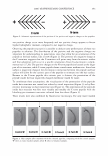
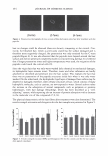
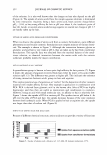
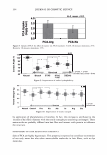
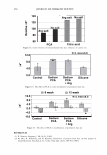
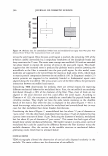
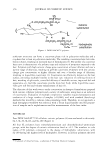
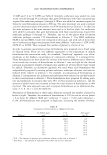
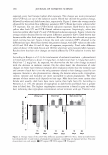
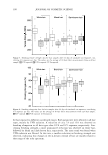
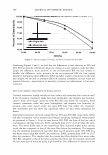
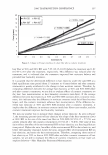
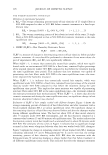
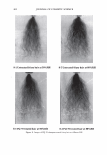
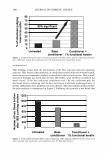
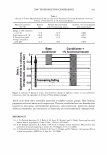
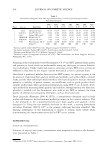
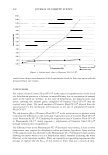
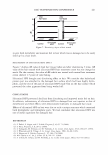
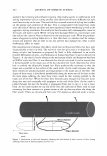
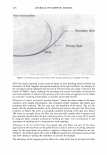
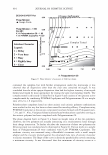
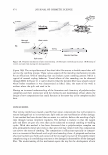
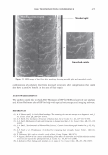
304 JOURNAL OF COSMETIC SCIENCE 0.30 0.25 7n 0.20 ::, 0.15 0.10 ..5 0.05 0.00 0 20 40 60 80 100 Scattering Angle (Deg.) Figure 9. Light scattering from a human hair. One trace is taken when the hair is oriented root-to-tip, while in the other the hair is reversed. Note both the ofhets in the peaks, and the structure that exists within them. The ring has structure which can be ascribed to the grating-like structure of the assemblage of cuticles that cover the hair. Figure 11 shows this scattering in the plane of incidence. We have observed the scattered light from a black Asian hair in the plane of incidence first using a 2.3-mm round hole and then after stepping the aperture down to a 0.5-mm slit. The aperture was about 40-mm away from the sample. These two traces are shown in Figures 12 and 13, respectively. Figure 13 is particularly interesting because it shows that we have enough resolution to extract the diffraction data directly. We do not have to depend upon the inferences that are found in data taken with coarse apertures. The relative heights of the "diffraction" peaks tell us how thick the cuticles are. This is an indication of hair wear assuming that the cuticles thin with abrasion or chemical attack. The width of the diffraction peaks (diffraction orders) gives us a measure of the variance in cuticle exposure. This is indicative of cuticle breakage, and thus a measure of hair damage as well. The broad background is associated with the creation of small defects, such as pitting, and has long been associated with loss of luster. We have thus shown that various hair damage mechanisms can be observed in and extracted from the light scattering data. The problem that now needs to be addressed is the removal of instrumental artifacts. DECONVOLUTION The width of the "diffraction" peaks 1s more than just the variance rn the cuticle
Purchased for the exclusive use of nofirst nolast (unknown)
From: SCC Media Library & Resource Center (library.scconline.org)