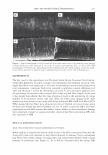
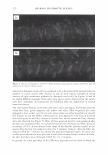
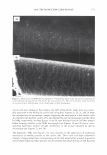
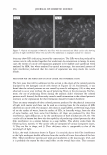
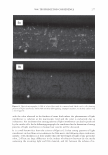
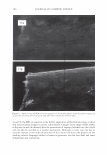
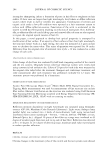
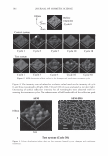
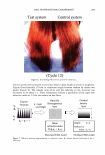
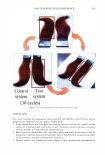
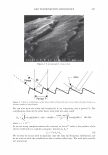
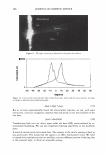
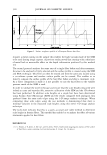
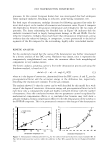
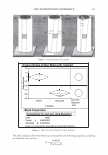
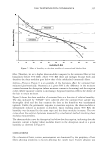
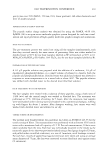
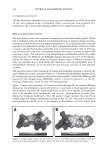
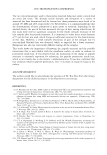
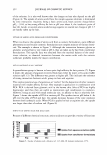
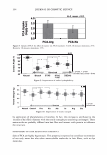
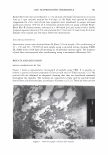
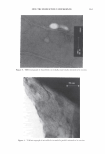
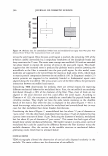
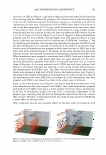
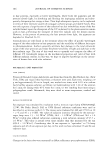
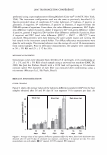
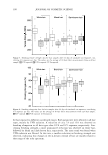
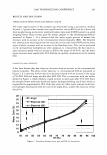
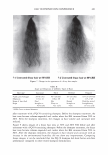
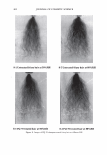
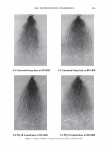
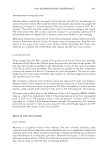
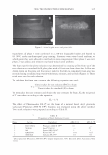
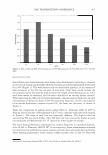
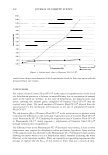
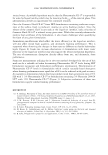
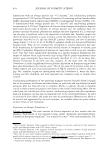
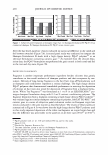
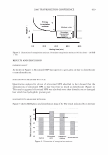
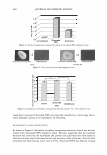
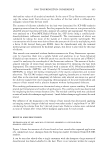
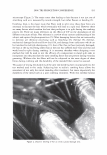
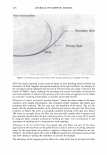
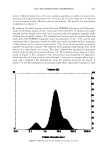
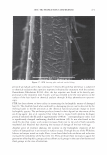
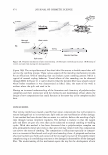
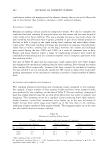
2006 TRI/PRINCETON CONFERENCE 271 Figure 2. Optical micrographs (x350) (2a and 26) of hair fibers with cuticle cells showing strong patterns of light interference after subjected to 20 cycles of tension and retraction. Figs. 2c and 2d are SEM micrographs (x350) showing cuticle lifting and de-cementation of areas shown in Figs. 2a and 26, respec- tively. Circles and lines in captions help ro identify position of same cuticle cells in both pictures. EXPERIMENT AL The hair used in the experiments was Premium Grade Brown Caucasian from Interna- tional Hair Importers. In order to induce de-cementation and buckling of cuticle cells, single hair fibers were subjected to 20 cycles of mechanical extension and retraction at room temperature conditions. Each cycle consisted in applying a tensile deformation of 20% and allowing 1 second for deformation recovery. In all consecutive applied cycles the percentage of extension didn't exceed 20% of the original fiber length. In the past it has already been shown that this type of protocol leads to the production of a large number of de-cemented cuticle cells (12). After the fibers were damaged they were analyzed by optical microscopy using a Hi-Scope Advanced KH-3000 from Hirox LTD. When needed the hair fibers were subjected to cycles of thermal or torsion stresses using the protocols already described elsewhere (13,14). In order to asses the effect of solvent penetration on the LIPs various hair fibers, either, before or after mechanical damage were immersed in water or isopropyl alcohol. Areas of hair fibers presenting LIPs were also analyzed by SEM. RES UL TS AND DISCUSSION MAIN CHARACTERISTICS OF LIGHT INTERFERENCE PATTERNS Before making a detailed description of the results it should be mentioned here that the strong LIPs were only observed on hair fibers subjected to damage. Virgin undamaged hair fibers were always absent of strong LIPs and instead they showed weak colored patterns of iridescence (see Figure 1). As it will be discussed later the strong LIPs

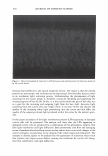
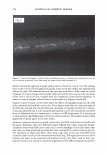
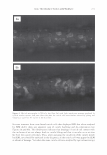
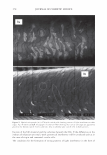
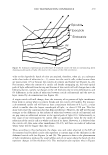
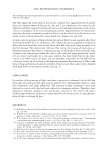
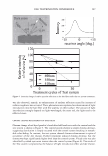
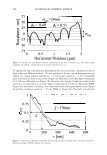
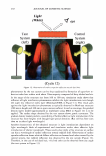
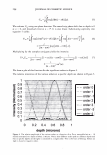
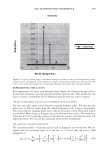
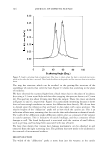
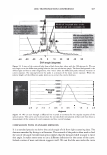
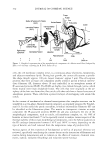
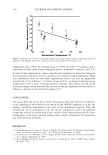
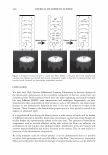
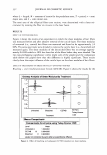
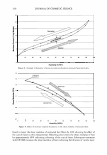
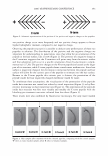
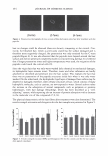
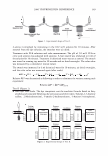
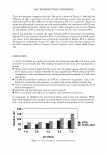
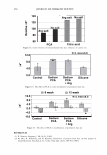
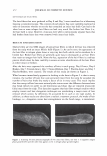
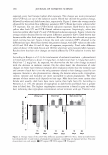
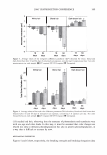
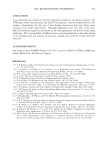
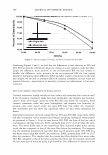
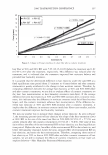
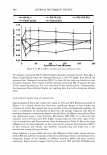
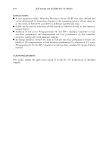
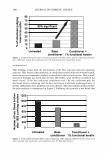
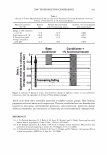
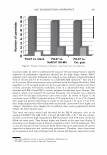
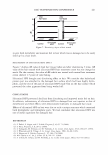
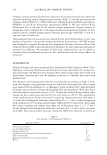
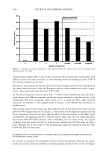
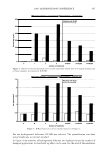
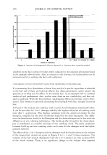
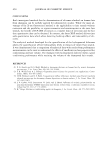
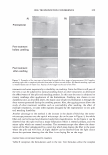
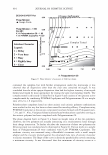
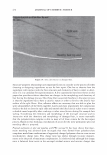
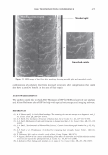
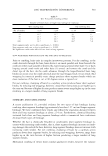
272 JOURNAL OF COSMETIC SCIENCE Figure 3. Optical micrographs (x370) of hair fibers showing strong patterns of light interference after the application of cyclical tension stresses. observed in damaged cuticle cells is considered to be a distortion of the natural iridescent patterns in virgin cuticles cells. Figures 2a and 26 show typical examples of strong patterns of light interference produced by damaged cuticle cells. In Figures 2c and 2d are shown SEM micrographs of the same areas and it can be observed that the cuticle cells have undergone de-cementation and buckling after the application of cyclical extension stresses. The most salient features in the LIPs were their colors and shapes. Commonly observed colors were blue, green, magenta, red, yellow, and white. Most frequently the colors appeared in lines, either, very thin or wide, whose shape was either hyperbolic or straight (see Figures 3a and 36). Other colored patterns that appeared in the form of localized dots (see Figures 4a and 46), clusters of colored dots, and as narrow and long channels were also observed (see Figure 5). Most of these punctual patterns were produced after the hair was subjected, either, to cyclical thermal stresses of wetting and blow drying or to torsion (12-13). It was observed that many of the dot-like patterns tended to dis- appear after the hair was soaked in water for 5 minutes, however, after the fiber was soaked in IPA for 3 minutes the colored dot patterns reappeared again. In many cases similar punctual patterns were observed in hair fibers obtained from common individu- als after the fibers were immersed in IPA for 1 or 2 minutes. In general, the color and shape of the LIPs were dependent on the form in which the
Purchased for the exclusive use of nofirst nolast (unknown)
From: SCC Media Library & Resource Center (library.scconline.org)