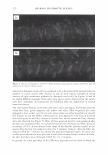
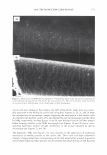
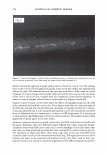
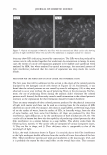
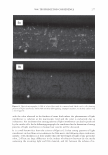
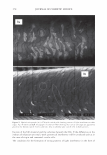
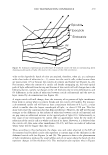
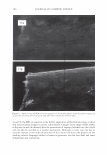
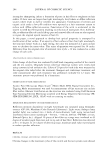
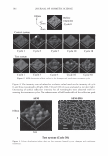
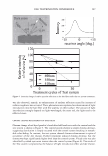
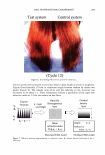
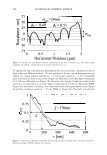
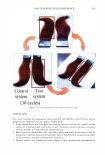
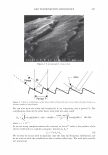
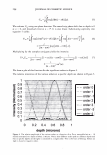
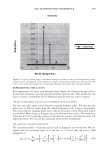
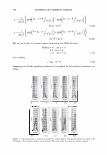
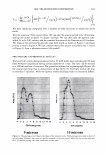
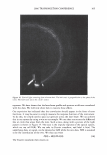
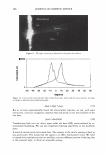
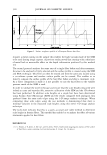
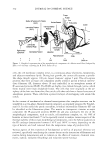
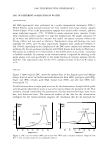
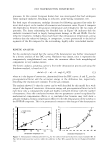
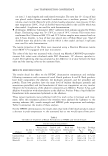
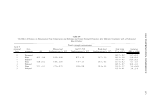
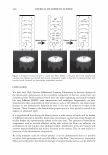
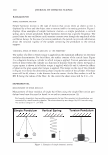
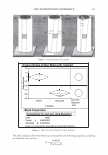
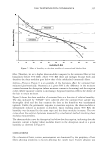
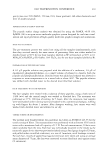
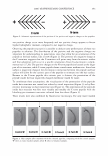
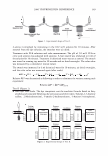
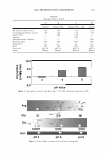
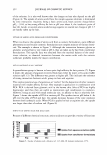
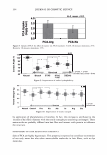
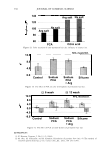
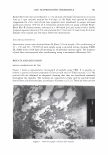
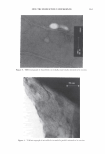
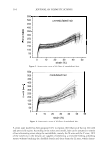
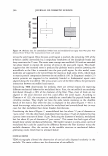
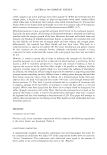
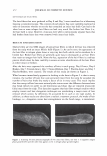
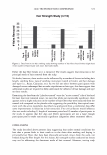
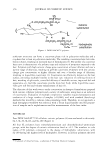
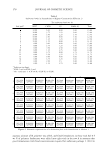
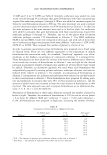
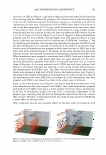
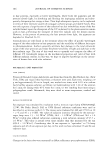
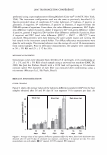
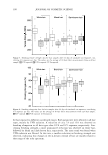
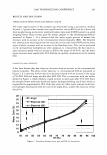
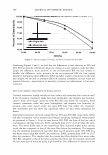
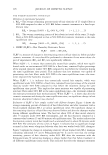
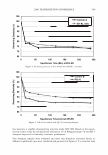
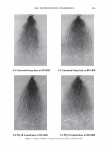
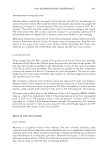
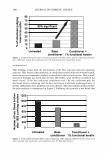
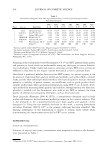
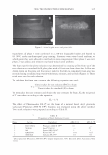
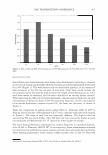
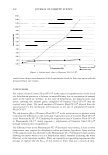
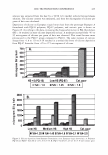
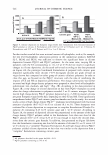
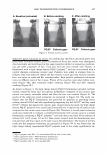
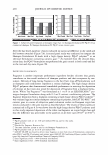
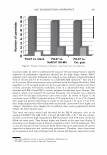
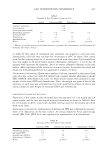
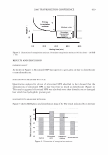
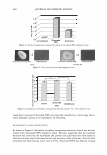
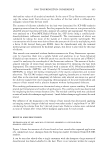
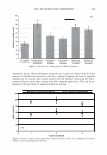
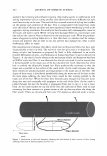
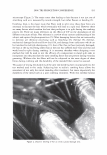
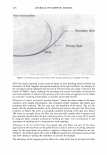
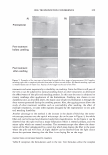
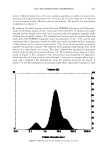
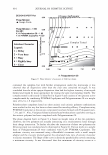
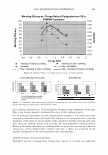
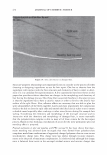
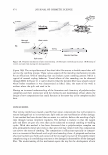
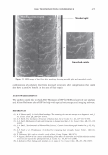
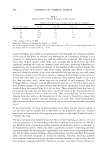
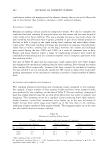
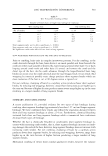
2006 TRI/PRINCETON CONFERENCE Figure 2. Torsional shear of a cylinder. = . .,. . .... .,,..,.,.,,..,. .. ""'", .,�..,_,......,. ,. . .,.. ,,,__, .,.,.,.. . .. ....,,,.,...,,.y.,,,.,.,.. .,,.,..,,.�., ,,, ... ,,, ... , -�-.,,,,,,,,.,...,.__,. , .,,..,,.,., ,. ' I Oneway Analysis of Shear Modulus By_Treatment________ -···-------··-,,··-··--·--··· (/) :::I 1.2....------------------....-----------, 1.1 -g 0.9 0 ffi 0.8 en 0. 7 0 0.6 0.5 ........ ---------.---------........---------J Control Treatment t Means Comparisons Decuticled Each Pair Student's t 0.05 i Comparisons for each pair using Student's t Level Control A Decuticled Mean 0.99676000 B 0.62470000 Levels not connected by same letter are significantly different. Figure 3. Effect of cuticle abrasion on shear modulus. 331 The shear modulus (G) of the fiber was calculated by the following equation, assuming an elliptical cross section. lfrrrLM G =------ T 2 (a3b + ab3)

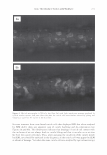
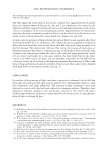
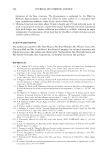
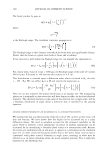
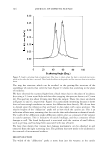
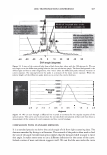
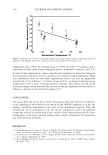
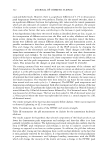
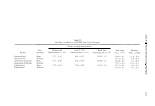
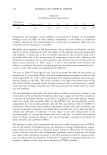
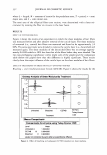
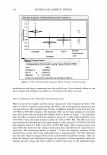
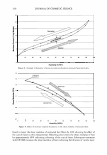
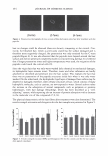
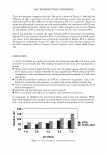
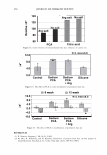
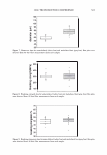
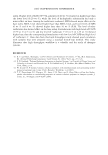
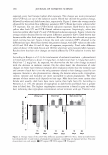
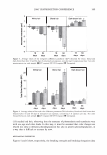
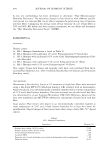
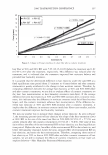
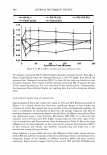
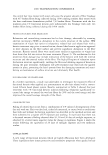
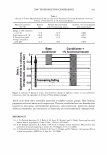
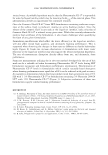
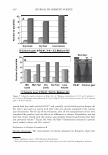
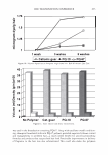
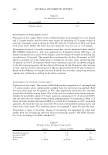
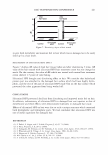
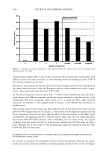
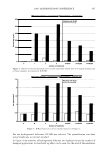
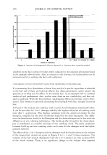
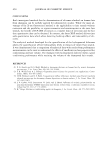
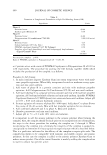
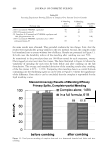
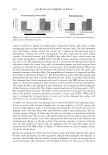
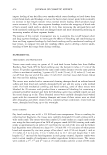
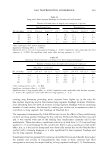
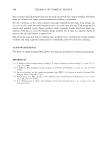
332 JOURNAL OF COSMETIC SCIENCE where L = length, M = moment of inertia for the pendulum mass, T = period, a = semi major axis, and b = semi minor axis. The semi axes of the elliptical fiber cross section, were determined with a laser mi- crometer by rotating the fiber on its axis in the laser beam. RESULTS EFFECT OF CUTICLE REMOV Al Figure 3 shows the results of an experiment in which the shear modulus of hair fibers was measured before and after abrasive removal of the cuticle layer. The shear modulus of untreated (i.e., control) hair fibers was measured and found to be approximately 1.0 GPa. The same specimens were abraded to remove the cuticle layer (i.e., decuticled) and measured again. The shear modulus of the decuticled fibers was on average approxi- mately 0.6 GPa which is 40% less than that of the fibers before they were abraded. The two non-overlapping significance circles (right side of the graph) and the comparison table (below the graph) show that this difference is highly significant. These results clearly show the major influence of the cuticle layer on the shear modulus of hair fibers. EFFECT OF TREATMENTS ON SHEAR MODULUS-EXPANDED STUDIES Bleaching+ cetyl trimethylammonium bromide (CETAB). Figure 4 shows the results for the ... -•-- ~_,, .,..__HH .,._,,,., ., .. ,, . ., .. ., . ., ··--- , .. ' .. ·-·- ., , ., , .. ,.,,.,,. Onaway Analysis of Shear Modulus By Treatment 1.2 1.1- •· 1- -.1 ... 1/) .. ::I . • =i .. _h -g 0.9- ., :::i! =-- ii a.a- . - .c t. •• v, 0.7- . I t 0.6- ... "' 0.5 I I Untreated Bleached CETAB ····-•"'. .. , . 0 0 0 All Pairs . . Tu key-Kramer i Means Comparisons !---:· ·- . Treatment 0.05 -- " [ Comparisons for all pairs using Tukey-Kramer HSD Level Mean Untreated A 1.0404402 CETAB B 0.8843395 Bleached C 0.6253302 Levels not connected by same letter are significantly different. ... , --•' Figure 4. Effect of bleaching and subsequent CET AB treatment on shear modulus.
Purchased for the exclusive use of nofirst nolast (unknown)
From: SCC Media Library & Resource Center (library.scconline.org)