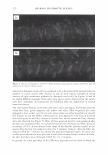
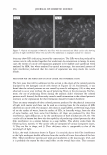
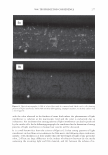
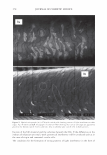
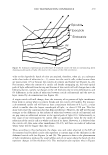
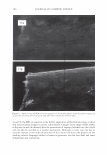
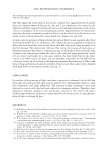
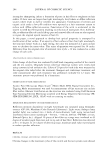
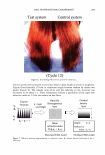
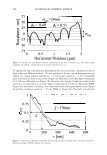
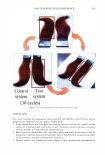
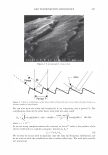
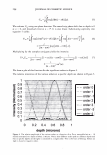
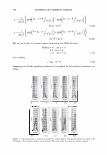
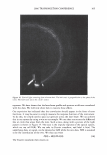
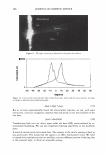
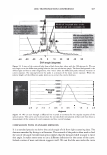
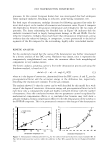
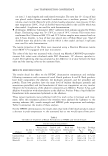
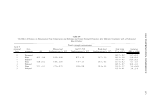
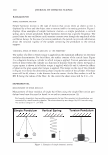
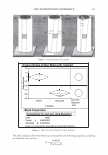
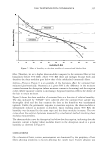
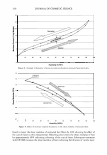
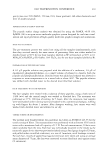
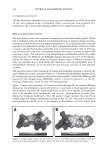
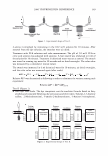
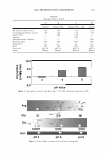
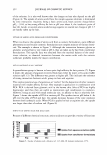
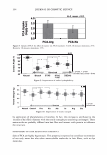
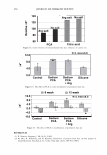
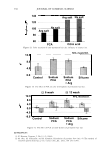
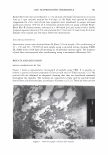
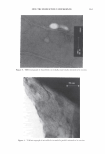
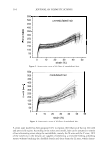
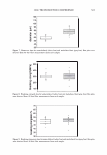
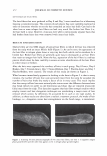
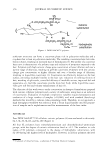
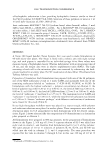
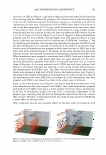
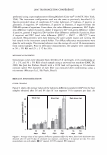
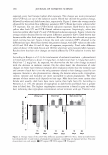
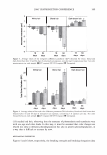
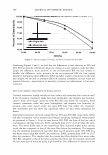
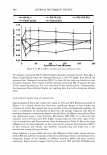
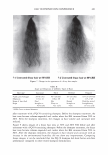
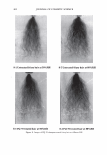
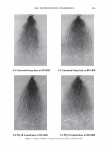
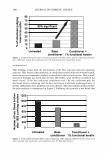
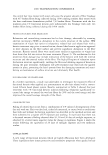
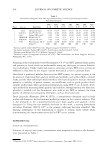
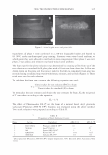
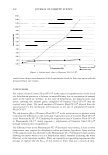
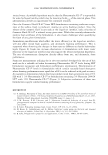
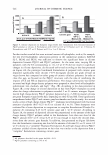
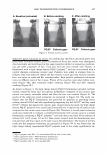
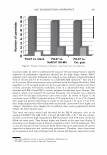
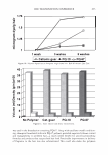
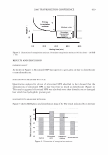
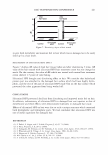
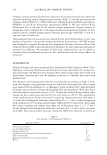
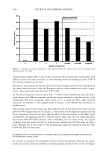
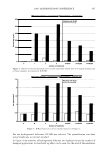
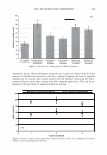
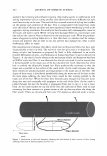
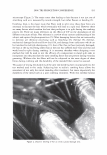
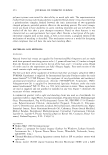
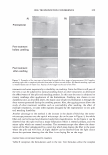
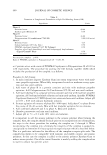
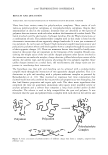
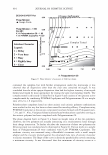
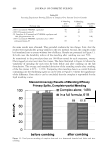
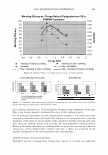
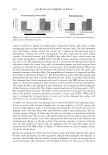
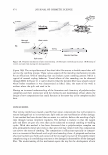
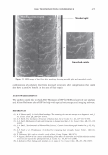
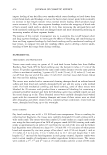
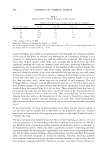
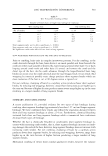
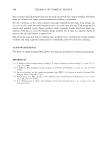
2006 TRI/PRINCETON CONFERENCE 333 effects of bleaching and the effects of subsequent cetyl trimethylammonium bromide treatment. Initially, the shear modulus of untreated hair fibers was measured and found to be in the range of 1 to 1.1 GPa. The same specimens were bleached (commercial product, 90 min.) and measured again. The shear modulus dropped to 0.6 to 0.7 GPa which is a 40% reduction indicating that the cuticle layer and the cortex was softened by the bleaching process. Subsequent treatment with CETAB (0.5%, 30 min., rinsed) resulted in the shear moduli increasing to 0.8 to 1.0 GPa which is midway between that of the Untreated and the Bleached fibers. The non-overlapping significance circles and the comparison table show that these differences are highly significant. The bleaching process oxidizes cystine by breaking disulfide bonds and creates cysteic acid groups both in the cuticle and the cortex. Breaking the disulfide bonds lowers the shear modulus of the fiber. However, it is important to note that the shear modulus of the fiber is dominated by the cortex because it contributes more to the volume of the fiber. The greater effect of CETAB in restoring the shear modulus comes from its ability to penetrate into the cortex of hair. This has been shown independently by mass spectroscopy methods (4). The penetrated CETAB molecules form salt linkages and hydrophobic bonds which act as secondary valence cross-links, thus fortifying the in- ternal structure of the endocuticular proteins in the cuticle and the keratin associated proteins in the cortex as shown in Figure 5. Bleaching + Polyquaternium-10 (PQ-10). Figure 6 shows the results for the effects of bleaching (commercial product, 90 min.) and the effects of subsequent polyquaternium- 10 (PQ-10) treatment (0.5%, 30 min., rinsed). The experimental design of this study was the same as the CETAB study. The shear moduli of the untreated (1 to 1.1 GPa) and bleached fibers (approximately 0.7 GPa) are similar to the CETAB study. The effect of subsequent treatment with PQ-10 is much different----0nly a slight increase in shear modulus to approximately 0.8 GPa. Other studies have shown that polyquaternium-10 INTERCELLULAR DIFFUSION .,. TRANSCELLULAR DIFFUSION �::::, ��-�/.'••:-...:. .❖:•: • • · • ••• .. •• , ......·• �7:,•: cu,I �- - ::� --...INTEIINCIIIFllllllllAII �- Figure 5. Possible mechanism of fortification via hydrophobic bonding.

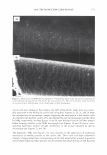
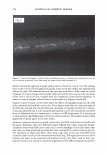
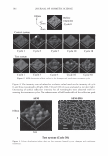
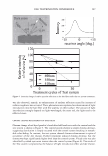
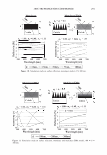
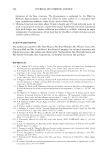
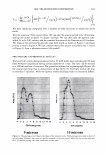
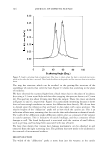
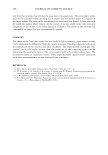
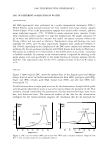
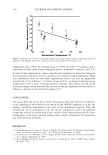
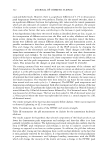
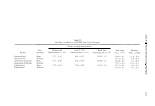
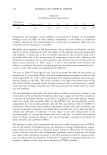
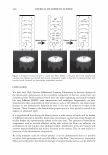
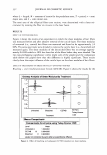
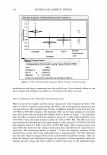
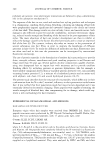
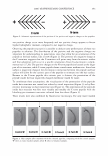
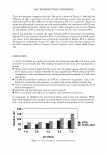
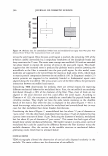
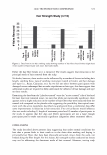
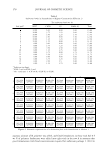
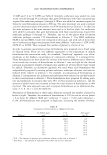
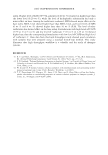
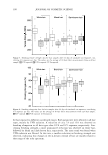
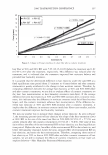
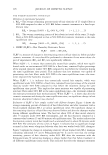
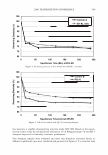
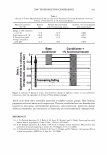
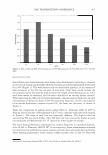
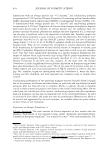
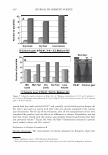
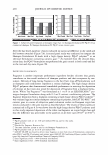
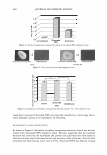
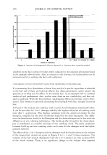
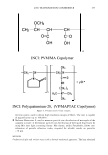
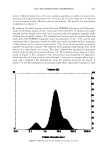
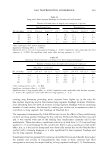
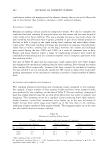
334 JOURNAL OF COSMETIC SCIENCE -- ~ - Oneway _ Analysis o!_Shear Modulus By Treatment 1.4 1.3- -..- 1.2- .. � 1.1- i- 1- ,:. ni 0.9- f I . . ...·-r -, ---.&!._ ma.a- . ': . - . _,.==-=- •• 0.7- - I' - -.• 0.6- i - : 0.5 0 8 I I Untreated Bleached PQ-10 All Pairs Treatment : M!�_ns Co�parisons ....... - -·-- - Tu key-Kramer 0.05 ! .. ·--·�-- __- ., ' -- : C��p��-�-�ns for al�_ p�irs _using Tukey-��-n:!.!r. I:!�� J Level Mean Untreated A 1.0606249 PQ-10 B 0.7924175 Bleached C 0.7211900 Levels not connected by same letter are significantly different. Figure 6. Effect of bleaching and subsequent PQ-10 treatment on shear modulus. molecules are too large to penetrate into the cuticle layer (4) and merely adhere to the outer surface and therefore, less effective in fortifying the fiber structure. EFFECT OF MOISTURE ON UNTREATED AND BLEACHED HAIR Water is one of the simplest and best known "plasticizer" which softens hair fibers. The effect of relative humidity surrounding the fibers, was investigated by measuring the torsional behavior after equilibrating the fiber at different humidity levels from less than 10% RH to 80% RH or higher. The humidity effect on the shear modulus of untreated hair (solid lines) and of bleached hair (dashed lines) is shown in Figure 7. For untreated hair, the effect is sizeable with shear moduli in excess of 1.5 GPa at low humidity levels (10% RH or less) and drops steadily to about 0.7 GPa at 90% RH. The effects are even more extreme for bleached hair with shear moduli in the vicinity of 2.0 GPa at 10% RH and dropping below 0.5 GPa in the 80% to 90% RH range. These responses were very rapid when the humidity was changed indicating that equilibration of single fibers is quite fast. The interesting feature in Figure 7 is that the Sorption isotherm of the bleached hair crosses that of the unbleached hair at approximately 55% RH. Bleached hair has more negative changes from cysteic acid formed by disulfide cleavage. They can form salt linkages with the positive charges in the protein. At low humidities these salt linkages become strong and their number is higher than those in the unbleached hair
Purchased for the exclusive use of nofirst nolast (unknown)
From: SCC Media Library & Resource Center (library.scconline.org)