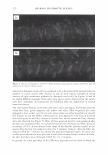
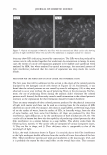
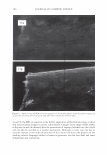
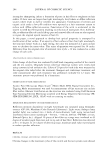
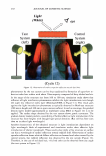
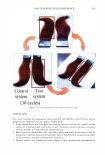
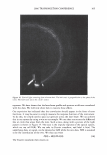
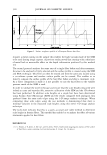
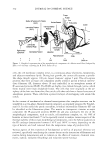
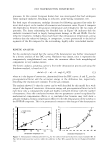
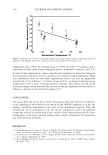
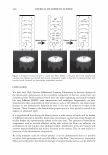
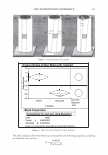
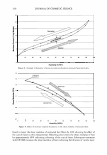
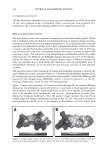
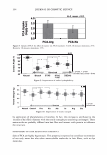
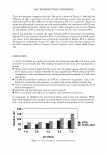
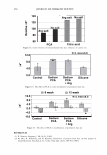
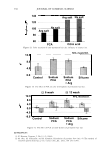
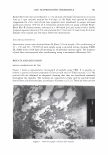
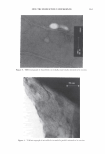
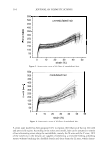
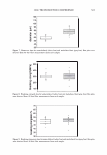
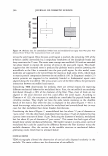
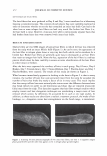
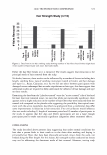
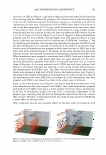
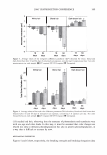
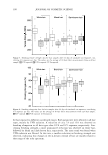
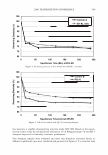
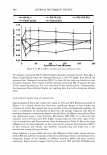
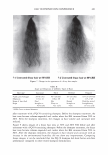
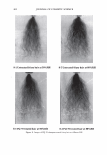
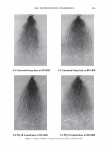
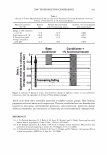
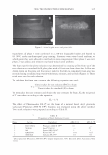
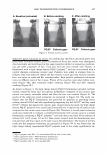
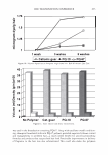
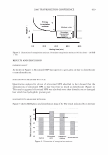
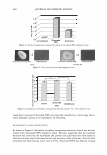
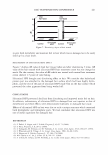
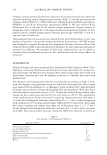
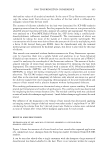
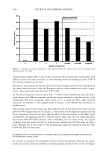
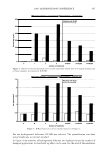
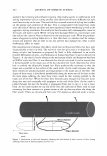
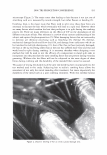
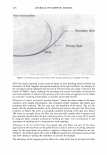
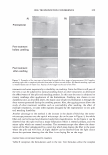
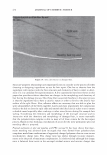
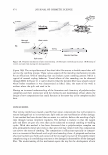
2006 TRI/PRINCETON CONFERENCE 337 Figure 10. Original torsion pendulum (left) and next generation torsion pendulum (right). PQ-10, on the other hand, has little effect most likely due to its inability to penetrate into the cuticle layer. Measuring the shear modulus as a function of humidity, changes showed an inverse relationship between humidity and shear modulus which was much more extreme with bleached hair than untreated hair. The shear modulus response to changing humidity was large and rapid indicating that moisture has a dominant effect on the cuticle layer and the cortex pf the fiber. ACKNOWLEDGMENTS The "Analysis and Quantification of Hair Damage" program was supported by a group of TRI corporate participants. We thank Mr. Carl Gorman and Mr. Peter Rockett for work on the original and next generation torsion pendulums (see Fig. 10 below). REFERENCES (1) D. Persaud and Y. Karnath, Torsional method for evaluating hair damage and performance of hair care ingredients,]. Cosmet. Sci., 55(Suppl), S65-S77 (2004). (2) H. Bogary, Torsional properties of hair in relation to permanent waving and setting, J. Soc. Cosmet. Chem., 18, 575-589 (1969). (3) L. J. Wolfram and L. Albrecht, Torsional behavior of human hair, J. Soc. Cosmet. Chem., 36, 87-99 (1985). (4) C.R. Robbins, Chemical and Physical Behavior of Human Hair, 3rd Ed., (Springer-Verlag, New York, 1994), pp. 189.

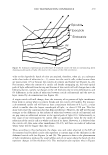
J. Cosmet. Sci.) 58, 339-346 CTuly/August 2007) Peptide structure: Its effect on penetration into human hair CARLA J. S. M. SILVA, ANDREIA VASCONCELOS, and ARTUR CAVACO-PAULO, Department of Textile Engineering, Minho University, 4800-058 Guimaraes, Portugal. Synopsis The influence of the peptide structure on its penetration inside hair was studied, together with the effect of hair bleaching (oxidation). For that reason, the outcome of positioning a charged sequence (KAKAK) either at the N or C terminal on hair penetration has been studied for peptides with 1 7 residues each. It was observed that the penetration of these peptides into hair was driven by electrostatic interactions, where the position of the charged group at the peptide structure was of major importance. The penetration was only achieved for damaged hair due to its higher negative charge at the membrane surface. It was also observed that the peptides were able to restore the original tensile strength of bleached hair. Consequently, the knowledge of hair surface properties is of extreme importance when designing peptides directed for hair treatment. INTRODUCTION The desire for products that improve the look and feel of hair has created a huge industry for hair care which is constantly in quest of new products and finishing treatments. Beauty care technology has advanced the cleaning, protection and restoration of desirable hair and skin properties by altering its surface. Therefore, the characterization of hair structure and the knowledge of physical and mechanical properties of hair are essential (1,2). Human hair is a fibrous tissue, comprised of keratin. The main morphological compo- nent is the fibrous cortex (about 80%) surrounded by the multicellular flat cuticle sheath (about 15 % ), with the additional feature of a central medulla for some types, especially coarser fibres. These main morphological components consist of distinct chemical con- stituents. In the amorphous cuticle, the outer exocuticle layer is composed mainly of high-sulphur proteins and is therefore rich in disulphide cross-link bonds, leading to its high mechanical properties (tough and resilient layer) and creating a trans-cellular barrier to the penetration of various compounds to the hair structure (3-6). Because of this, penetration of chemicals into hair occurs mainly through intercellular diffusion. Unaltered human hair has an isoelectric point near 3.67. Hence, under most pH con- ditions the surface of hair carries a negative charge. For this reason, most conditioning Address all correspondence to A. Cavaco-Paulo. 339
Purchased for the exclusive use of nofirst nolast (unknown)
From: SCC Media Library & Resource Center (library.scconline.org)