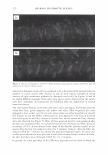
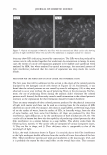
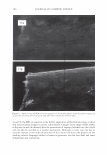
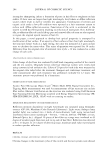
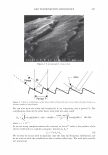
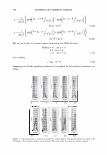
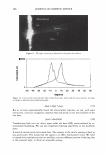
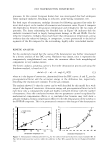
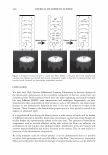
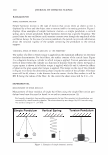
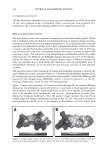
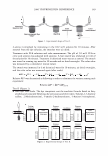
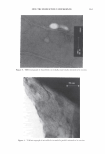
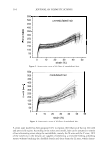
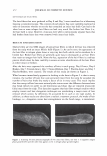
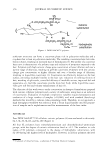
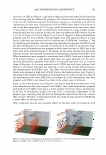
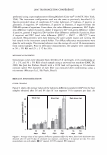
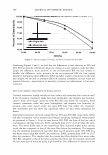
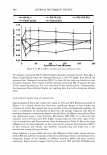
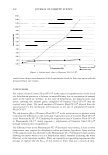
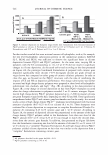
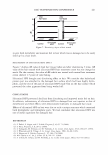
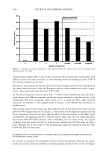
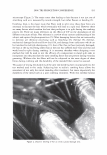
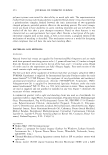
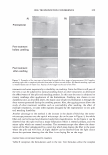
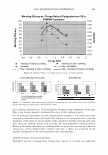
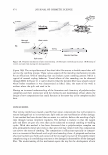
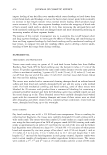
342 JOURNAL OF COSMETIC SCIENCE FLUORESCENCE MICROSCOPY The hair fibres were embedded into an epoxy resin and transversal cuts of the fibres with 10 µm were prepared using a microtome. Fibres cross-sections were analyzed by a transmission optic microscope (Olympus BH2) with a magnification of 40x. RES UL TS AND DISCUSSION The hair surface tends to be negatively charged at neutral and/or alkaline pHs. When hair is damaged, either by chemical or mechanical factors, its negative charge increases, increasing as well its friction and adhesion properties (7 ,8). In this particular study the peptides were formulated together with a lipid, phosphatidylcholine, which was added to attain a peptide formulation compatible with a water environment. Due to the large size of the Leucine side chain, the synthesized peptides tend to acquire an alpha helix structure in water. The interaction with phospholipids could further stabilize this alpha helix structure (17). However, the KAKAK sequence positioned at the C or N terminus, despite the large size of the amino acid Lysine, might induce a different structure for these two peptides, due to both charge and interaction with the hydrophobic parts of phospholipids. However, we do not know for sure the exact structure of these peptides in water. The peptide sequences were visualized by a molecular modelling program to identify the major differences in their structure (Figure 1). The molecular modelling program allows for creating the structure based on the amino acids sequence, which only differs in the position of the charged group (KAKAK), which is at the C-terminus or at the N- terminus, respectively, in the C-term or N-term peptides. Figure 1 shows the structures of C-term and N-term peptides in vacuum. Besides illustrating the amphipathic nature of the helix, it also shows a much narrower spatial distribution of the positively charged side chains in the C-term peptide. These peptides tend to be therefore both amphipathic and cationic. Amphipathicity increases their affinity for biological membranes, while the positive charge increases their specificity toward negatively charged membranes, as those of hair ( 1 7, 18). The total net charge of these peptides was found to be +3. Accordingly to Sharadadevi et al. (19), helices with Figure 1. Surface charge analysis for the C-term (A) and N-term (B) peptides, from PyMol v0.99. Red denotes the negatively charged C-terminus while blue denotes the positively charged side chains.

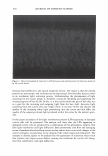
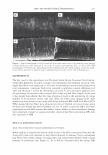
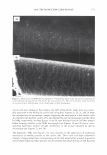
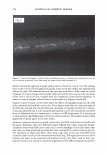
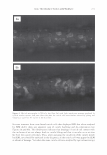
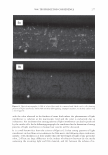
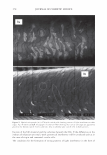
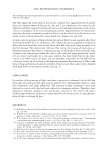
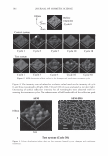
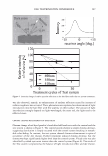
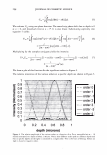
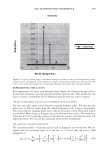
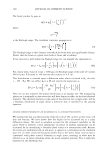
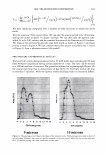
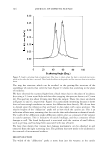
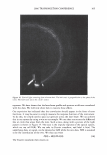
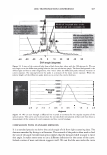
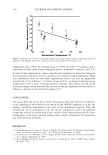
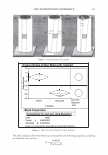
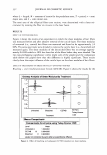
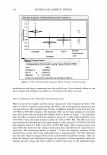
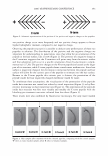
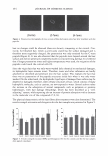
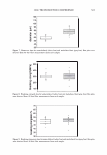
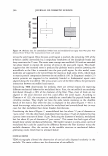
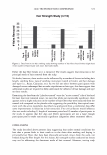
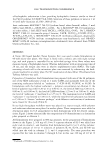
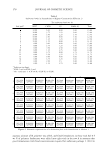
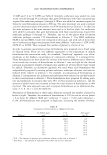
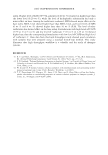
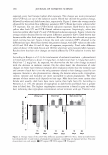
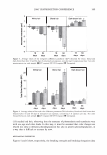
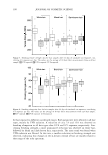
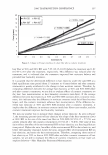
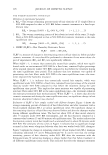
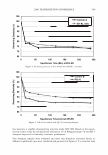
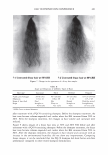
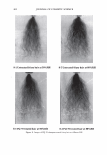
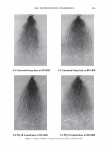
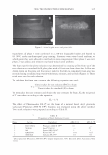
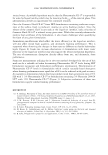
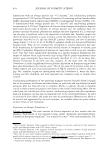
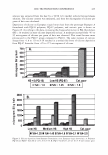
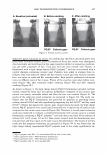
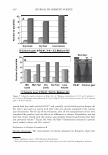
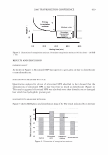
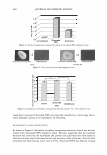
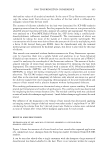
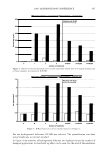
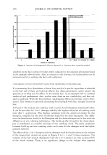
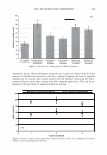
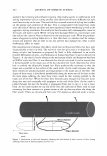
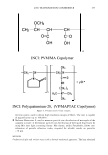
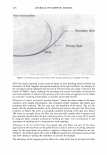
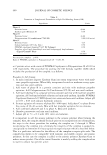
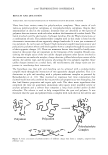
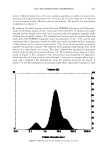
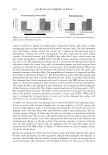
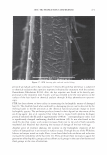
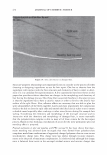
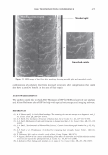
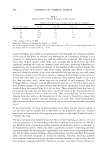
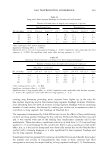
2006 TRI/PRINCETON CONFERENCE 343 + - C-tenn N-term Figure 2. Schematic representation of the position of the positive and negative charges on the peptides. net positive charge occur more frequently and net positive charge appears to favour higher hydrophobic moment, compared to net negative charge. Observing the peptide structure it is possible to deduce some performances of these two peptides in solution. The distribution of the positive and the negative charges are important for understanding its penetration, since they allow for an orientation of the peptide at the hair surface, like a screw (Figure 2). The presence of a negative charge at the C-terminus suggests that the C-terminus will point away from the anionic surface and that adsorption will occur in a specific orientation driven by electrostatic comple- mentarity' s (17 ,20). The positive charges on the N-term peptide are located at the larger part of its structure, while C-term peptide shows a much more uniform size. Since hair surface is negatively charged, the electrostatic interaction between the peptide and hair surface will allow for the cationic part of the peptide to orientate into the hair surface. Because in the C-term peptide this cationic part is thinner, the penetration of the peptide inside the hair negatively charged membrane would be easier. To corroborate these assumptions, the visualization of the penetration of the peptides inside hair structure was carried out either by visual inspection (Figure 3) or by fluo- rescence microscopy on hair transversal cuts (Figure 4). The penetration of the peptides inside hair structure was first seen visually and notably the C-term peptide with the bleaching pre-treatment was more coloured than the others (Figure 3). These results were also confirmed by fluorescence microscopy. For only water washed Control W Control B C-Term W C-Term B N-TermW N-Term B Figure 3. Hair samples after treatment with the coloured peptides, comparing with the control samples. W refers to water washed samples while B refers to bleached samples.
Purchased for the exclusive use of nofirst nolast (unknown)
From: SCC Media Library & Resource Center (library.scconline.org)