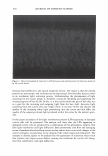
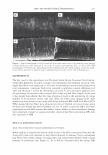
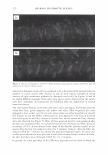
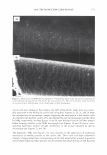
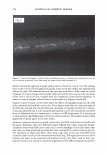
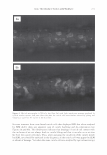
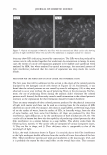
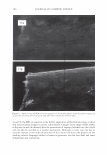
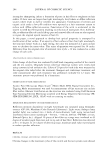
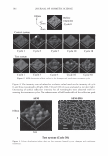
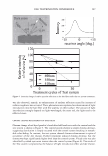
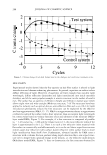
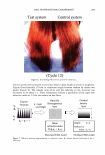
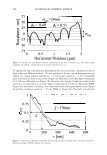
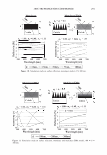
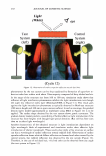
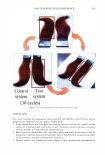
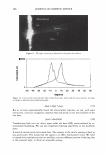
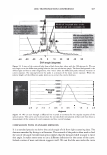
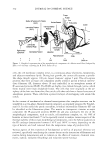
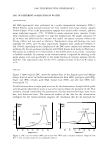
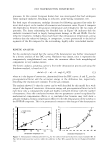
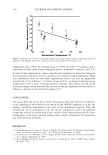
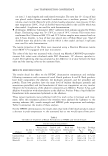
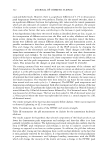
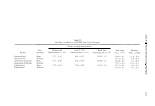
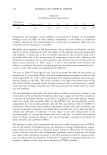
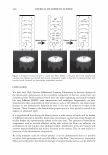
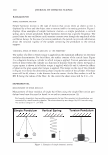
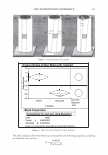
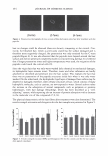
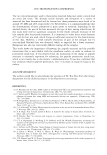
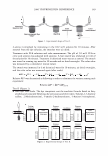
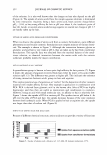
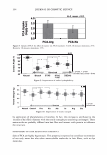
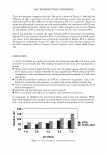
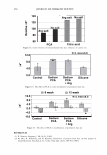
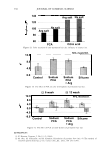
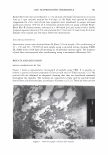
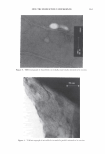
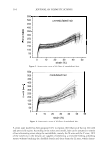
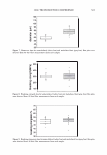
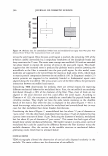
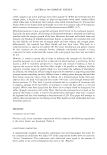
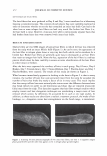
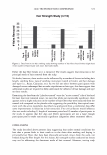
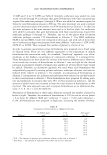
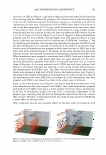
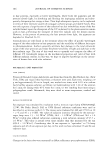
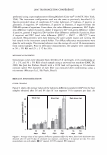
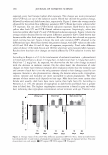
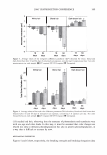
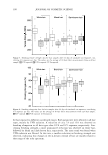
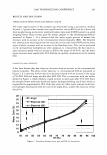
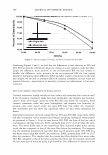
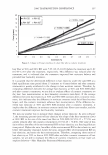
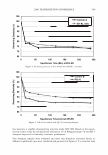
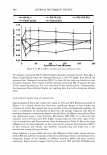
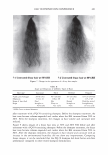
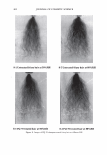
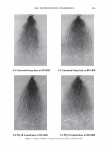
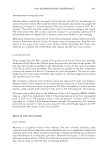
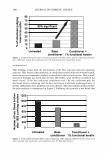
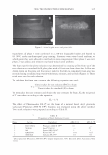
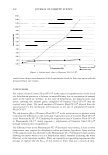
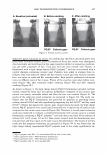
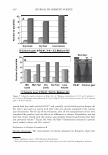
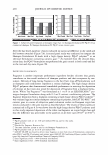
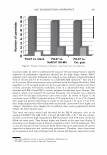
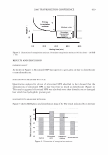
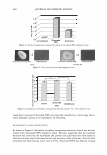
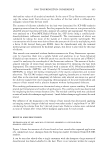
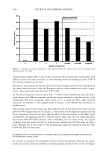
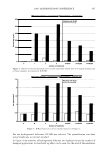
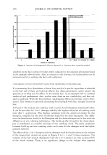
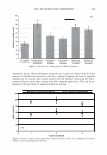
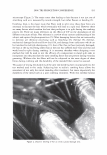
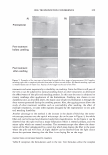
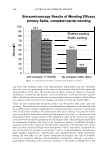
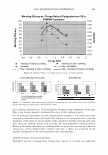
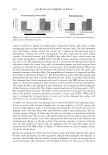
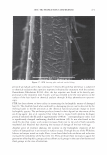
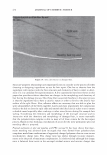
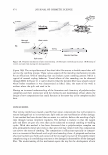
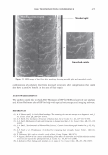
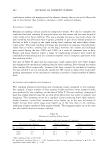
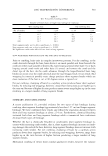
344 JOURNAL OF COSMETIC SCIENCE (Control) (C-Term) (N-Term) Figure 4. Flourescence micrographs of cross sections of bleached virgin white hair after treatment with the peptides. hair no changes could be observed (data not shown), comparing to the control. Con- trarily, for bleached hair, which as previously stated has the surface damaged and is therefore more negatively charged, the penetration was only attained for the C-term peptide (Figure 4). It was also observed that the peptides were layered around the hair surface and did not penetrate completely inside its structure (ring-dyeing). It is believed that if longer penetration times and higher temperatures were used, the migration of the peptides could reach the cortical cells (9). Since the virgin hair that was only water washed lacks chemical or mechanical damages, its hydrophobic layer remains intact. Therefore, water and other substances are hardly adsorbed (or desorbed) and penetrate into the hair surface. This explains the fact that there was no penetration of the peptide structures inside hair when it was only water washed. On the other hand, the hydrophobic lipid layer of damaged hair surface may be depleted or damaged therefore, inner cellular structures of hair, which consists of many hydrophilic molecules, such as cystines, are now exposed to water. Several authors relate the increase in the adsorption of several compounds, such as polymers or proteins hydrolysates, with hair damage (bleaching), which has been described as a "self- adjusting" system, while reporting also an increase of protein adsorption with a decrease in the molecular size of the com pounds (7, 9, 13). The physical characteristics of the hair fibres after treatment were also determined. The tensile strength resistance and elongation for the hair samples are presented in Figure 5. 250 70 l 200 150 cii C: 60 .2 50 40 "iii 100 30 20 50 10 Cont, W Cont, B C-tenn, W C-lenn. B N-tenn, W N-tenn, B Cont, W Cont, B C-lerm, W C-tenn, B N-term, W N-tenn, B Figure 5. Tensile strength resistance (MPa) and Elongation(%) for the controls and for the hair samples after peptide treatment.

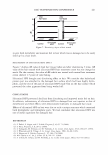
2006 TRI/PRINCETON CONFERENCE 345 The two typical parameters used to characterize materials behaviour under a tensile load are stress and strain. The ultimate tensile strength and elongation of a variety of materials has been determined and for human hair these parameters were found to be around 193 MPa and 40%, respectively (21). Nevertheless, it is common knowledge that the determination of these parameters is quite prone to variation, depending on the method chosen, the part of the hair measured, the type of hair, among other factors. In this study there were no significant variations for the tensile strength resistance of the hair samples after the peptide treatment. It is important to relate that a mean diameter of 75 µm for hair was used, which brings an additional variation for the determination of this data. However, a trend towards restoration of part of the strength lost by over-oxidized bleached hair was observed, which as expected has a lower resistance. Elongation was also not statistically different among all the samples. This study shows the importance of knowing the peptide structure and the possible interactions that it may exhibit with the membrane surface, in order to evaluate its penetration inside hair. It was observed that the localization of the charge at peptide structure is extremely important for enhancing the peptide penetration inside hair, which occurs mainly due to electrostatic complementarities. It was also confirmed that hair oxidation enhances peptide penetration, since it increases its negative charge at the surface. ACKNOWLEDGMENTS The authors would like to acknowledge the assistance of Dr. Rui Silva from the biology department for the skilled assistance in the fluorescence microscopy. REFERENCES (1) B. Bhushan and N. Chen, AFM studies of environmental effects on nanomechanical properties and cellular structure of human hair, Ultramicroscopy, 106, 755-764 (2006). (2) C. LaTorre and B. Bhushan, Investigation of scale effects and directionality dependence on friction and adhesion of human hair using AFM and macroscale friction test apparatus, Ultramicroscopy, 106, 720-734 (2006). (3) M. Feughelman, Introduction to the Physical Properties of Wool, Hair & Other C\'.-Keratin Fibres, in Mechanical Properties and Structure of Alpha-Keratin Fibres: Wool, Human Hair and Related Fibres (UNSW Press, (1997), pp 1-14). (4) J. A. Swift and J. R. Smith, Microscopical investigation on the epicuticle of mammalian keratin fibres, ]. Microscopy, 204, 203-211 (2001). (5) A. P. Negri, H.J. Cornell, and D. E. Rivett, A model for the surface of keratin fibers, Textile Res.]., 63(2), 109-115 (1993). (6) R. Dawber, Hair: Its structure and response to cosmetic preparations. Clinics in Dermatology, 14, 105-112 (1996). (7) S. T. A. Regismond, Y.-M. Heng, E. D. Goddard, and F. M. Winnik, Fluorescence microscopy ob- servation of the adsorption onto hair of a fluorescently labelled cationic cellulose either, Langmuir, 15, 3007-3010, (1999). (8) C. LaTorre and B. Bhushan, Nanotribological characterization of human hair and skin using atomic force microscopy, Ultramicroscopy, 105, 155-175 (2005). (9) A. Kelch, S. Wessel, T. Will, U. Hintze, R. Wepf, R. Wiesendanger, Penetration pathways of fluorescent dyes in human hair fibres investigated by scanning near-field optical microscopy, J. Microscopy, 200, 179-186 (2000). (10) J.M. Maxwell and M. G. Huson, Scanning probe microscopy examination of the surface properties of keratin fibres, Micron, 36, 127-136 (2005).
Purchased for the exclusive use of nofirst nolast (unknown)
From: SCC Media Library & Resource Center (library.scconline.org)